All Ways Organic Citrus Carpet & Upholstery Cleaning - Home
🇺🇸 Made in USA
🍋 Citrus Based
🌵 Eco-Friendly
Hours
Mon – Sat
7AM – 7PM
Book Online
Book
Online
📍 Serving the Greater Phoenix Valley
🕐 Mon – Sat  7AM – 7PM
👨‍👩‍👧‍👦 Family Owned & Operated
🇺🇸 Made in USA
🍋 Citrus Based
🌵 Eco-Friendly
Book Online
Loveseat Cleaning in Litchfield Park Arizona - All Ways Organic
Litchfield Park, Arizona

Litchfield Park AZ
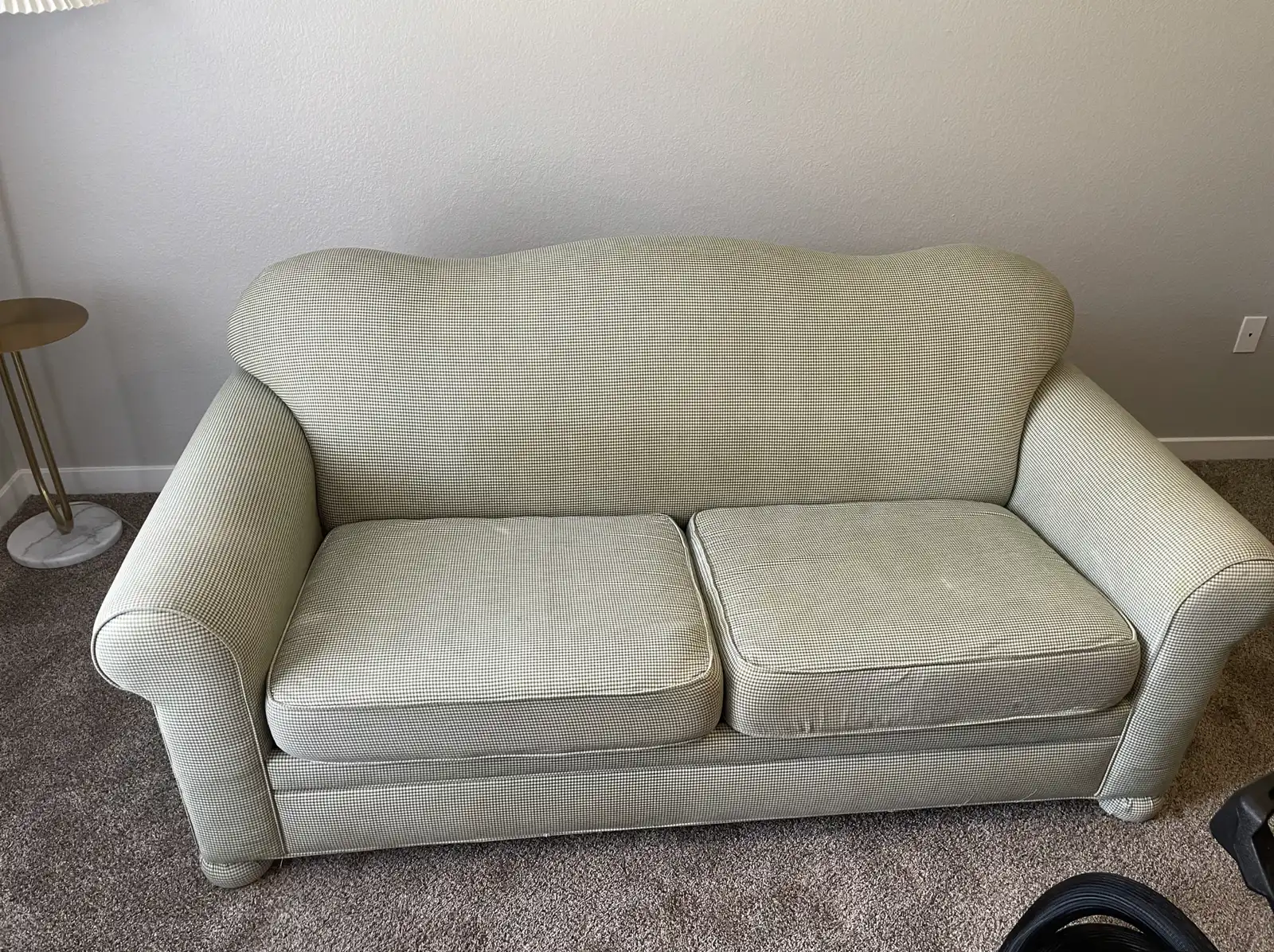
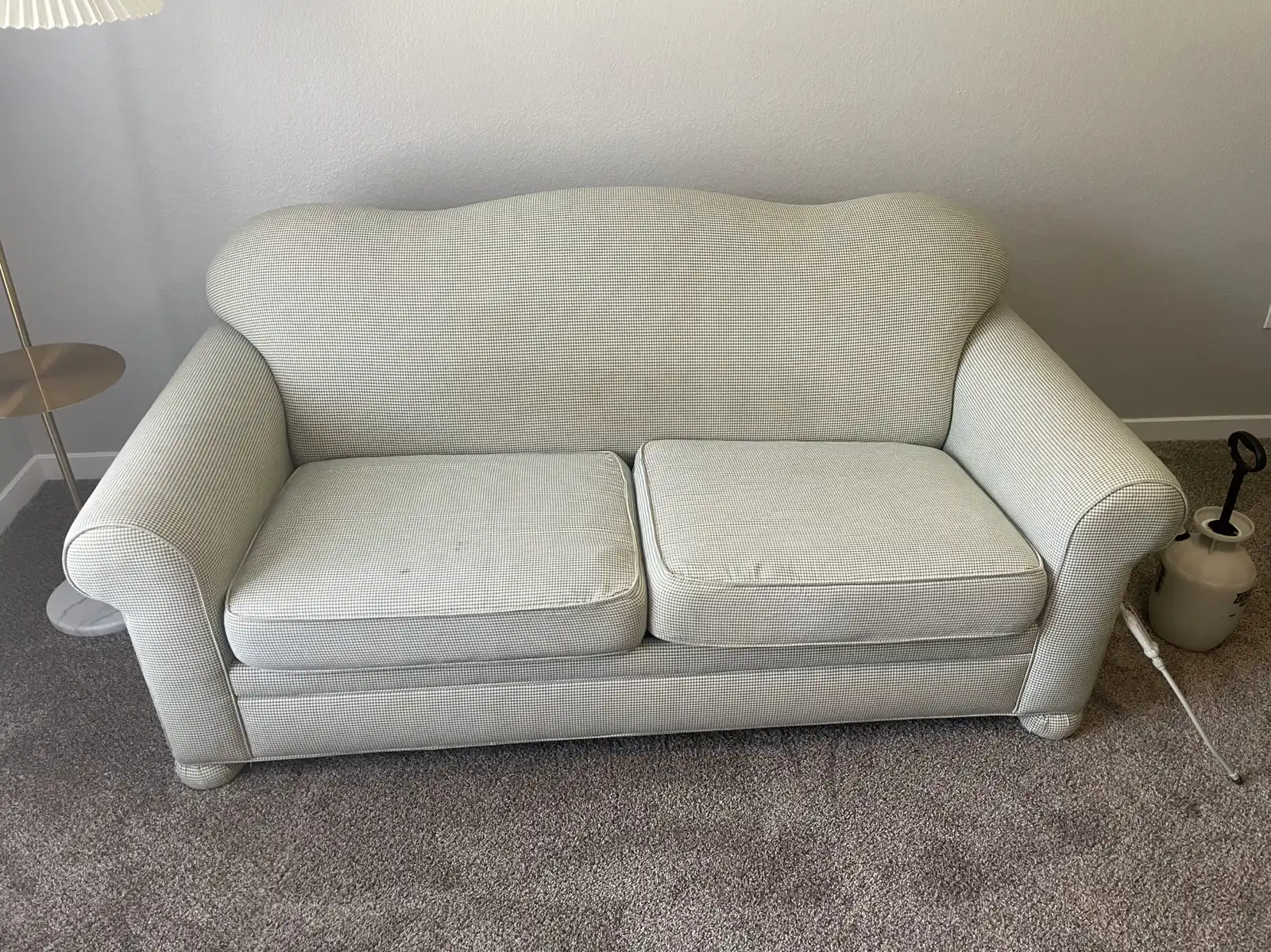
Loveseat Cleaning

Antique and delicate upholstery in Litchfield Park homes requires assessment before anyone touches it. Owner-operated organic cleaning with a calibrated approach for heirloom and aged pieces. Dry in about 1 hour.

Google
5.0 / 5.0
Google Reviews
Organic
100% Organic
Citrus-based products
Owner operated
Owner-Operated
Kyle shows up every time
Assessment first
Assessment First
Before anything is touched
No hidden fees
No Hidden Fees
Price quoted = price paid
Schedule Your Cleaning
Book Your Litchfield Park Loveseat Cleaning
Pick a date, build your clean, and confirm - takes about 60 seconds
1Date
/
2Build
/
3Book
Your Clean
$0

When works for you?

Pick a day and time. We'll handle the rest.

Build your clean

Tap a category, then add what you need.

Need commercial cleaning? Call (602) 429-9602 for a custom quote.

Confirm your cleaning

Almost there. Fill in your details and lock in your spot.

📅
Driveway parking available?
Tap any item above to adjust add-ons or remove it.

You're All Set!

Booking #

Confirmation sent to your email.

What to expect: I'm Kyle, the owner, and I'll be the one showing up. Carpets dry in about 1 hour. Your home will smell like fresh citrus. Safe for kids and pets immediately after cleaning.

Questions? Call or text (602) 429-9602

Need help?(602) 429-9602
SMS Consent: By providing your phone number when booking, you consent to receive appointment reminders and follow-up messages via SMS from All Ways Organic. Msg frequency varies. Msg & data rates may apply. Reply STOP to opt out at any time. Privacy Policy · Terms
Transparent Pricing

No Hidden Fees. No Surprises.

Priced per piece. Pre-cleaning assessment, dye stability testing, and fabric tension check are included at every appointment.

Loveseat
Loveseat
Standard or antique, any fabric
$75
Per piece
Book Now >
Sofa
Sofa
Seats up to 3 people
$125
Per piece
Book Now >
Sectional
Sectional
Seats 4+ people, cushions are not removable
$225
Per piece
Book Now >
Optional Upgrade Treatments
Available at checkout to customize your cleaning
Deodorizer
Deodorizer
Extra odor elimination for a deeper fresh
High Traffic
High Traffic
Targeted treatment for heavy-wear areas
Pet Treatment
Pet Treatment
Neutralizes pet odors at the source

Antique or delicate pieces requiring adjusted approach may be quoted above standard rate after assessment. Dry time approximately 60 to 90 minutes for most upholstered pieces.

What Our Customers Say

Real Reviews, Real Results

The assessment is not a formality. It is the part of the job that determines whether the cleaning helps or causes damage.

About This Service

Antique and Delicate Upholstery: Why Assessment Comes Before Everything Else

I want to start this page with a specific job, because it is the one that shaped how I think about delicate and antique upholstery in this city.

A client near the La Loma hill area had me clean their sectional and was happy with the result. A few weeks later they reached out again and asked if I could take a look at an antique chaise lounge they had in a sitting room off the main hallway. It was a beautiful piece, clearly old, with fabric that had a fragile quality to it even before you touched it. The kind of piece that has history in it, that belonged to someone before and has been in the family for long enough that nobody is quite sure when it was new.

I did a thorough assessment before touching anything. The fabric condition was delicate in a way that required adjusting the entire approach: lower agitation, more careful chemistry, less moisture than I would normally use even with the VLM method. When I started the extraction, what came out of that chaise was dark. Not slightly off-color the way upholstery extraction water usually looks after a standard cleaning job. Nearly black. Decades of embedded dust, skin cell accumulation, and ambient soil that had been sitting in the fiber base for years without anyone touching it. The fabric itself looked fine before the cleaning because that accumulation had built up so gradually that it was invisible to the eye. It was not invisible to the extraction.

That job reinforced something I already believed about antique and delicate upholstery: the assessment is not a formality. It is the part of the job that determines whether the cleaning helps or causes damage. And in Litchfield Park, where a meaningful number of homes have heirloom pieces, antique loveseats, and furniture that has been in the family for generations, that assessment conversation matters more than it does anywhere else I work.

Why It Matters
Four Things That Make Antique Upholstery Cleaning Different
Aged fabric
Aged Fiber Has Less Structural Strength
Natural fiber fabric loses tensile strength through oxidative degradation over decades. The same moisture, agitation, and extraction levels that work well on a newer piece can cause splitting at the weave, pile loss, or tearing on aged fiber that no longer has the same mechanical resilience.
Historic dyes
Historic Dyes Respond Unpredictably to Moisture
Early synthetic and natural dyes used before modern dye systems have less stable chemistry. A dye that has been stable in a piece for decades because it has been dry and undisturbed may behave very differently the first time moisture is applied during a cleaning process. Dye stability testing at multiple locations is required before any chemistry goes down.
Invisible accumulation
What Looks Fine Is Often Full of Decades of Soil
The antique chaise that produced nearly black extraction water looked fine from across the room. Fine particulate accumulates at the fiber base over decades without any surface visibility. The extraction result on a never-cleaned antique piece is almost always more significant than the homeowner expects from a piece that looked clean.
Know when to stop
Sometimes the Right Answer Is Not to Clean It
A piece that is too fragile for any cleaning process is not common, but it exists. Identifying it before starting is better than discovering it partway through. For pieces where cleaning carries unacceptable risk, textile conservation referral is the honest answer, and I will say so before anything starts.

What Happens to Fabric and Fiber Over Decades

Fabric ages, and what that means physically for a cleaning job changes every decision you make once the cleaning starts. Natural fiber fabric, which includes silk, wool, cotton, and linen, all common in antique and vintage upholstery, loses tensile strength over time through oxidative degradation. The same process that causes paper to yellow and become brittle over decades affects textile fiber in a similar way. A piece of fabric that was robust and resilient when it was new may be significantly more fragile after fifty or seventy years of use, light exposure, and the general chemical environment of indoor air.

The foam or stuffing inside aged upholstery also changes character over time. Early synthetic foam from the mid-20th century hardens and becomes crumbly with age. Traditional horsehair, cotton batting, and spring-based cushioning from older pieces compress permanently and lose their ability to support the fabric from beneath. This affects how cleaning forces interact with the piece because there is less structural support from below the fabric surface than in a newer piece with intact foam.

Historic fabric dyes, particularly from pieces made before the widespread adoption of modern synthetic dyes, have a different and often less stable chemistry than contemporary dye systems. Early synthetic dyes from the late 19th and early 20th centuries, and natural dyes used before that period, can respond unpredictably to moisture and cleaning chemistry in ways that modern upholstery dyes do not. A dye that has been stable in the piece for decades because it has been dry and undisturbed may behave very differently the first time it is wetted during a cleaning process.

The Assessment Process for a Delicate or Antique Piece

Every antique or delicate upholstery job in Litchfield Park starts the same way: I look at the piece carefully before I touch it, and I look at it again more carefully after the initial visual inspection. Fabric condition assessment starts with visual inspection in good light, looking for areas of thinning where the weave has degraded, splits or small tears along seams or folds where the fiber is most stressed, pile loss on velvet or cut-pile fabrics, and surface oxidation that shows as general dulling or slight discoloration. A raking light held at a low angle to the fabric surface reveals texture changes and thin areas that are not visible in normal room lighting.

After the visual inspection I do a gentle fabric tension test in an inconspicuous area, applying very light finger pressure to the fabric and observing how it responds. Intact, resilient fabric springs back from light pressure. Fabric that has lost significant tensile strength from age may show micro-splitting at the weave under even light pressure, or may feel papery and stiff rather than flexible. This test tells me more about the true structural condition of the fabric than the visual inspection alone.

Dye stability testing on antique upholstery is more extensive than on a standard piece. I test in multiple locations across the fabric, including different color zones if the piece has multiple colors or a pattern, because dye chemistry can vary significantly across a single antique piece. The test involves applying a small amount of water or very dilute cleaning chemistry to a hidden area, pressing a white cloth against it, and observing whether any color transfers. A piece that shows no dye transfer in initial testing may still show transfer when full cleaning chemistry is applied, which is why the testing is done with progressively stronger chemistry to find the boundary of dye stability before committing to the cleaning approach.

Signs an Antique or Heirloom Piece Is Ready for Assessment

Antique upholstery rarely looks dramatically dirty even when it carries decades of embedded soil. These are the signals worth paying attention to:

  • The fabric color looks subtly flat or less saturated than older photos of the piece show
  • The piece has a faint musty or dusty smell that is not from any obvious source
  • The fabric surface feels slightly rough or papery in texture compared to what natural fiber should feel like
  • The piece has never been professionally cleaned in living memory

If the piece is in regular use in a sitting room or as a design element in a home, the embedded accumulation is doing slow ongoing damage to the fiber it is sitting in contact with. Removing it through a careful cleaning is better for the long-term preservation of the piece than leaving it in place.

What Decades of Embedded Dust Looks Like When It Comes Out

The antique chaise lounge near La Loma Village is the most vivid example I have of why the extraction result on a never-cleaned antique piece is so different from what you see on a regularly maintained contemporary piece. The fabric on that chaise looked fine to the eye before I started. It was not visibly dirty. It did not smell strongly. From the doorway of the room it appeared to be a well-maintained antique piece in a home that was clearly well kept. Nothing about the visual presentation suggested that what was about to come out of it would be nearly black.

What the visual inspection does not show is the accumulation in the fiber base. Dust settles into upholstery fabric continuously, but most of it is so fine that it is invisible on the surface of the pile. Over months it works its way down through the fiber structure toward the base of the weave. Over years, decades in the case of an antique piece, the accumulation at the base of the fiber becomes a dense, compacted layer of fine particulate, skin cell material, ambient airborne debris, and whatever else has been in the air of that room for the life of the piece. All of it invisible from the surface.

When extraction pulls moisture through that accumulated layer for the first time, it comes out dark because there is simply a very large quantity of material suspended in the extraction fluid. The piece looked better after cleaning, not dramatically transformed in the way a stained contemporary piece looks after a stain is removed, but clearer, slightly brighter in color, with a fabric surface that had less of the subtle dulling that accumulated fine particulate produces. And it was cleaner in the way that matters for the health of the fiber and the long-term preservation of the piece.

The Adjusted Cleaning Approach for Fragile and Aged Fabric

The cleaning process for a delicate or antique loveseat or upholstered piece is not a shorter version of the standard process. It is a different process that substitutes chemistry dwell time for mechanical agitation wherever possible, because chemistry can dissolve soil without stressing the fiber while mechanical agitation cannot be calibrated finely enough to be completely safe on very fragile material.

Moisture application is more controlled than in a standard cleaning. The VLM method is already lower-moisture than steam or hot water extraction, which is one reason it is more appropriate for delicate upholstery than those methods. For antique fabric specifically, even lower moisture application than the standard VLM approach is often the right call. Chemistry dwell time is longer than in a standard cleaning, allowing the solution to work into the fiber for an extended period before any agitation or extraction begins.

Agitation, when it is used at all on very fragile fabric, is the lightest possible mechanical action. A soft natural bristle brush used with minimal pressure, working with the grain of the fabric rather than against it, is the maximum appropriate agitation for fabric that the tension test has shown to be significantly fragile. In some cases on the most delicate historic fabric, no agitation is used at all and the chemistry dwell plus careful extraction does the entire work. Extraction pressure is also adjusted downward, because high suction can stress the weave on aged fabric and cause micro-tearing that shows up later as accelerated deterioration of the fabric structure.

The Old Litchfield Ranch Homes and Where These Pieces Actually Live

The older ranch homes throughout the Old Litchfield area are where this type of cleaning job is most concentrated in this city. These are homes from the 1950s through the 1970s, with larger lots, that have been in the same family for decades in some cases or purchased by buyers who appreciate the character and history of the original construction. The furnishings in some of these homes have the same history as the houses themselves.

A loveseat or a small upholstered settee that was in the living room of an Old Litchfield ranch home in 1965 and is still there today has been in use for sixty years. It has absorbed decades of ambient dust from a home that predates modern HVAC filtration standards. The fabric may have been re-covered once or twice or may be original. All of this history is relevant to the assessment before a cleaning because it affects what the cleaning is actually encountering. Original fabric from the 1960s has different tensile strength, different dye chemistry, and different structural support than a recovered piece from ten years ago.

The newer custom homes near The Wigwam and the Spanish-stucco builds throughout the incorporated city sometimes have antique or heirloom pieces placed in them as design elements: a family piece in a formal sitting room, an inherited loveseat in a guest bedroom, a vintage armchair that does not match the contemporary aesthetic of the rest of the house but stays because of what it means to the family. These pieces have the same cleaning considerations regardless of what kind of home they are in. The age of the fabric and the structural condition of the piece are what determine the approach, not the age of the building around it.

Caring for Antique and Delicate Upholstery Between Professional Cleanings

The most important ongoing maintenance for antique upholstery is avoiding moisture. Any spill on a fragile or historic piece should be blotted immediately and gently with a dry cloth, pressing rather than rubbing, to absorb as much liquid as possible before it penetrates into already fragile fiber. Do not apply any consumer cleaning product to an antique piece without knowing specifically how that chemistry interacts with the fabric and dye. The damage that the wrong product does to historic dyes or fragile fiber is often immediate and irreversible.

Regular dry vacuuming with the lowest suction setting and a soft upholstery attachment removes the loose surface layer of dust and fine particulate before it works its way into the fiber base. A monthly light vacuuming with appropriate tools and settings keeps the surface layer managed and reduces the accumulation rate in the fiber body over time. A high-suction beater bar attachment on antique fabric causes damage. A low-suction soft brush attachment used gently is appropriate.

Light exposure is the other major ongoing consideration. UV degradation of historic fabric dyes and oxidative degradation of aged natural fiber both accelerate with light exposure. Placing antique or delicate pieces away from direct window light, or using UV-filtering window film in rooms where that is not possible, significantly slows the rate of further fabric degradation. Professional cleaning for an antique or delicate piece on a longer interval than contemporary upholstery is appropriate, because the cleaning process itself is not without some stress to fragile fabric. Every two to three years is a reasonable interval for a piece in regular use in a Litchfield Park sitting room, unless a specific soil event requires attention sooner.

Learn more about our loveseat cleaning, or explore other cleaning services we offer in Litchfield Park.

Common Questions

FAQs About Litchfield Park Loveseat Cleaning

It depends on the current condition of the fabric, and that is exactly what the pre-cleaning assessment determines. Antique fabric that is in reasonable structural condition, meaning the weave is intact, the fiber has not become brittle or papery, and the dyes test as stable, can be cleaned safely with a calibrated low-agitation approach. Fabric that has become very fragile or shows active deterioration may not be safe to clean without risking damage, and in those cases I will tell you before starting. The assessment exists specifically to answer this question for your specific piece before anything is committed to.

The pre-cleaning assessment and the dye stability testing are the steps that answer this before the cleaning begins. The tension test on the fabric tells me whether the fiber has the structural integrity to tolerate the cleaning process. The dye testing tells me how the fabric will respond to cleaning chemistry. If either of those tests indicates that the cleaning carries unacceptable risk for the piece, I will say so and we can discuss alternatives rather than proceeding. I have stopped assessments and not taken jobs when the piece condition indicated that cleaning was likely to cause more damage than it resolved.

Yes, for the same reason the antique chaise lounge near La Loma Village was worth cleaning even though it looked fine from across the room. Fine-particle dust and ambient soil accumulate in upholstery fiber continuously and build up in the base of the fabric over decades in a way that is completely invisible at the surface. That accumulated material is doing slow, ongoing damage to the fiber it is sitting in contact with, and removing it through a careful professional cleaning is better for the long-term preservation of the piece than leaving it in place. The extraction result in those situations is often surprising in how much comes out of a piece that looked clean.

Yes, and those are some of the more interesting jobs I do in this city. The Old Litchfield ranch homes from the 1950s through 1970s sometimes have furniture with the same history as the house itself, and cleaning those pieces requires taking the time to understand what you are actually dealing with before touching anything. The approach is slower and more deliberate than a standard upholstery cleaning job, but the result on a never-cleaned antique piece in good structural condition is worthwhile.

Thin or worn areas require specific handling during the cleaning to avoid causing further damage. During the assessment I identify any areas of thinning, pile loss, or structural weakness and map those areas before the cleaning starts. Those zones are treated with a lighter touch during the cleaning process, either with reduced agitation or with no mechanical action at all, relying on chemistry dwell and gentle extraction only. The thin areas will still be thin after the cleaning because cleaning does not repair structural wear, but they should not be worse from the cleaning if the approach accounts for them correctly.

This depends on the age, monetary value, and condition of the piece, and also on what outcome you need. Professional cleaning is appropriate for pieces that are in regular use in a home and need to be functional and clean, even if they are antique or delicate. Textile conservation is appropriate for pieces that are very valuable monetarily or historically, that are too fragile for any cleaning process, or that need structural repair and stabilization beyond what cleaning provides. I am happy to help you think through which is the right path for your specific piece during the assessment conversation, and to refer you to textile specialists for pieces where conservation is the better choice.

Steam cleaning uses significantly more moisture and heat than VLM cleaning. Both moisture and heat are risk factors for aged natural fiber upholstery. Excess moisture in aged fabric can cause dye bleeding in unstable historic dyes, can stress fiber that has lost tensile strength from long-term degradation, and can cause browning in natural fiber if the piece dries slowly at the base. Heat accelerates all of these risks. The VLM method applies a fraction of the moisture that steam cleaning does, uses no heat in the cleaning process, and achieves extraction through chemistry and mechanical action rather than thermal action. For antique and delicate upholstery, this is a meaningfully safer approach.

Musty odor in antique upholstery almost always comes from one of two sources: the accumulated organic material in the fiber base that is slowly decomposing, or moisture history in the foam or batting below the fabric. Cleaning addresses the first source very effectively, because removing the accumulated soil removes the material that is producing the odor. If the odor source is in the foam or batting below the fabric, surface cleaning does not reach it and the smell returns after the fabric-level cleaning dissipates. The assessment includes pressing on the piece and checking whether the odor intensifies near the cushion seams or deep in the body of the piece, which indicates a subsurface source. If that is the case, I will tell you before we start what cleaning will and will not accomplish for the odor component.

Ready to Care for Your Heirloom Piece?
Free assessment before anything starts - No hidden fees - Pay after you're happy
What Our Customers Say

Real Reviews, Real Results

All Litchfield Park Services
What We Clean in Litchfield Park
All 14
Carpet
Upholstery
Area Rugs
Tile & Commercial
Decorative desert cactus illustration