All Ways Organic Citrus Carpet & Upholstery Cleaning - Home
🇺🇸 Made in USA
🍋 Citrus Based
🌵 Eco-Friendly
Hours
Mon – Sat
7AM – 7PM
Book Online
Book
Online
📍 Serving the Greater Phoenix Valley
🕐 Mon – Sat  7AM – 7PM
👨‍👩‍👧‍👦 Family Owned & Operated
🇺🇸 Made in USA
🍋 Citrus Based
🌵 Eco-Friendly
Book Online
Oriental Rug Cleaning in Goodyear Arizona - All Ways Organic
Goodyear, Arizona

Goodyear AZ
Oriental Rug Cleaning

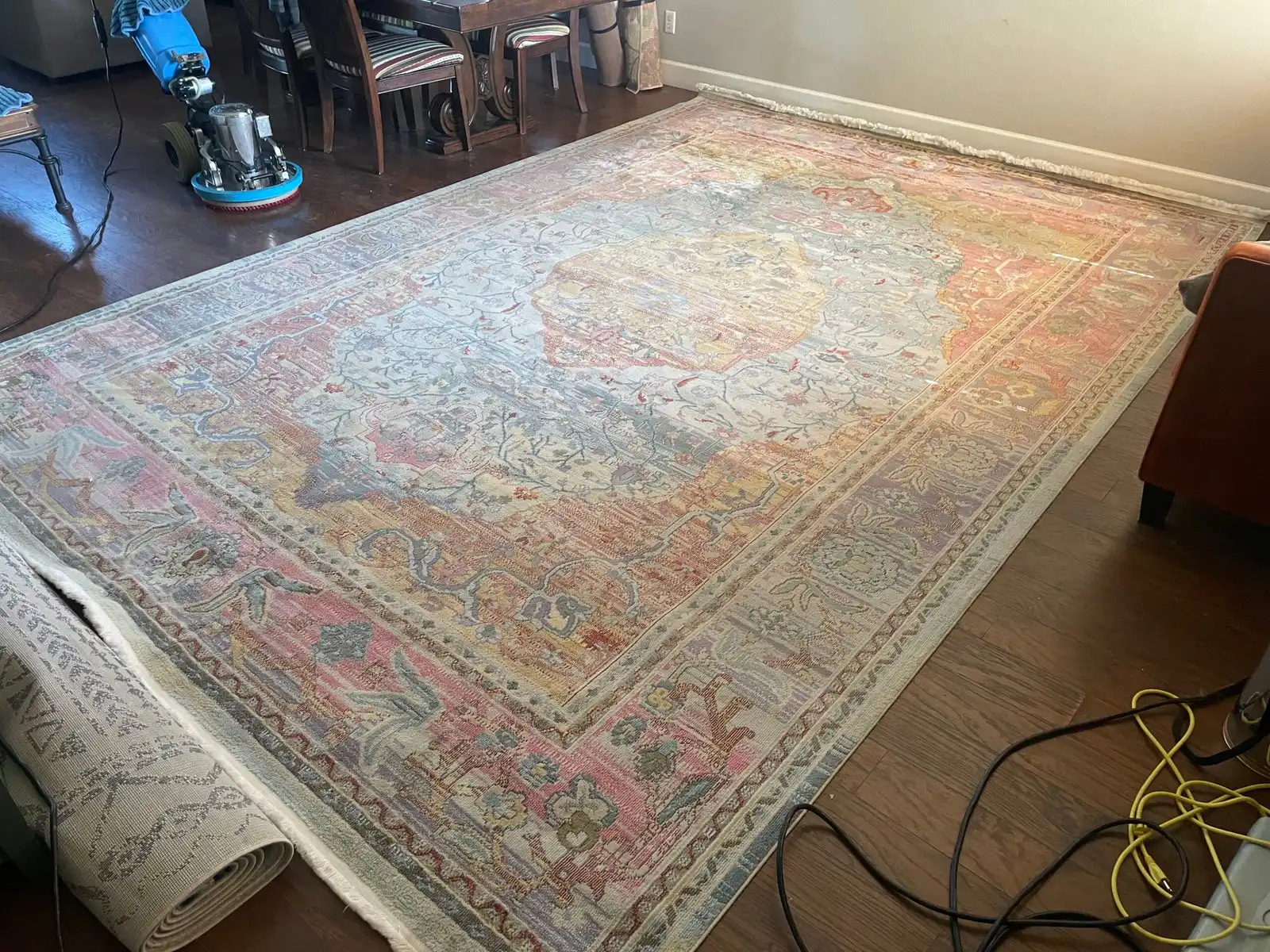
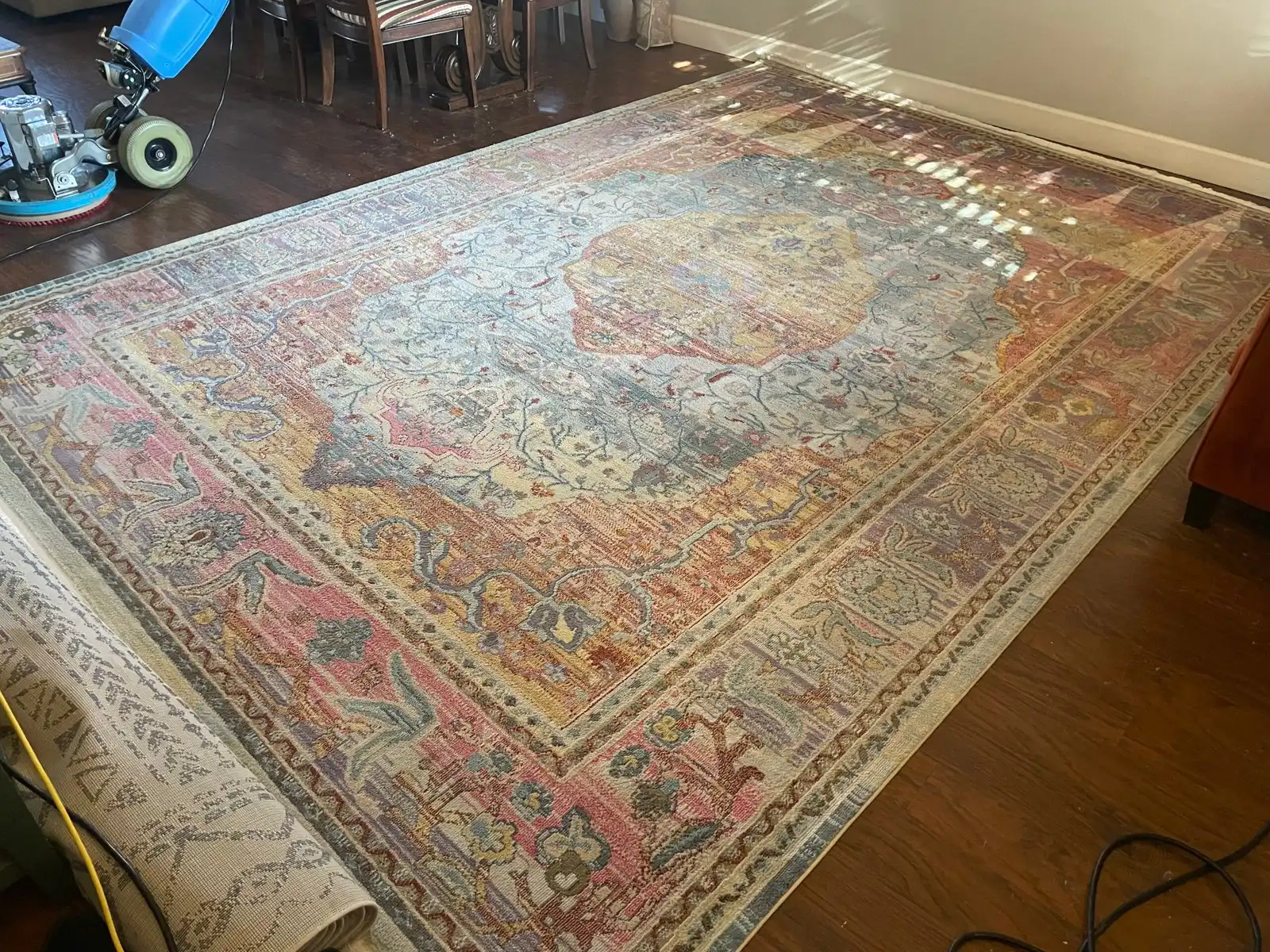
When pet urine reaches an oriental rug, the response has to be different from carpet urine treatment. The natural fiber foundation absorbs and wicks differently, the natural dyes are pH-sensitive in ways synthetic fibers are not, and the alkaline shift from aging urine can permanently change color in handmade rugs. Assessment before treatment determines the outcome. Serving Canyon Trails, Cottonflower, Estrella Mountain Ranch, and all Goodyear neighborhoods.

Google
5.0 / 5.0
Google Reviews
Organic
100% Organic
Citrus-based products
Owner operated
Owner-Operated
Kyle shows up every time
Quick dry
〜1 Hour Dry Time
Low-moisture process
No hidden fees
No Hidden Fees
Price quoted = price paid
Schedule Your Cleaning
Book Your Goodyear Oriental Rug Cleaning
Pick a date, build your clean, and confirm - takes about 60 seconds
1Date
/
2Build
/
3Book
Your Clean
$0

When works for you?

Pick a day and time. We'll handle the rest.

Build your clean

Tap a category, then add what you need.

Need commercial cleaning? Call (602) 429-9602 for a custom quote.

Confirm your cleaning

Almost there. Fill in your details and lock in your spot.

📅
Driveway parking available?
Tap any item above to adjust add-ons or remove it.

You're All Set!

Booking #

Confirmation sent to your email.

What to expect: I'm Kyle, the owner, and I'll be the one showing up. Carpets dry in about 1 hour. Your home will smell like fresh citrus. Safe for kids and pets immediately after cleaning.

Questions? Call or text (602) 429-9602

Need help?(602) 429-9602
SMS Consent: By providing your phone number when booking, you consent to receive appointment reminders and follow-up messages via SMS from All Ways Organic. Msg frequency varies. Msg & data rates may apply. Reply STOP to opt out at any time. Privacy Policy · Terms
Transparent Pricing

No Hidden Fees. No Surprises.

The price you see is the price you pay. UV contamination mapping, pH stabilization, wool-safe enzyme treatment, and post-drying UV inspection are included at every urine treatment appointment.

Standard Rug
Standard Rug
Any standard area rug, all fiber types
$55
per rug
Book Now >
Wool Rug
Wool Rug
Natural wool fiber, dye-safe chemistry
$100
per rug
Book Now >
Oriental Rug
Oriental Rug
Handmade or machine-made, full assessment
$135
per rug
Book Now >
Optional Upgrade Treatments
Available at checkout to customize your cleaning
Deodorizer
Deodorizer
Extra odor elimination for a deeper fresh
High Traffic
High Traffic
Targeted treatment for heavy-wear zones
Pet Treatment
Pet Treatment
Neutralizes pet odors at the source
What Our Customers Say

Real Reviews, Real Results

"The alkaline shift from aging urine begins within 12 to 24 hours in Goodyear's warm home environment. That is the window between a treatable incident and a potentially permanent dye change."

About This Service

Why Pet Urine on Oriental Rugs Requires a Different Treatment Than Carpet Urine

Dogs are a fixture in Goodyear households. Throughout Canyon Trails, Cottonflower, Estrella Mountain Ranch, and the communities along Estrella Pkwy, a large proportion of the homes I service have at least one dog, and many have two or more. Oriental rugs and dogs can coexist in the same home for years without incident. But when a pet urine event reaches an oriental rug, the response has to be different from the response to carpet urine or sofa urine, because an oriental rug is constructed from materials that react to urine in ways that carpet and upholstery do not.

The natural fiber foundation threads of a handmade oriental rug absorb and hold urine differently from the synthetic backing of a wall-to-wall carpet. The natural and semi-synthetic dyes used in oriental rugs are sensitive to the pH changes that urine creates in the fiber. And the pH shift from fresh to aged urine moves in a direction that is particularly damaging to the dye bonds of natural-dyed rugs. Getting the assessment right before any treatment begins determines whether a pet urine event on an oriental rug is a fully resolved incident or a permanently damaged piece.

I'm Kyle, and this page is specifically about pet urine on oriental rugs in Goodyear households: what happens when urine contacts these rugs and what the treatment process looks like when it is done correctly.

Why the Construction Matters
Four Ways Oriental Rugs React to Urine Differently From Carpet
Foundation absorption
Open Foundation Allows Deeper Penetration
A handmade oriental rug sits on warp and weft foundation threads of cotton or wool: natural fibers that are significantly more absorbent than synthetic carpet backing. Urine that reaches the foundation passes between and through these threads rather than being stopped at a solid backing layer. It distributes laterally through the foundation by capillary action, spreading horizontally beyond the original penetration point. The contamination zone in the foundation is typically larger in area than the visible surface stain above it.
Fringe pathway
Fringe Creates a Specific Contamination Pathway
The fringe of an oriental rug consists of exposed warp threads at the rug ends: the same foundation threads that run through the full rug length. Urine that reaches the rug near an end can wick along these warp threads into the fringe zone, where the exposed natural fiber threads absorb and concentrate the contamination. Urine-contaminated fringe develops the characteristic yellow-brown discoloration and persistent odor of urine-saturated natural fiber that requires specific gentle handling during treatment.
pH and dye
Natural Dyes Are Vulnerable to the pH Shift of Aging Urine
Fresh pet urine is slightly acidic. As urine ages, bacteria metabolize the organic compounds and produce ammonia, shifting the pH toward strongly alkaline. Natural dyes bonded to wool pile through mordant-metal bridges are stable in neutral to acidic conditions but vulnerable under alkaline conditions. The progressive pH shift of aging urine passes directly through the range where natural dye bonds are most at risk. The result is color change at the contamination zone that may be permanent if treatment is delayed.
Treatment sequence
pH Stabilization Must Come Before Enzyme Treatment
Applying enzyme treatment to an alkaline urine environment without first stabilizing the pH extends the dye-damaging alkaline conditions through the duration of the enzyme dwell. A mild acid rinse as the first treatment step brings the contamination zone back from the alkaline ammonia environment toward neutral, interrupting the dye bond stress before enzyme chemistry addresses the uric acid crystals and protein compounds. The sequence matters: stabilize first, then treat.

UV Inspection: The Most Important Pre-Treatment Step

The pre-treatment assessment for pet urine on an oriental rug must map the full contamination extent before any chemistry is applied. UV inspection with a black light in a darkened room reveals urine contamination that is invisible in normal light. Fresh urine glows blue-white under UV; aged urine produces a yellow-green fluorescence. The UV inspection is performed from both the pile surface side and, where accessible, from the foundation side by lifting the rug and examining the foundation threads directly. Viewing from the pile side maps the surface contamination. Viewing from the foundation side maps the lateral wicking extent that may not be visible from above.

The foundation UV inspection frequently reveals contamination that is larger in area than the surface stain. A surface stain of six inches in diameter may correspond to a foundation contamination zone of twelve or more inches if the lateral wicking through the foundation threads has distributed the urine widely. Treating only the surface stain zone while the foundation contamination extends significantly beyond it allows the continuing pH shift in the untreated foundation to drive ongoing dye damage outside the treated area. Fringe inspection is a specific UV assessment step for urine events near rug ends, checking whether wicking has carried contamination from the pile zone into the exposed fringe threads.

The UV contamination map also distinguishes current urine contamination from historical contamination that may have been treated previously. Multiple contamination events at different locations on the rug are identified separately and treated individually. The UV map guides the treatment zone boundaries: the full foundation contamination zone must be treated, not just the surface stain visible without UV inspection.

The Treatment Sequence in Practice

Dye testing at the contamination zone perimeter and at adjacent clean pile confirms that the mild acid of the pH stabilization step is safe for the specific dye system before the full treatment is applied. pH stabilization is then applied to the full contamination zone, covering both the surface stain area and the foundation wicking extent identified by UV inspection. The mild acid rinse is worked gently through the pile with a soft brush: no scrubbing, no mechanical agitation that would stress the natural fiber.

Wool-safe enzyme solution with protease enzymes for urine protein compounds is applied to the full UV-mapped contamination zone at extended dwell time: 20 to 30 minutes at minimum for the enzyme to penetrate the foundation fiber depth and contact the uric acid crystals and protein compounds throughout. The enzyme solution is applied generously enough to penetrate through the pile to the foundation fiber where the core contamination is concentrated. Thorough extraction at cool temperature with multiple passes follows. A pH test strip applied to the extracted moisture confirms the neutralization. If the pH remains elevated, additional rinsing and extraction is performed before the treatment is considered complete.

Goodyear's Warm Climate Accelerates the pH Shift Timeline

The alkaline pH shift from aging urine begins as soon as bacterial metabolism of the urine starts producing ammonia, typically within 12 to 24 hours of the incident in warm conditions. Goodyear's warm home environment, where indoor temperatures stay elevated year-round, accelerates the bacterial activity timeline relative to cooler climates. The damaging alkaline shift may develop faster in a Goodyear home than the same incident in a cooler region. The practical guidance: treat within the first few hours for the best outcome, treat within the first day to prevent most dye damage, and seek professional treatment as soon as the incident is discovered regardless of how long it has been present.

Honest Outcome Expectations by Contamination Stage

Fresh contamination treated within hours produces the best outcomes. The urine is still in its acidic phase, dye bonds have not been exposed to ammonia chemistry, and uric acid crystals are forming but not fully established. Prompt treatment with pH stabilization and enzyme chemistry followed by thorough extraction addresses the full contamination effectively. The rug has minimal residual odor and no pH-driven color change has occurred.

Moderate-age contamination discovered and treated within 24 to 72 hours has begun the alkaline pH shift but has not yet produced significant dye damage in most natural dye systems. pH stabilization before enzyme treatment interrupts the alkaline exposure and prevents further dye bond stress. The outcome is good: meaningful odor reduction and no significant color change in most cases. Old contamination that was not discovered for weeks or months presents the most difficult scenario. The alkaline pH environment has been present for extended time and natural dye bonds may have already shifted color. The odor can be substantially reduced or eliminated with thorough treatment. The color change at the contamination zone, if it has occurred, is typically permanent.

Synthetic dyes in machine-made oriental style rugs are more pH-stable than natural dyes, meaning the risk of pH-driven color change is significantly lower for machine-made rugs. The treatment sequence is the same, but the outcome expectation for dye condition can be more optimistic for synthetic-dyed pieces.

Between-Cleaning Risk Management for Oriental Rugs in Goodyear Dog Households

Immediate response to any future urine events is the most protective measure available. Blot with dry white cloths to remove as much liquid as possible before it penetrates to the foundation. Apply cool water to dilute the contamination and blot again. Apply a mild dilute acid rinse immediately: a dilute white vinegar solution helps stabilize the pH and interrupt the alkaline shift before the urine ages. Do not apply commercial pet odor sprays or enzyme cleaners without confirming they are safe for natural dye oriental rugs.

Rug placement in areas where dog access can be managed reduces the exposure of valuable oriental rugs to pet urine risk. In Goodyear households where dogs have full home access, oriental rugs in the primary dog areas are at genuine risk regardless of the dog's training history. A waterproof rug pad beneath the rug prevents urine that penetrates through the pile and foundation from soaking into the floor, though it does not prevent the rug itself from being contaminated. Professional cleaning every 12 months with UV inspection included as standard at each appointment catches any contamination that occurs without the owner's knowledge before it has extended time to produce the alkaline pH shift that damages natural dyes.

Learn more about our oriental rug cleaning services, or explore other cleaning services we offer in Goodyear.
Common Questions

FAQs About Goodyear Oriental Rug Cleaning

Immediate blotting is the right first response and removes a significant portion of the urine before it penetrates to the foundation. Whether professional treatment is needed depends on how much of the urine reached the foundation despite the blotting and whether any color change has occurred at the affected zone. UV inspection reveals the foundation contamination extent that is not visible in normal light. If UV inspection shows fluorescence at the affected zone, urine has reached the foundation and enzyme treatment is warranted before uric acid crystals establish firmly in the natural fiber. Even well-blotted fresh incidents often show foundation involvement on UV inspection because oriental rug foundation threads are more absorbent than synthetic carpet backing and draw moisture downward rapidly.

It depends on how long the urine was present before treatment and what dye type is in the rug. Natural dyes in handmade oriental rugs are vulnerable to the alkaline pH of aged urine: the ammonia produced by bacterial metabolism attacks the mordant-dye bonds that hold natural colors in the fiber. If the color change occurred while the urine was aging on the rug, the dye bonds in that zone have been disrupted. Mild color shift from early-stage alkaline exposure may partially reverse with prompt pH stabilization treatment. Significant color change from extended alkaline exposure is typically permanent. Professional assessment identifies what stage the color change is at and what treatment can achieve.

The odor without visible staining is characteristic of urine that has penetrated through the pile to the foundation without producing a visible surface stain, which happens when the urine volume is small enough to be absorbed by the foundation without saturating the pile surface visibly. UV inspection in a darkened room reveals the foundation contamination as fluorescence even when the pile surface shows no visible stain. The odor source is the uric acid crystal contamination in the foundation fiber and the bacterial activity on the urine organic compounds there. Professional treatment with enzyme chemistry applied to the UV-mapped contamination zone addresses the foundation contamination that the invisible surface condition cannot locate by visual inspection alone.

Not without confirming it is wool-safe and natural-dye-safe. Standard carpet enzyme cleaners are formulated for synthetic carpet fiber and do not account for the pH sensitivity of natural dyes or the protein fiber sensitivity of wool pile and natural fiber foundations. Applying an alkaline enzyme cleaner to a natural-dyed oriental rug risks the same dye bond disruption that aged urine produces: you would be adding an alkaline chemistry treatment on top of an already alkaline urine environment. Wool-safe enzyme formulations at appropriate pH for natural fiber use are the correct choice for oriental rug urine treatment.

The alkaline pH shift that threatens natural dyes begins as soon as bacterial metabolism of the urine starts producing ammonia, typically within 12 to 24 hours of the incident in warm conditions. Goodyear's warm home environment accelerates the bacterial activity timeline relative to cooler climates, meaning the damaging alkaline shift may develop faster than the same incident in a cooler home. Dye bond disruption from alkaline exposure typically becomes visible as color change after extended exposure: hours to days of alkaline conditions rather than minutes. Treat within the first few hours for the best outcome, within the first day to prevent most dye damage, and seek professional treatment as soon as the incident is discovered regardless of how long it has been present.

Worth assessing before deciding. Multiple incidents produce layered contamination in the foundation fiber, with each event adding uric acid crystals and protein compounds while also creating multiple separate alkaline pH exposure events for the natural dyes. The UV inspection maps the full contamination extent across all events. When the full map is visible, the decision about treatment is better informed. Rugs with multiple incidents but still-intact dye conditions benefit from thorough enzyme treatment of the full contamination zone, often requiring multiple treatment cycles to address the layered crystal accumulation. Rugs where multiple incidents have produced significant cumulative dye damage may have reached the point where professional treatment resolves the odor but leaves permanent visual evidence of the contamination history.

No single measure eliminates the risk in a dog household, but several reduce it meaningfully. A waterproof pad beneath the rug prevents floor contamination and simplifies cleanup without stopping rug contamination. Placement of the rug in lower-risk areas away from the primary dog routes identified in the Goodyear carpet page reduces exposure frequency. Training and veterinary attention for dogs that have repeated indoor elimination incidents addresses the behavior contributing to the risk. Maintaining UV inspection at each professional cleaning appointment catches any incidents that occur without the owner's knowledge before they progress to the stage where dye damage becomes a concern.

Every 12 months for a Goodyear oriental rug in a dog household, with UV inspection included at each appointment as standard rather than only when odor is apparent. Annual cleaning maintains the rug in the best achievable condition, addresses any accumulation of fine desert particulate from the Estrella Mountain area, and provides the regular UV assessment that identifies urine contamination at the earliest treatable stage. For rugs in areas where dogs have frequent access and where multiple incidents have historically occurred, 12 months is the maximum rather than a guideline to extend. For rugs in lower-access areas, 18 months may be appropriate, but UV inspection at each appointment remains the standard regardless of interval.

Urine on an Oriental Rug? Assessment Before Treatment Protects the Dye.
UV mapping, pH stabilization, wool-safe enzyme treatment, and post-drying UV inspection included at every urine treatment appointment
What Our Customers Say

Real Reviews, Real Results

All Goodyear Services
What We Clean in Goodyear
All 14
Carpet
Upholstery
Area Rugs
Tile & Commercial
Decorative desert cactus illustration growing from the desert floor