Where Dog Deposits Concentrate on a Goodyear Loveseat
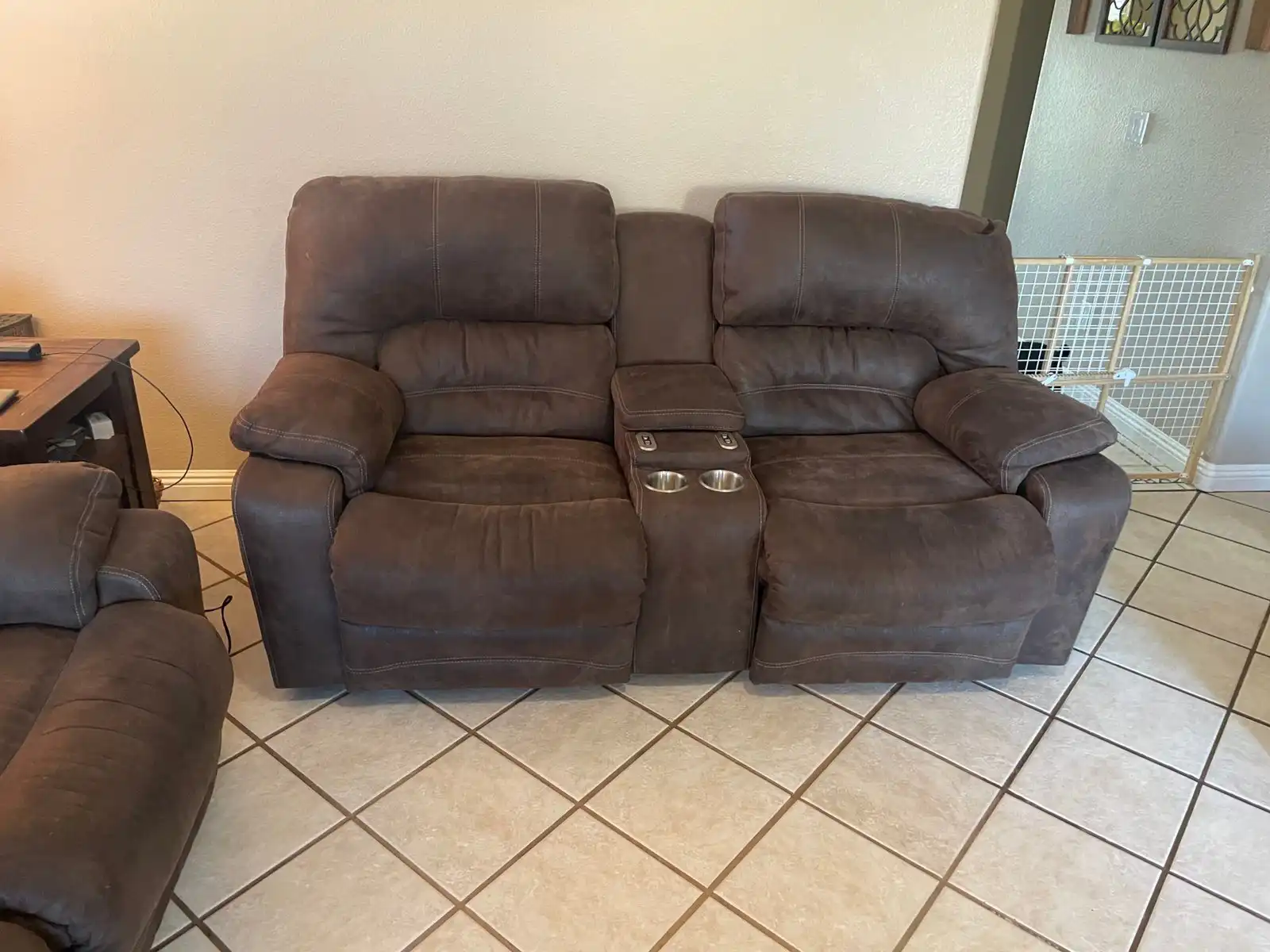
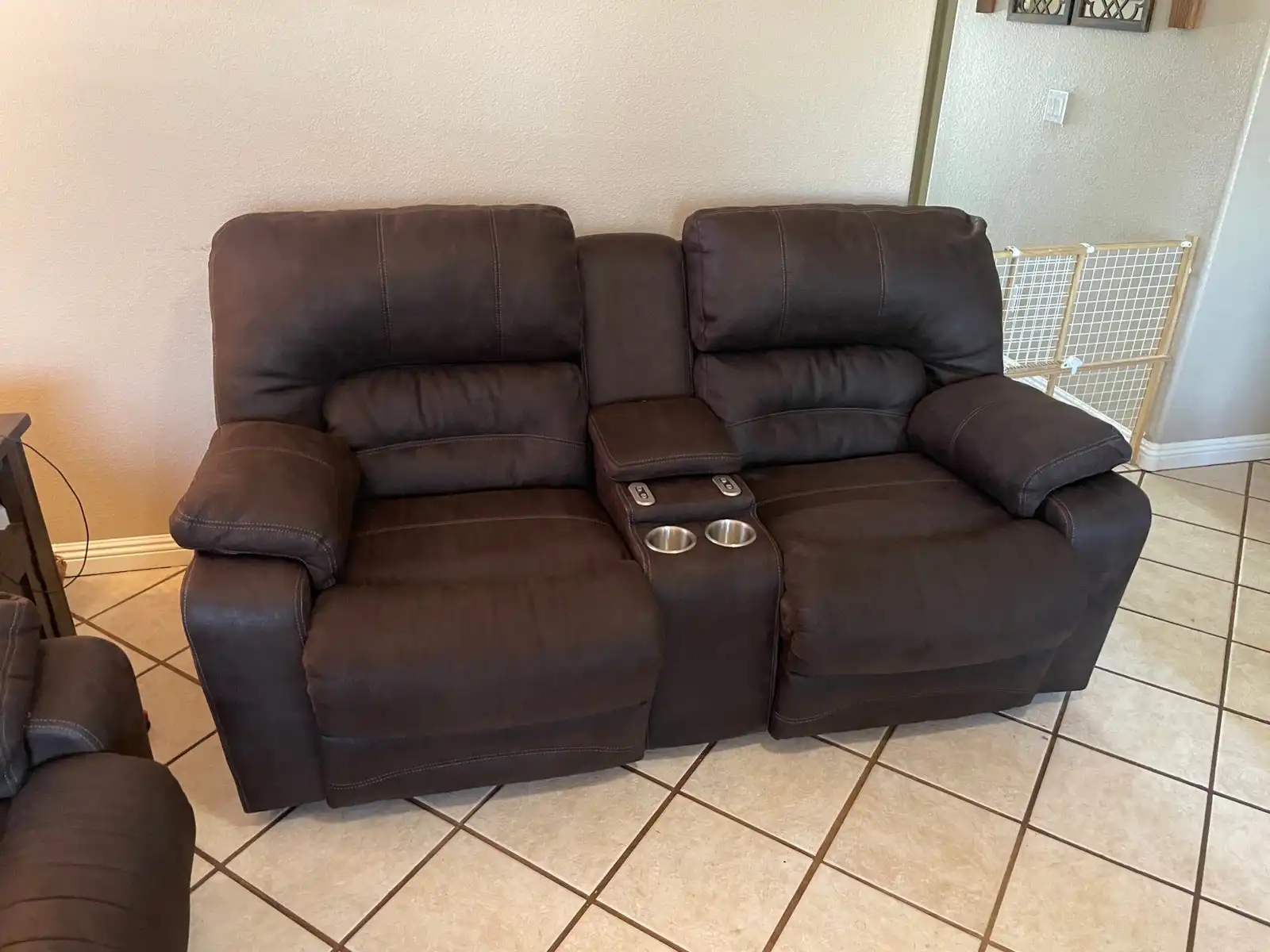
The distribution of dog saliva and paw contact soil on a loveseat in a Goodyear dog household follows the dog's specific contact behavior rather than the human use pattern. The armrest top is typically the highest concentration zone for both drool and paw contact. Dogs seeking human attention approach the loveseat and place their heads on the armrest, depositing saliva from the mouth and jowl area onto the armrest fabric surface. Simultaneously, the paw placed on the armrest or seat cushion edge deposits paw pad soil. The armrest top receives both types of dog contact soil from the same interaction, making it the compound deposit zone that needs the most intensive treatment attention.
The back cushion at the height where a dog's head rests when they sit adjacent to a seated human is the secondary drool concentration zone. A dog who sits on the floor beside the loveseat with their head resting on the back cushion deposits saliva along the back cushion surface at their head height. This contact is often prolonged: a dog maintaining this position for an extended period deposits more total saliva volume than a brief armrest contact. The back cushion saliva zone often extends along a horizontal band at the specific height of the dog's head when seated beside the loveseat.
The seat cushion edge where a dog places their front paws when approaching the loveseat accumulates paw pad oil and sweat compound soil at the cushion front edge. This zone is often overlooked because it is at the edge of the seat cushion rather than the center, but it receives concentrated paw contact from every approach and from extended resting with paws on the cushion edge. In households where dogs are permitted on the loveseat itself, the seat cushion surface develops additional distributed body contact soil from the full coat and paw pad contact of a sleeping or resting dog.
The Three-Chemistry Cleaning Sequence in Practice
Pre-cleaning deposit mapping identifies the specific drool zones, paw contact zones, and general dog body contact areas before any chemistry is applied. I ask about the dog's typical behavior on and around the loveseat: which side the dog most frequently approaches, whether the dog is permitted on the furniture, and what breed and size the dog is. These questions locate the highest-deposit zones and calibrate the treatment intensity to the deposit volume that the specific dog's behavior produces.
UV inspection of the loveseat surface reveals any urine contamination at the identified dog contact zones that may not be visible in normal light. Dog urine at a loveseat armrest or seat cushion from a dog who had an accident on the piece is revealed by UV fluorescence. If urine is identified, the treatment sequence includes pH stabilization and enzyme treatment for urine contamination in addition to the drool and paw pad deposit treatment sequence.
Enzyme pre-treatment is applied to all identified drool zones and paw contact zones with extended dwell of 15 to 20 minutes for established drool spots where the mucin proteins have dried and bonded to the fiber. During dwell, the enzyme chemistry is kept from drying: a dried enzyme treatment has not had its full effect on the protein deposit. Degreaser application follows enzyme extraction at the paw contact zones, where the interdigital oil component is concentrated, with a 5 to 10 minute dwell before extraction. Mild acid rinse follows at the drool spot zones where mineral crystalline residue is present. General loveseat cleaning of the full surface with encapsulation chemistry brings the non-dog-contact zones to the same clean baseline, producing uniform cleaning across the full piece.
Fabric Type Shapes the Technique
Microfiber loveseats, common in Goodyear's mid-price-point family furniture, require light moisture throughout the sequence and thorough extraction after each chemistry step to prevent the residue problems described in the Avondale loveseat page. Woven fabrics tolerate the sequence well but need soft brush agitation along the weave direction rather than across it. Velvet and velvet-like loveseats require blotting rather than brush agitation for all three chemistry steps, with post-extraction pile direction grooming to restore the pile to its correct orientation in the treated zones. The fabric type is confirmed before any chemistry is selected.
Between-Cleaning Management for Dog-Household Loveseats
Throw covers on the primary dog contact zones, particularly the armrest top and the seat cushion corner where the dog typically places their paws, intercept the drool and paw contact soil before it reaches the loveseat fabric. The cover accumulates the deposits and is laundered regularly rather than allowing them to build in the loveseat fabric. For households where the dog has specific preferred positions, a well-fitting cover on those positions is the most effective deposit management measure available.
Fresh drool spot response by blotting fresh saliva deposits immediately with a dry white cloth removes the bulk of the mucin protein before it forms the dried film in the fabric. Fresh saliva is a fluid that blots cleanly from fabric if addressed before drying. The dried mucin film that requires enzyme chemistry is entirely preventable with a prompt blotting response. Keeping a dry cloth accessible near the primary dog contact area makes this response practical.
Paw wiping before dog-loveseat contact, the same paw wiping routine recommended in the Goodyear carpet page, reduces the outdoor mineral particulate and paw pad soil that reaches the loveseat fabric through paw contact. A dry paw contact mat near the back door and a brief paw-wiping routine before the dog seeks loveseat contact reduces the mineral particulate component of paw deposit on the fabric.
Learn more about our loveseat cleaning services, or explore other cleaning services we offer in Goodyear.

 (602) 429-9602