All Ways Organic Citrus Carpet & Upholstery Cleaning - Home
🇺🇸 Made in USA
🍋 Citrus Based
🌵 Eco-Friendly
Hours
Mon – Sat
7AM – 7PM
Book Online
Book
Online
📍 Serving the Greater Phoenix Valley
🕐 Mon – Sat  7AM – 7PM
👨‍👩‍👧‍👦 Family Owned & Operated
🇺🇸 Made in USA
🍋 Citrus Based
🌵 Eco-Friendly
Book Online
Dining Chair Cleaning in Goodyear Arizona - All Ways Organic
Goodyear, Arizona

Goodyear AZ
Dining Chair Cleaning

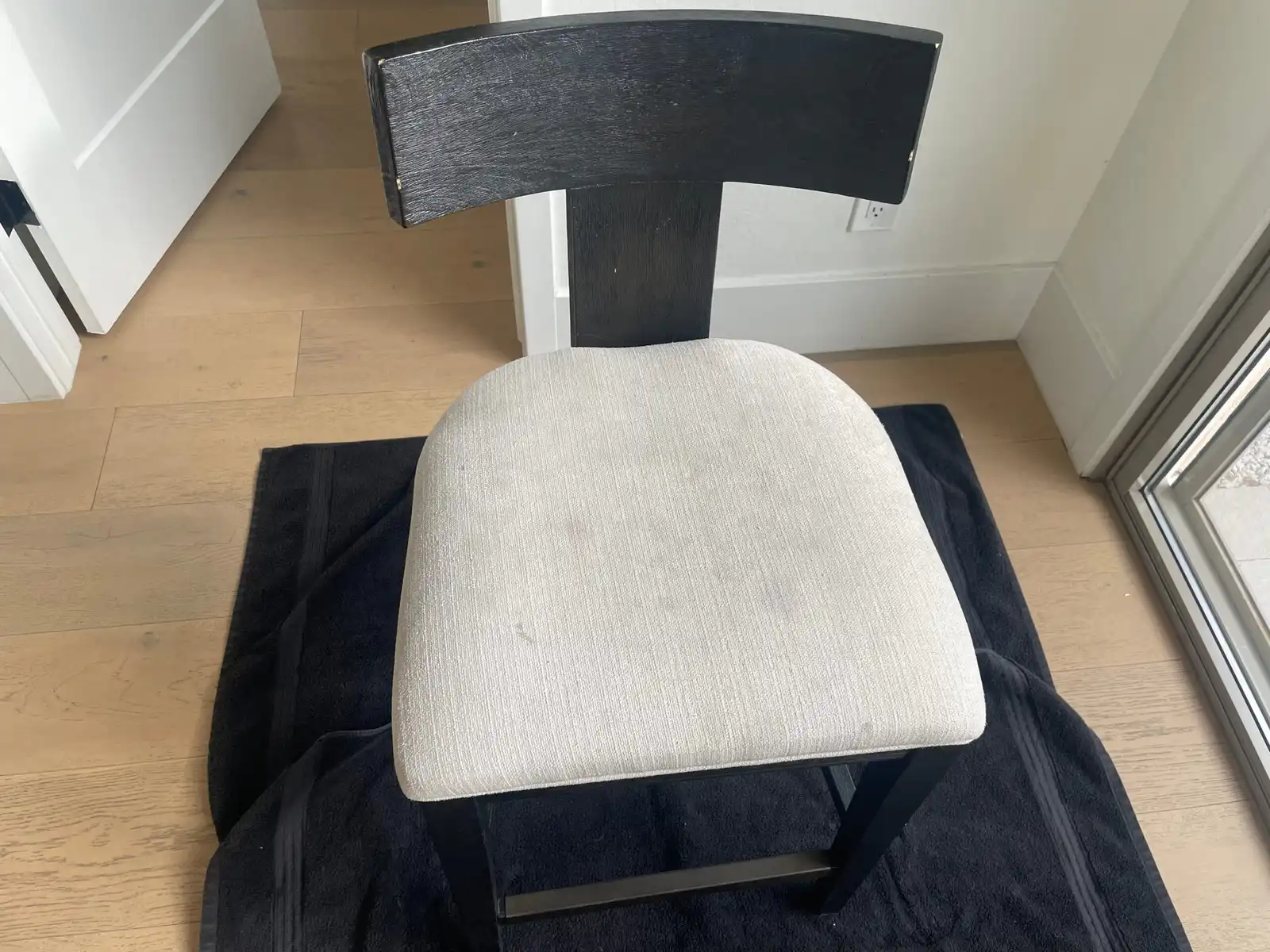
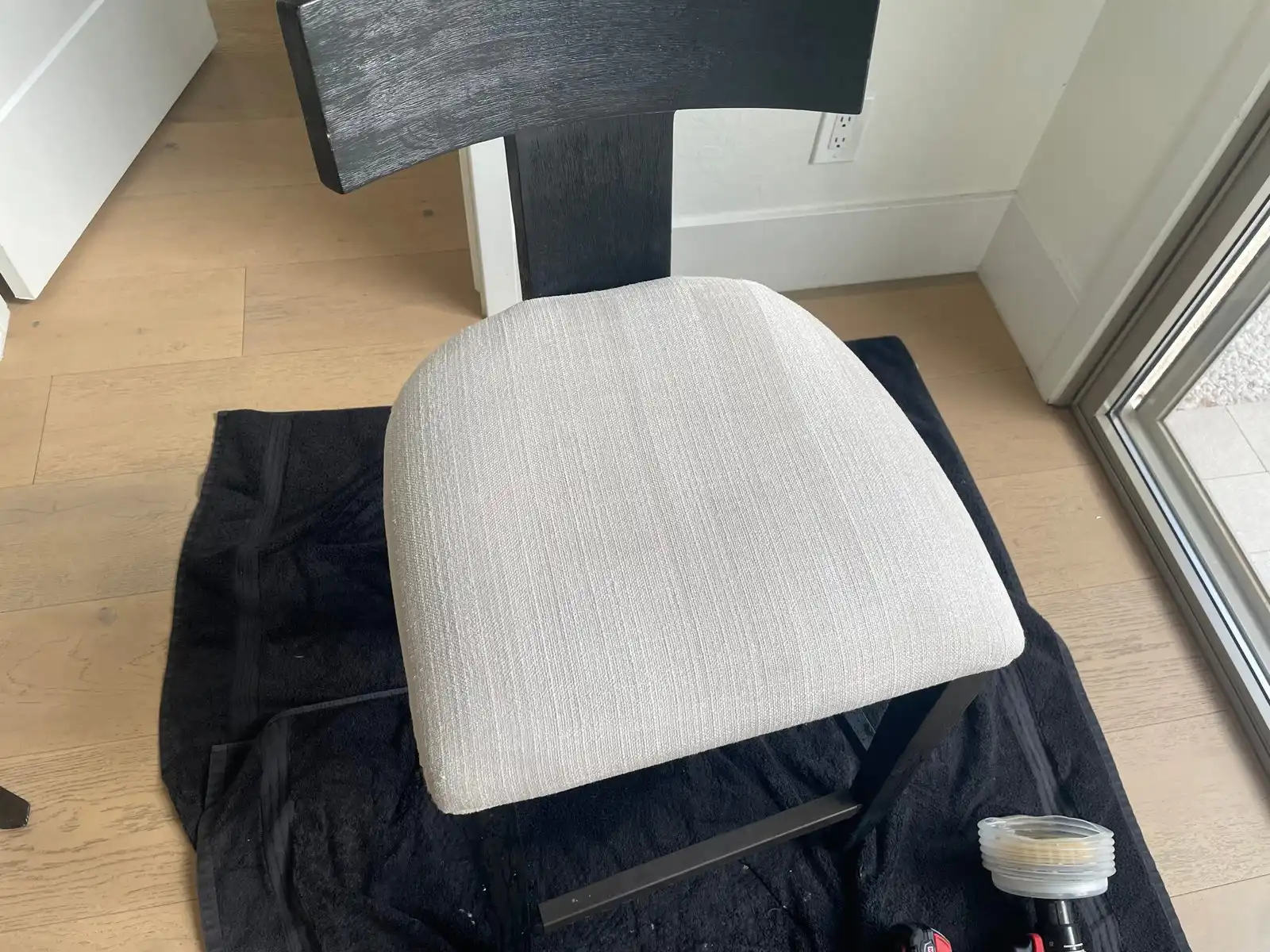
In Goodyear pool households, dining chairs accumulate sunscreen compounds, chlorine residue, and hard water mineral deposits from wet swimwear contact during pool season. Standard cleaning chemistry addresses none of those compounds effectively. This page covers what actually builds up in the fabric and the three-component approach that removes it.

Google
5.0 / 5.0
Google Reviews
Organic
100% Organic
Citrus-based products
Owner operated
Owner-Operated
Kyle shows up every time
Quick dry
〜1 Hour Dry Time
Low-moisture process
No hidden fees
No Hidden Fees
Price quoted = price paid
Schedule Your Cleaning
Book Your Goodyear Dining Chair Cleaning
Pick a date, build your clean, and confirm - takes about 60 seconds
1Date
/
2Build
/
3Book
Your Clean
$0

When works for you?

Pick a day and time. We'll handle the rest.

Build your clean

Tap a category, then add what you need.

Need commercial cleaning? Call (602) 429-9602 for a custom quote.

Confirm your cleaning

Almost there. Fill in your details and lock in your spot.

📅
Driveway parking available?
Tap any item above to adjust add-ons or remove it.

You're All Set!

Booking #

Confirmation sent to your email.

What to expect: I'm Kyle, the owner, and I'll be the one showing up. Carpets dry in about 1 hour. Your home will smell like fresh citrus. Safe for kids and pets immediately after cleaning.

Questions? Call or text (602) 429-9602

Need help?(602) 429-9602
SMS Consent: By providing your phone number when booking, you consent to receive appointment reminders and follow-up messages via SMS from All Ways Organic. Msg frequency varies. Msg & data rates may apply. Reply STOP to opt out at any time. Privacy Policy · Terms
Transparent Pricing

No Hidden Fees. No Surprises.

The price you see is the price you pay. Pool-household three-component treatment and pre-cleaning chlorine bleaching assessment are included at every appointment.

Per Chair
Per Chair
Single dining chair, all surfaces cleaned
$10
per chair
Book Now >
Set of 4
Set of 4
Four dining chairs, full set consistency
$40
per set
Book Now >
Set of 6
Set of 6
Six dining chairs, full set consistency
$60
per set
Book Now >
Optional Upgrade Treatments
Available at checkout to customize your cleaning
Deodorizer
Deodorizer
Extra odor elimination for a deeper fresh
High Traffic
High Traffic
Targeted treatment for heavy-wear zones
Pet Treatment
Pet Treatment
Neutralizes pet odors at the source
What Our Customers Say

Real Reviews, Real Results

"Sunscreen compounds are engineered to resist washing off skin. That same resistance is why they resist standard upholstery cleaning chemistry -- and why the approach for pool-household dining chairs has to be different."

About This Service

What Pool Households Deposit on Dining Chairs That Standard Cleaning Misses

In a Goodyear home with a pool and approximately 40 to 50 percent of the households I service throughout Canyon Trails, Cottonflower, Estrella Mountain Ranch, and the communities near Estrella Foothills High School have one - the dining chairs tell a specific story during pool season. From April through October, family members come in from the pool for meals wearing wet swimwear, carrying the specific chemistry of a pool day on their skin and clothing.

They sit on the dining chairs while still damp. They sit with sunscreen on their skin that has been mixing with pool water and sweat for hours. They sit with chlorine and pool chemical residue on their swimwear that transfers directly onto the chair fabric at every contact point. Over a six-month pool season, dining chair fabric in a Goodyear pool household accumulates sunscreen UV filter compounds, emollient bases, chlorine oxidation residues, and mineral-loaded pool water compounds.

This compound soil profile is completely different from food oil and cooking vapor accumulation, and it resists the cleaning chemistry designed for food soil. I'm Kyle, and this page covers what pool-household dining chairs actually accumulate, what the chemistry of that accumulation looks like, and what cleaning approach addresses it without leaving compound residue behind.

Why It Is Different
Four Reasons Pool-Household Dining Chairs Need a Different Approach
Sunscreen chemistry
Sunscreen Is Engineered to Resist Washing
UV filter compounds, including oxybenzone, avobenzone, zinc oxide, and titanium dioxide, are formulated specifically to stay on skin through water contact and sweating. This wash resistance carries into fabric. Standard surfactant cleaning chemistry that addresses food oil through saponification does not dissolve UV filter organics or the silicone and ester emollient compounds that carry them.
Mineral encapsulation
Hard Water Minerals Encapsulate the UV Filter Compounds
Goodyear's hard West Valley pool water carries elevated calcium and magnesium that deposit in chair fabric when pool-wet swimwear evaporates. These mineral compounds partially encapsulate the UV filter organics and the silicone emollients, reducing the accessibility of subsequent cleaning chemistry to the compounds beneath. The mineral layer has to be addressed first before the organic compounds beneath can be reached.
Chlorine bleaching
Chlorine Can Permanently Bleach Fabric Dye
The hypochlorous acid in pool water oxidizes fabric dye compounds at contact zones, producing a permanent lightening at the seat and back cushion areas. This is not a removable deposit but a chemical change to the dye itself. The pre-cleaning assessment identifies which lightening is permanent bleaching and which is removable deposit interference with the fabric's color appearance, so the outcome conversation happens before cleaning begins.
Three components
Effective Treatment Requires Three Chemistry Steps in Sequence
Mild acid pre-rinse dissolves the calcium and magnesium mineral matrix first. D-limonene solvent pre-treatment follows to dissolve the now-accessible UV filter organics and silicone emollient compounds. Standard encapsulation cleaning addresses the remaining surface soil and brings all chairs to a consistent baseline. Applying these steps in any other order, or skipping one, produces incomplete results on the compound deposit.

What Sunscreen Deposits in Dining Chair Fabric

Sunscreen is a complex formulation containing several categories of compounds that behave very differently from the food soil that dining chair cleaning chemistry is designed around. UV filter compounds, both chemical filters with aromatic ring structures and physical mineral filters like zinc oxide and titanium dioxide, deposit on fabric when sunscreen-covered skin contacts the chair and when sunscreen-containing pool water saturates swimwear. They are specifically formulated to resist water-based removal, which means they resist water-based cleaning chemistry in fabric the same way they resist washing off skin.

Emollient base compounds make up most of sunscreen formulations by weight: the moisturizing ingredients that carry the UV filters. These include esters, silicones, alcohols, and plant-derived oils. The emollient base is what gives sunscreen-deposited fabric its characteristic greasy feel and darkened appearance. It coats the fiber and attracts desert particulate from Goodyear's Estrella Mountain environment that settles on the chair surface. Standard surfactant cleaning partially addresses the simpler lipid fraction but leaves the silicone and synthetic ester compounds that are more resistant to saponification.

How Pool Water Chemistry Adds to the Compound

Pool water is not plain water. It is a chemically treated solution that deposits on fabric when pool-wet swimwear contacts dining chair fabric during poolside mealtimes. Free chlorine exists in pool water primarily as hypochlorous acid, and when chlorine-containing water contacts fabric through wet swimwear, it can oxidize fabric dye compounds at the contact zones - a permanent change to the dye, not a removable deposit. Dining chairs in Goodyear pool households near Sunchase at Estrella and along W Elliot Rd may develop a subtle lightening at the seat cushion contact zones from repeated chlorine water contact over a full pool season.

Calcium and magnesium from Goodyear's hard West Valley pool water accumulate in pool water and transfer to fabric when mineral-loaded pool water in wet swimwear evaporates on the chair surface. The mineral compounds deposit in the fabric fiber and partially encapsulate the UV filter organic compounds already present from sunscreen skin contact, reducing the accessibility of cleaning chemistry to those compounds beneath the mineral layer. The combined deposit: emollient lipid binding mineral compounds and UV filter organics, is more stubborn than any single component would be on its own.

The Three-Component Cleaning Sequence

The pre-cleaning assessment identifies the pool-household deposit profile specifically. Which chairs are closest to the back door or pool access carry the heaviest compound load. The assessment also checks for chlorine bleaching at the contact zones: a subtle lightening at the seat cushion center or back cushion at shoulder height that indicates direct chlorine water contact with the fabric dye. The post-cleaning assessment confirms whether any remaining lightening is permanent bleaching or was deposit interference with color appearance that cleaning has now resolved.

Dry pre-extraction removes the loose desert particulate that the sticky emollient lipid layer has attracted and retained on the fiber surface. This dry removal step is more productive for pool-household chair fabric than for standard food-soil chairs because the emollient stickiness has captured more total dry particulate per unit area.

Mild acid pre-rinse at the contact zones addresses the calcium and magnesium mineral compounds from pool water, dissolving the mineral deposit layer that has encapsulated the UV filter compounds and contributed to fabric stiffness. The same mild acid mechanism that addresses hard water mineral deposits on tile surfaces applies here to mineral deposits in fabric fiber. The acid pre-rinse dissolves the mineral matrix and opens access to the UV filter and emollient compounds beneath.

Solvent pre-treatment with d-limonene based citrus chemistry follows the acid mineral removal, addressing the UV filter organic compounds and the silicone and ester emollient compounds that standard surfactant does not dissolve. The solvent is applied after acid mineral removal and allowed adequate dwell for organic dissolution. Extraction removes all three treatment components: dissolved minerals, dissolved organic UV filter and emollient compounds, and released particulate. Multiple extraction passes at the compound deposit zones ensure complete removal.

Post-Pool-Season Timing Is Key

The right time to clean pool-household dining chairs in Goodyear is October or November, after the active pool season concludes. This timing addresses the full compound accumulation from the year's pool use before the dry winter and spring months progressively set the deposits more firmly in the fabric. For households in Canyon Trails, Cottonflower, and Estrella Mountain Ranch with very active pool use and multiple children, the full six-month pool season can produce enough compound accumulation to justify a mid-season cleaning in addition to the post-season appointment.

Chlorine Bleaching: The Permanent Condition

Chlorine bleaching of dining chair fabric dye is the one pool-household condition that professional cleaning cannot reverse. It is a permanent change to the fabric dye rather than a removable deposit. The visual character is a lighter zone at the contact area: paler or less vibrant in color than the surrounding fabric. A practical test distinguishes chlorine bleaching from sunscreen deposit yellowing: cleaning the contact zone thoroughly and assessing the color after deposits are removed. If the contact zone remains lighter after cleaning, the lightening is permanent chlorine bleaching. If it looks normal after deposits are removed, the lighter appearance was from deposit interference with the fabric's color rather than dye change.

For dining chair sets where chlorine bleaching has produced significant color change, reupholstering the affected chairs may be the most practical resolution for homeowners who find the color inconsistency visually significant. The cleaning removes the compound deposits and improves the overall chair condition, but the bleached zone remains as a permanent feature of the fabric's history of pool household use.

Learn more about our dining chair cleaning services, or explore other cleaning services we offer in Goodyear.

Common Questions

FAQs About Goodyear Dining Chair Cleaning

The stiffness and rough surface quality is the compound pool-household deposit described on this page: sunscreen emollient compounds and UV filter organic compounds combined with calcium and magnesium mineral deposits from Goodyear's hard West Valley pool water. The emollient compounds stiffen the fabric fiber as they dry in the fiber interstices. The mineral compounds contribute a rough, slightly crystalline surface texture as they deposit from evaporated pool water. Standard cleaning chemistry addresses these compounds partially but not completely. The three-component approach of acid mineral removal followed by solvent UV filter and emollient removal produces the most complete restoration of the fabric's original soft hand.

Possibly. The lighter zone at the contact area is consistent with chlorine bleaching of the fabric dye from direct pool water contact through wet swimwear. The test is cleaning the contact zone thoroughly and assessing the color after the sunscreen and pool compound deposits are removed. If the contact zone remains lighter than the surrounding fabric after cleaning, the lightening is permanent chlorine bleaching that cleaning cannot reverse. If the contact zone looks normal in color after the deposits are removed, the lighter appearance before cleaning was from deposit interference with the fabric's color rather than permanent dye change. The pre-cleaning assessment covers this distinction so you know what to expect before the appointment begins.

The silicone and synthetic ester emollient compounds in sunscreen formulations are more resistant to standard surfactant cleaning than simple food triglyceride oils. Standard surfactant cleaning that performs well on food oil deposits addresses the simpler lipid fraction of the sunscreen emollient base but leaves the silicone and synthetic ester compounds in the fiber. Solvent chemistry, specifically d-limonene based solvent formulations, dissolves these compounds more effectively than surfactant chemistry. If your dining chairs have had standard upholstery cleaning that did not specifically address the sunscreen compound residue, the persistent greasy feel is the silicone and synthetic ester emollient fraction that the standard cleaning left behind.

Same chemical source but different contact pattern and compounding factors. Direct skin-to-upholstery sunscreen transfer deposits sunscreen compounds through body contact with fabric. The dining chair pool-household situation involves a more complex deposit: sunscreen compounds have been mixed with pool water during swimming and are present in saturated swimwear, depositing not just sunscreen but also pool chemical residue and hard water mineral compounds simultaneously. The compound deposit from pool-water-saturated swimwear contact is harder to remove than direct skin sunscreen transfer because of the mineral encapsulation of the UV filter compounds and the simultaneous chlorine exposure.

Visible soiling accumulation typically becomes apparent after one to two full Goodyear pool seasons of regular poolside mealtime use without professional cleaning. The emollient stiffening of the fabric is often perceptible before visible discoloration: the fabric develops a different hand quality before it shows obvious visual change. By the end of the second pool season without professional cleaning, most pool-household dining chair fabric in Goodyear shows noticeable visual change at the primary contact zones: slightly darker or yellowed seat cushions, possible lighter chlorine-bleached zones, and a surface texture that differs from the chairs used away from the pool area. Annual professional cleaning at the end of each pool season addresses the accumulation before it progresses to the second-season compound deposit stage.

All chairs, for two reasons. First, in most Goodyear family households during pool season, different family members use different chairs at different meals and the pool-to-table transition is not always from the same direction. The compound pool deposit accumulates across the full set at different rates rather than only on specific chairs. Second, cleaning only some chairs while leaving others produces a visible inconsistency between the cleaned and uncleaned chairs that may be more apparent than the original soiling was. Cleaning the full set to a consistent baseline produces a uniform result and avoids the post-cleaning color and texture inconsistency between treated and untreated chairs.

Partially. Salt water pool systems use a salt chlorinator that generates chlorine from dissolved sodium chloride, so the pool water still contains chlorine, typically at lower levels than traditional chlorinated pools. The chlorine bleaching risk to dining chair fabric dye is somewhat lower in salt water systems, but it is not eliminated because chlorine is still the active sanitizing agent. The mineral deposit profile from salt water pool contact on dining chair fabric is also different: salt water contains elevated sodium chloride in addition to the calcium and magnesium from Goodyear's hard water supply, adding to the mineral compound load that deposits in fabric from pool water contact through wet swimwear. The sunscreen compound deposit profile is the same regardless of pool sanitization method.

Every 12 months with timing at the end of pool season, October or November after the active pool season concludes. This timing addresses the full compound accumulation from the year's pool use before the dry winter and spring months progressively set the deposits more firmly in the fabric. The post-pool-season timing also means the chairs receive professional cleaning at the point of maximum pool compound accumulation from the year, producing the most complete restoration before the next pool season begins. For Goodyear households with very active pool use and multiple children in Canyon Trails, Cottonflower, and Estrella Mountain Ranch where the pool is in use nearly every weekend from April through October, the full six-month pool season can produce enough compound accumulation to justify cleaning mid-season in addition to the post-season appointment.

Pool-Season Chair Fabric Feeling Stiff? Three Steps Gets It Out.
Three-component pool compound treatment and chlorine bleaching assessment included at every appointment
What Our Customers Say

Real Reviews, Real Results

All Goodyear Services
What We Clean in Goodyear
All 14
Carpet
Upholstery
Area Rugs
Tile & Commercial
Decorative desert cactus illustration growing from the desert floor