All Ways Organic Citrus Carpet & Upholstery Cleaning - Home
🇺🇸 Made in USA
🍋 Citrus Based
🌵 Eco-Friendly
Hours
Mon – Sat
7AM – 7PM
Book Online
Book
Online
📍 Serving the Greater Phoenix Valley
🕐 Mon – Sat  7AM – 7PM
👨‍👩‍👧‍👦 Family Owned & Operated
🇺🇸 Made in USA
🍋 Citrus Based
🌵 Eco-Friendly
Book Online
Modular Sectional Cleaning in Goodyear Arizona - All Ways Organic
Goodyear, Arizona

Goodyear AZ
Modular Sectional Cleaning

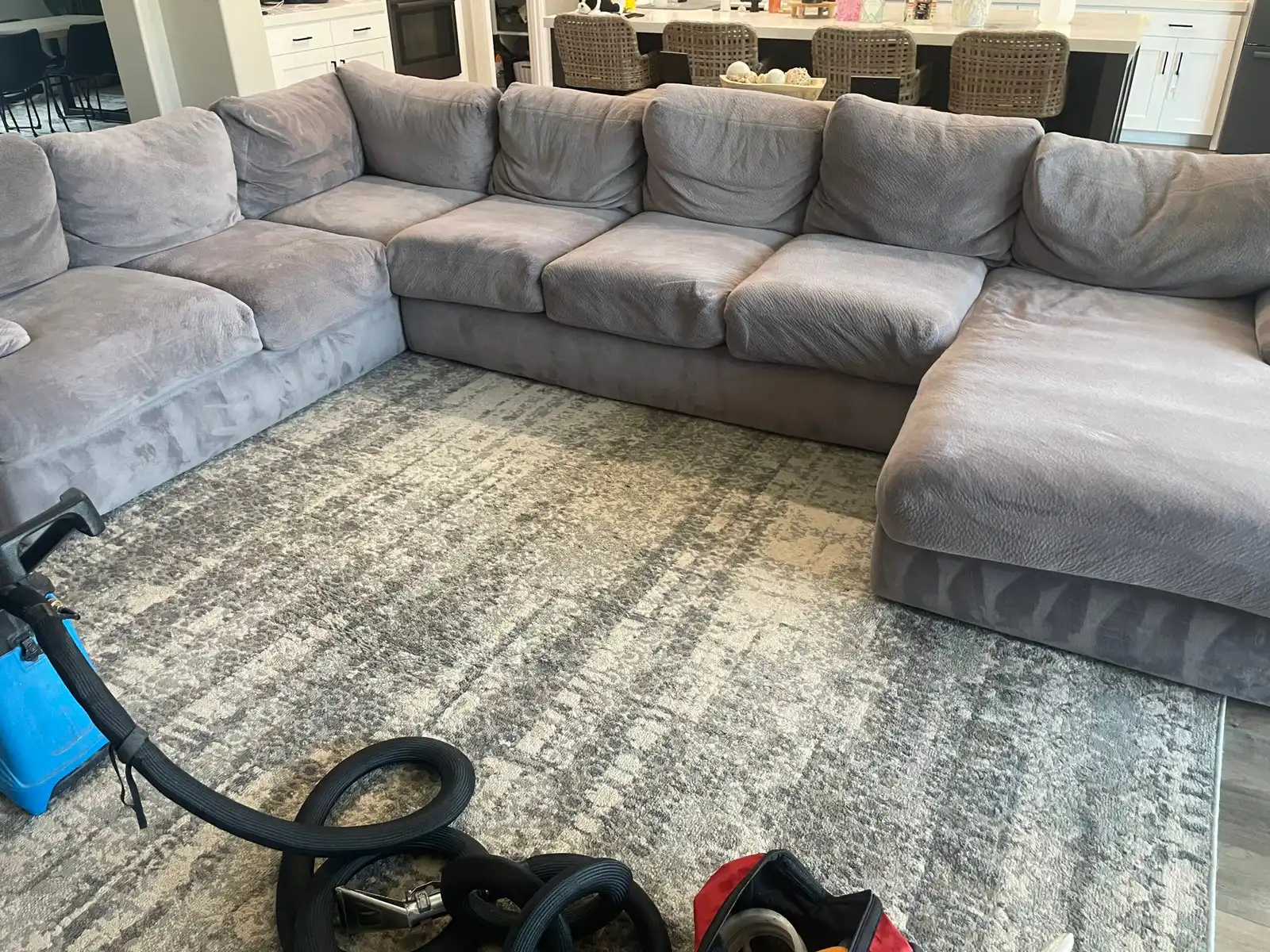
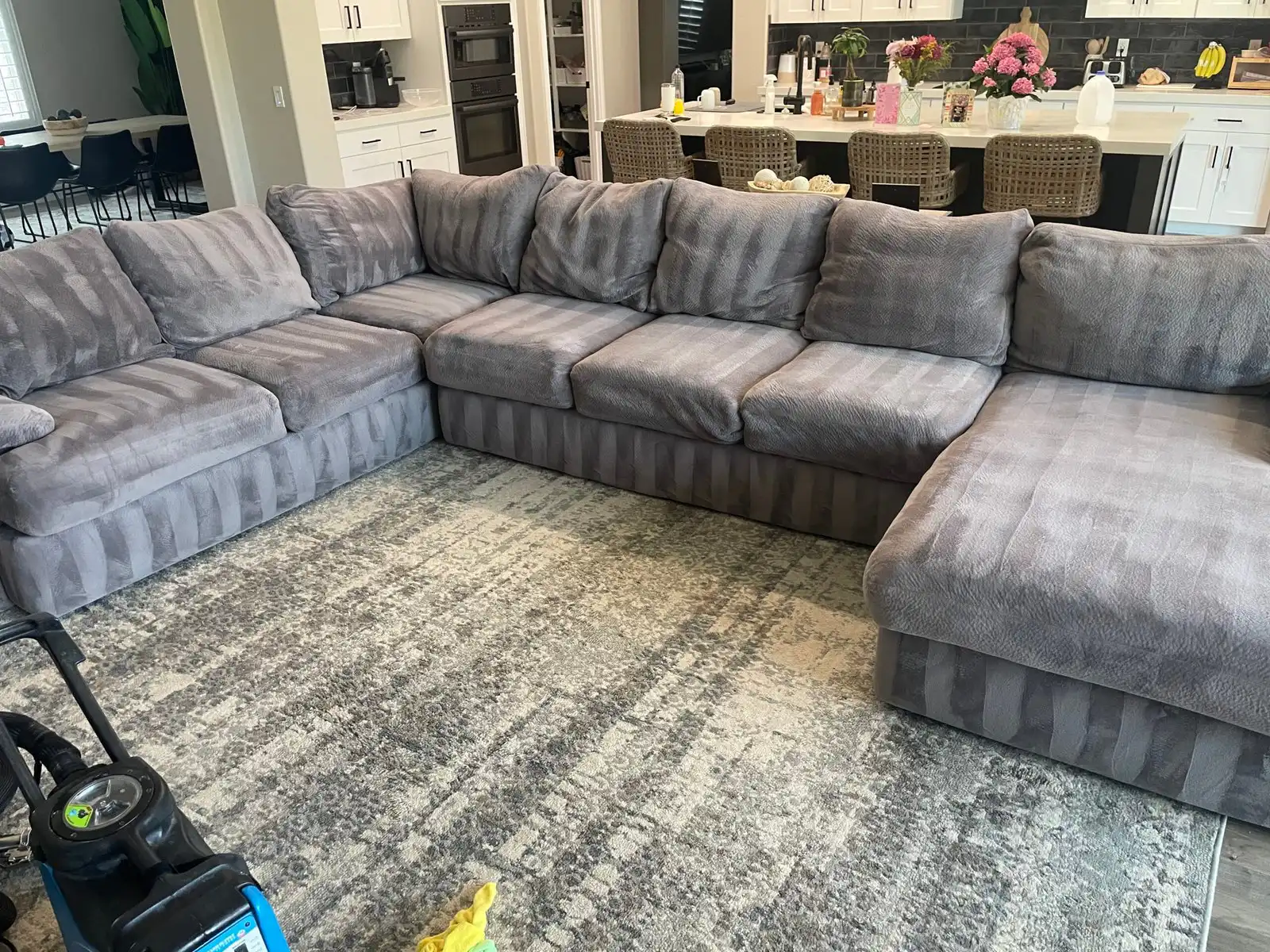
In Goodyear's established communities, many family sectionals are approaching ten years of daily use without a professional cleaning. That is a different appointment from maintenance cleaning. The assessment before treatment is the most important part, and the outcome conversation before anything starts is what sets honest expectations. Serving Canyon Trails, Cottonflower, Estrella Mountain Ranch, and all Goodyear neighborhoods.

Google
5.0 / 5.0
Google Reviews
Organic
100% Organic
Citrus-based products
Owner operated
Owner-Operated
Kyle shows up every time
Quick dry
〜1 Hour Dry Time
Low-moisture process
No hidden fees
No Hidden Fees
Price quoted = price paid
Schedule Your Cleaning
Book Your Goodyear Modular Sectional Cleaning
Pick a date, build your clean, and confirm - takes about 60 seconds
1Date
/
2Build
/
3Book
Your Clean
$0

When works for you?

Pick a day and time. We'll handle the rest.

Build your clean

Tap a category, then add what you need.

Need commercial cleaning? Call (602) 429-9602 for a custom quote.

Confirm your cleaning

Almost there. Fill in your details and lock in your spot.

📅
Driveway parking available?
Tap any item above to adjust add-ons or remove it.

You're All Set!

Booking #

Confirmation sent to your email.

What to expect: I'm Kyle, the owner, and I'll be the one showing up. Carpets dry in about 1 hour. Your home will smell like fresh citrus. Safe for kids and pets immediately after cleaning.

Questions? Call or text (602) 429-9602

Need help?(602) 429-9602
SMS Consent: By providing your phone number when booking, you consent to receive appointment reminders and follow-up messages via SMS from All Ways Organic. Msg frequency varies. Msg & data rates may apply. Reply STOP to opt out at any time. Privacy Policy · Terms
Transparent Pricing

No Hidden Fees. No Surprises.

The price you see is the price you pay. Pre-cleaning UV inspection, extended dwell pre-treatment, multi-pass extraction, and honest outcome assessment are included at every appointment.

3 Seat Sofa
3 Seat Sofa
Standard sofa, all surfaces cleaned
$125
per sofa
Book Now >
Sectional
Sectional
Standard sectional configuration
$225
per sectional
Book Now >
Modular Sectional
Modular Sectional
Multi-module configuration, full piece
$295
per modular
Book Now >
Optional Upgrade Treatments
Available at checkout to customize your cleaning
Deodorizer
Deodorizer
Extra odor elimination for a deeper fresh
High Traffic
High Traffic
Targeted treatment for heavy-wear zones
Pet Treatment
Pet Treatment
Neutralizes pet odors at the source
What Our Customers Say

Real Reviews, Real Results

"The first professional cleaning of a decade-old sectional is not the same appointment as maintaining a clean piece. The assessment before anything starts is the most important part of getting it right."

About This Service

What a Decade of Family Use Accumulates and What the First Cleaning Achieves

Goodyear is a city of relatively new homes. The established communities throughout Canyon Trails, Cottonflower, and Estrella Mountain Ranch have been there for roughly ten years, and in many of these homes the modular sectional that came with the family when they moved in has also been there for ten years. Ten years of daily family use: children growing from toddlers to teenagers, dogs sleeping on it, pool-day swimwear drying on it, sick days spent on it, snacks and movie nights and homework sessions.

When a Goodyear homeowner finally books the first professional cleaning for a sectional in this condition, the appointment is categorically different from maintaining a sectional that has been on a reasonable cleaning schedule. The accumulated soil profile of ten years of family and pet use is a specific and layered condition. Some of it is fully removable. Some of it partially improves and continues improving over subsequent annual cleanings. And some of it is permanent, including conditions that cleaning will reveal rather than resolve by removing the soil that was obscuring them.

The pre-cleaning honest assessment of what the first professional cleaning will achieve is the most important part of the appointment. I'm Kyle, and this page covers what a decade of family use deposits in a modular sectional, how I assess a never-cleaned piece before treating it, and what realistic expectations look like for the baseline cleaning.

The Honest Framework
What the First Professional Cleaning Can, Partially Can, and Cannot Achieve
Fully removable
What Cleans Completely
Surface and near-surface body oil in primary contact zones responds well to extended-dwell degreaser chemistry even after years of accumulation. Dog-specific protein deposits from paw contact and drool respond to extended enzyme treatment. General surface particulate including accumulated Estrella Mountain desert dust is fully removable by thorough dry pre-extraction and professional cleaning. Seam channel and deck soil from a decade of crumb and particulate accumulation is fully addressable with targeted tools and extended extraction.
Partially improvable
What Improves Over Multiple Cleanings
Deeply bonded body oil in the lower fiber layers that has had five to eight years to form stronger chemical bonds with the fiber surface improves dramatically in the first cleaning and continues improving over two to three subsequent annual cleanings as each cycle reaches a deeper layer. Old stain residue from home treatment chemistry layered under subsequent soil is progressively accessible over cleaning cycles. Color inconsistency between heavy-contact and less-contacted sections partially resolves as soil is removed and continues improving with annual cleaning.
Permanent conditions
What Cleaning Reveals Rather Than Resolves
Fabric fiber damage from years of mechanical wear: pilling, fiber breakdown, sheen from surface wear, or pile distortion. Permanent stain discoloration from incidents treated incorrectly at the time, such as alkaline cleaner on a tannin stain or hot water on a protein stain. Pet urine dye damage from extended-duration contamination that produced permanent color change at contamination zones. UV fading in sections positioned near windows. Cleaning removes the soil that was visually softening these permanent conditions, which may make them more apparent after cleaning.
UV inspection
UV Inspection Is the Most Important Pre-Cleaning Step
Full UV inspection of the sectional surface in a darkened room reveals the complete urine contamination history: both known incidents that were treated at home and unknown incidents from ten years of pet household use. In a Goodyear dog household over a decade, the probability of urine events the family was not fully aware of is meaningful. The UV map guides the treatment approach and tells the homeowner the full contamination picture before any chemistry is applied.

What Accumulates in Ten Years of Daily Family Use

A modular sectional that has been in active daily family use for ten years without professional cleaning does not simply have ten times the soil of a one-year-old sectional. The soil accumulation is a layered compound that has changed in character over time. Early deposits have been progressively buried by later deposits. Early stains were treated with home products whose residues have become part of the compound. And the sheer time in the fabric fiber means that what was once removable surface deposit has become more deeply bonded material.

Body oil is the most pervasive long-term accumulation. The sebaceous oil transferred through skin contact deposits with every contact event: every hour of sitting, every arm resting on the armrest, every leaned-back evening. In a family with multiple household members using the sectional daily over ten years, the body oil in the primary contact zones has built to a depth that standard cleaning is not designed to address in a single pass. The oil in the outermost fiber layer is relatively fresh and responds well to degreaser chemistry. The oil in deeper fiber layers has had years to bond to the fiber surface through progressive oxidation and chemical attachment.

Dog contact soil in Goodyear households where dogs have used the sectional for years follows the same accumulated profile: interdigital oil, paw pad organic compounds, and dog dander concentrating in the primary dog resting zones over years of daily contact. Stain history compounds the long-term profile further. Over ten years, a sectional accumulates numerous staining events, some addressed at home with cleaning products that left surfactant residue in the fiber. Over years, these residue layers from multiple home treatment events become part of the compound soil.

The Pre-Cleaning Assessment for a Never-Cleaned Piece

The pre-cleaning assessment for a decade-old never-cleaned sectional is more extensive than the standard pre-cleaning check for a well-maintained piece. Fabric condition assessment checks whether the pile or weave has any wear damage, pilling, or fiber breakdown in the primary contact zones that would persist after cleaning regardless of soil removal. UV inspection of the full sectional surface is the most important single step: the UV light reveals the complete urine contamination history from ten years of family and pet use. The foam condition assessment where accessible identifies whether any foam has developed structural degradation or biological contamination from urine events that reached the fill.

The home treatment history conversation is part of every first-cleaning assessment: asking what products and treatments have been applied to the sectional over its life. A household that regularly used alkaline spray cleaners has alkaline residue in the fiber. A household that used enzyme cleaners for pet accidents has enzyme chemistry residue in those zones. Each of these residue types can affect how professional cleaning chemistry behaves and what results it produces. The honest outcome discussion that follows the assessment is the most important communication of the appointment: a specific, zone-by-zone picture of what the cleaning will achieve before it begins.

What the Cleaning Process Looks Like for a Decade-Old Piece

A first professional cleaning of a decade-old family modular sectional requires more time, more chemistry, and more assessment than standard maintenance cleaning. Dry pre-extraction of the full sectional surface, all cushion faces, seam channels, deck fabric beneath cushions, and crevice zones between sections removes the accessible dry soil load before moisture is introduced. For a decade-old piece, this step removes a substantially larger total dry soil volume than the same step on a well-maintained sectional.

Zone-specific pre-treatment chemistry is selected based on the assessment: enzyme pre-treatment for identified dog contact zones and any urine-mapped areas, degreaser pre-treatment for primary body-oil contact zones, standard pre-treatment for lower-contact sections. Extended dwell times throughout: 20 to 30 minutes for the enzyme zones and 15 to 20 minutes for the degreaser zones. The extended dwell is the critical difference between a first-time deep clean and standard maintenance cleaning. Multiple extraction passes at all primary contact zones, two to three passes rather than the single pass appropriate for a recently cleaned piece, remove what each previous pass has loosened and expose the next layer to the following chemistry application.

Three Annual Cleanings to Reach Stable Maintenance Condition

The first professional cleaning establishes the baseline at the sectional's best achievable current state. The second annual cleaning reaches soil that the first cleaning loosened but could not fully extract: the deeper bonded oil layers, the residue from old home treatment chemistry, the biological compounds the first enzyme treatment began addressing. By the third annual cleaning, the sectional is approaching the condition it would have been in throughout its life if cleaned annually. The compound soil accumulation of the never-cleaned years is progressively addressed over three cycles, not corrected in one visit.

After the First Cleaning: Establishing the Maintenance Schedule

The homeowner who has just experienced the first professional cleaning of a long-term sectional and seen what that cleaning achieved has the clearest possible motivation for establishing the annual maintenance schedule that prevents needing another decade-deep baseline cleaning. Annual professional cleaning after the first baseline maintains the sectional at the clean state the baseline established. The 12-month interval prevents the re-accumulation of the multi-year soil load that the first cleaning addressed.

Specific habits that protect the first-cleaning baseline include throw covers on the primary dog contact zones, immediate blotting response to spills and pet accidents before they penetrate and set, and the pool-household protection practices described in the Goodyear dining chair page for households where pool contact soil reaches the sectional. These practices applied consistently after the first professional cleaning maintain the sectional at a condition level that annual cleaning sustains effectively rather than allowing the decade-deep accumulation to recur.

Learn more about our modular sectional cleaning services, or explore other cleaning services we offer in Goodyear.

Common Questions

FAQs About Goodyear Modular Sectional Cleaning

Not too late, but the first cleaning is more complex than standard maintenance cleaning and the expectations need to be calibrated to what a decade of accumulated soil looks like. The surface and near-surface soil removes well. Deeply bonded oil in the lower fiber layers improves significantly in the first cleaning and continues improving over subsequent annual cleanings. Some conditions that developed over ten years, including fabric wear, permanent stain discoloration from incorrect home treatment, and UV fading, are permanent and cleaning will reveal rather than resolve them. The pre-cleaning assessment identifies what is in each category before any treatment begins so the outcome expectation is accurate before the appointment starts.

Yes. The residue from years of home spot cleaning products is part of the compound soil that the first professional cleaning addresses. Surfactant residue from cleaning sprays applied repeatedly to stain zones is layered into the fabric alongside the body oil and pet deposits. This residue contributes to the soil-attracting surface quality that accelerates re-soiling between home cleanings. Professional cleaning chemistry works through these residue layers progressively: the first cleaning addresses the accessible layers and subsequent cleanings reach what was beneath. The home treatment history is part of the pre-cleaning conversation because it shapes the chemistry selection and the outcome expectations for specific zones.

What looks acceptable from a distance is the accumulated soil layer visually balanced against itself: the fabric has taken on a consistent slightly soiled appearance that reads as normal from distance viewing. Up close the stiffness, slight greasiness, and texture of accumulated body oil and pet deposits are apparent. This is actually a favorable condition for the first professional cleaning, because it means the fabric surface and structure are intact and the soil that has accumulated is primarily in the accessible fiber layers rather than deeply bonded below visible damage. The cleaning improvement from this condition is dramatic, and the post-cleaning result often exceeds the homeowner's expectation because they had calibrated their expectations to the seen-from-across-the-room condition.

In a Goodyear household with dogs and active family use over ten years, roughly half the soil in primary contact zones is body contact soil from human use and half is dog-specific deposits from pet contact, though this varies significantly by how much time the dogs spend on the sectional and where in the home the sectional is positioned relative to the dog traffic patterns described in the Goodyear carpet page. The UV inspection at the pre-cleaning assessment reveals the dog-specific urine contamination component. In practice, the zones often overlap: dogs frequently occupy the same sectional sections as the primary human users, compounding both deposit types in the same zones.

Cleaning only some sections while leaving others produces a visible inconsistency between the cleaned and uncleaned sections that is typically more apparent than the original variation was. Cleaning all sections to a consistent baseline is the approach that produces the most uniform result and the best representation of the sectional's actual condition. The sections that appear less soiled may simply have less visible surface soil while carrying similar deep-layer accumulated soil. Additionally, not cleaning some sections means those sections continue accumulating soil at their existing rate while the cleaned sections start from a clean baseline, producing an accelerating inconsistency between sections over time.

Most of the dog odor responds to professional enzyme treatment with appropriate extended dwell. The dog odor from paw pad organic compounds, dog dander, and general dog body contact is addressable by enzyme chemistry that breaks down the protein and organic compounds supporting bacterial activity. Where the odor is from urine contamination that reached the foam, identified by UV inspection, the fabric-surface enzyme treatment addresses the fabric-level contamination and the foam assessment determines whether foam-level treatment is needed for complete odor resolution. For most Goodyear dog household sectionals, the first professional cleaning with enzyme treatment produces dramatic odor improvement. Residual odor after thorough fabric treatment indicates foam contamination that requires the foam treatment conversation.

Three main practices make the biggest difference. First, annual professional cleaning on a consistent schedule: the maintenance cleaning after the first baseline cleaning is dramatically more effective and less intensive than the baseline cleaning itself because the soil has not had years to accumulate and compound. Second, immediate response to spills and pet accidents: blotting fresh events before they penetrate and set produces a completely different outcome from discovering dried events days later. Third, throw covers on the primary dog contact zones if dogs use the sectional: the cover intercepts dog deposits and is laundered rather than allowing the dog soil to build in the sectional fabric. These three practices together prevent the decade-deep accumulation from recurring.

Every 12 months for most active Goodyear family households with children and dogs. The annual cleaning after the first baseline maintains the sectional at the clean state the baseline established rather than allowing new accumulation to approach the never-cleaned decade-old condition. The second and third annual cleanings after the first also produce progressive improvement as they address deeper bonded soil that the first cleaning loosened. By the third annual cleaning most Goodyear family sectionals have reached the stable maintenance condition where each annual cleaning produces consistent maintenance-level improvement rather than the progressive deep-clean improvement of the first three years.

Never Been Cleaned? The Assessment Comes First.
UV inspection, honest zone-by-zone outcome discussion, and extended dwell deep clean included at every first-time appointment
What Our Customers Say

Real Reviews, Real Results

All Goodyear Services
What We Clean in Goodyear
All 14
Carpet
Upholstery
Area Rugs
Tile & Commercial
Decorative desert cactus illustration growing from the desert floor