All Ways Organic Citrus Carpet & Upholstery Cleaning - Home
🇺🇸 Made in USA
🍋 Citrus Based
🌵 Eco-Friendly
Hours
Mon – Sat
7AM – 7PM
Book Online
Book
Online
📍 Serving the Greater Phoenix Valley
🕐 Mon – Sat  7AM – 7PM
👨‍👩‍👧‍👦 Family Owned & Operated
🇺🇸 Made in USA
🍋 Citrus Based
🌵 Eco-Friendly
Book Online
Hallway Carpet Cleaning in Goodyear Arizona - All Ways Organic
Goodyear, Arizona

Goodyear AZ
Hallway Carpet Cleaning

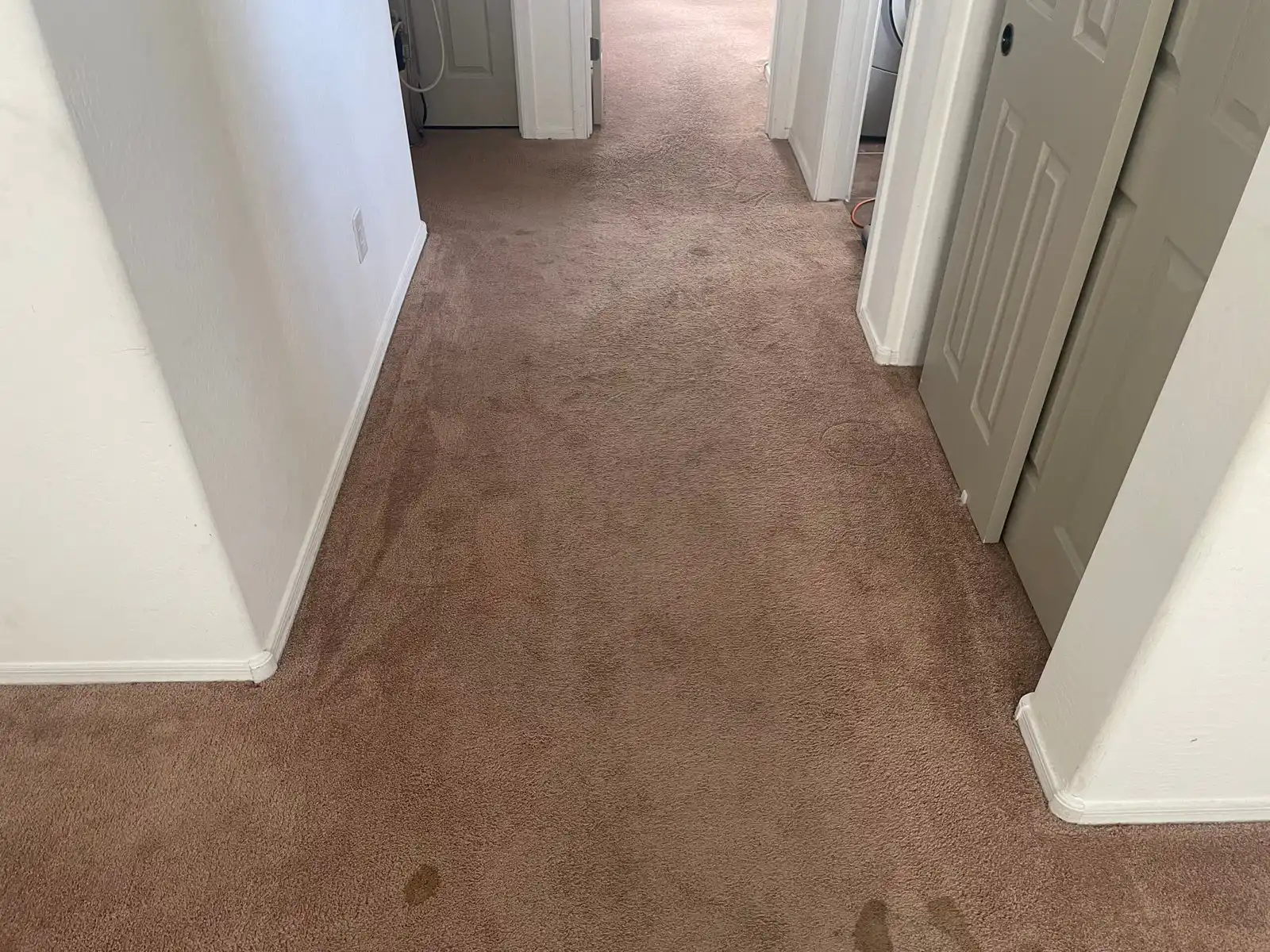
In Goodyear's two-story homes, the second-floor hallway carpet receives only barefoot and sock traffic. No outdoor soil, no shoe contact. What it does receive is concentrated skin-contact organic soil that looks different from ground-floor carpet, smells different over time, and responds best to enzyme and degreaser chemistry rather than standard cleaning. Serving Canyon Trails, Cottonflower, Estrella Mountain Ranch, and all Goodyear neighborhoods.

Google
5.0 / 5.0
Google Reviews
Organic
100% Organic
Citrus-based products
Owner operated
Owner-Operated
Kyle shows up every time
Quick dry
〜1 Hour Dry Time
Low-moisture process
No hidden fees
No Hidden Fees
Price quoted = price paid
Schedule Your Cleaning
Book Your Goodyear Hallway Carpet Cleaning
Pick a date, build your clean, and confirm - takes about 60 seconds
1Date
/
2Build
/
3Book
Your Clean
$0

When works for you?

Pick a day and time. We'll handle the rest.

Build your clean

Tap a category, then add what you need.

Need commercial cleaning? Call (602) 429-9602 for a custom quote.

Confirm your cleaning

Almost there. Fill in your details and lock in your spot.

📅
Driveway parking available?
Tap any item above to adjust add-ons or remove it.

You're All Set!

Booking #

Confirmation sent to your email.

What to expect: I'm Kyle, the owner, and I'll be the one showing up. Carpets dry in about 1 hour. Your home will smell like fresh citrus. Safe for kids and pets immediately after cleaning.

Questions? Call or text (602) 429-9602

Need help?(602) 429-9602
SMS Consent: By providing your phone number when booking, you consent to receive appointment reminders and follow-up messages via SMS from All Ways Organic. Msg frequency varies. Msg & data rates may apply. Reply STOP to opt out at any time. Privacy Policy · Terms
Transparent Pricing

No Hidden Fees. No Surprises.

The price you see is the price you pay. Enzyme pre-treatment for skin-contact organic deposits and degreaser pre-treatment for sebaceous oil are included at every second-floor hallway appointment.

Room of Carpet
Room of Carpet
Any standard bedroom or living area
$50
per room
Book Now >
Hallway Carpet
Hallway
Any standard hallway length
$30
per hallway
Book Now >
Staircase Carpet
Stairs
Full staircase, any configuration
$75
per staircase
Book Now >
Optional Upgrade Treatments
Available at checkout to customize your cleaning
Deodorizer
Deodorizer
Extra odor elimination for a deeper fresh
High Traffic
High Traffic
Targeted treatment for heavy-wear zones
Pet Treatment
Pet Treatment
Neutralizes pet odors at the source
What Our Customers Say

Real Reviews, Real Results

"Second-floor hallway carpet looks old but the fiber underneath is in better condition than ground-floor carpet of the same age. The organic soil cleans off and what is left surprises most homeowners."

About This Service

What Second-Floor Hallway Carpet Accumulates and Why It Needs Different Chemistry

Most of the homes I clean in Goodyear, throughout Canyon Trails, Cottonflower, Estrella Mountain Ranch, and the communities along Estrella Pkwy, are two-story homes with bedrooms upstairs. In virtually every one of these homes, the transition from shoes to barefoot or socked happens at or near the ground floor. By the time family members reach the second-floor hallway that connects the bedrooms and bathrooms upstairs, they are in socked feet or barefoot.

This means the carpet in the second-floor hallway receives a completely different soil profile from the carpet on the ground floor. There is no tracked-in outdoor soil. There is no fine desert dust from the Estrella Mountain area arriving on shoe soles. What the second-floor hallway carpet receives is almost exclusively skin-contact soil: sebaceous oil from bare foot soles, dead skin cells shed by bare feet in motion, eccrine sweat compounds from the plantar surface of the foot during warm months, and sock fiber transfer from socked contact.

This narrow, organic-dominant soil profile produces carpet conditions that look and feel different from ground-floor carpet and that respond to cleaning differently. I'm Kyle, and this page covers what second-floor hallway carpet in Goodyear's two-story homes actually accumulates and what cleaning approach addresses skin-contact dominant soil most effectively.

Why It Is Different
Four Things That Make Second-Floor Hallway Carpet Its Own Cleaning Problem
Skin contact soil
The Soil Is Almost Entirely Organic Skin Contact
Sebaceous oil from foot soles, dead skin cells shed mechanically by bare feet on carpet, and eccrine sweat compounds from the plantar surface are the three primary deposits. These are protein and lipid organic compounds that support bacterial activity in the pile and produce the characteristic odor that many Goodyear homeowners notice upstairs without being able to identify the source.
Tan-brown darkening
The Darkening Is Tan-Brown, Not Gray-Brown
Ground-floor carpet darkens gray-brown from mineral outdoor soil. Second-floor hallway carpet darkens tan-brown from organic skin oil. The color character is different and so is the chemistry required to remove it. Standard cleaning that addresses mineral-organic mixed soil on the ground floor does not specifically target the enzyme-responsive protein deposits and degreaser-responsive oil film that dominate the second-floor hallway.
Fiber condition
The Fiber Is in Better Condition Than It Looks
Second-floor hallway carpet does not receive the abrasive mineral silica and carbonate particulate from outdoor shoe contact that progressively damages ground-floor carpet fiber. The fiber surface condition is better than equivalent-age ground-floor carpet despite the organic soil accumulation. This means second-floor hallway carpet responds to cleaning with dramatic improvement because the fiber underneath the organic soil layer is intact.
Enzyme and degreaser
Enzyme First, Then Degreaser, Then Encapsulation
Protease enzyme breaks down the dead skin cell protein deposits and sweat organic compounds throughout the pile depth. Degreaser addresses the sebaceous oil film that enzyme does not target. Encapsulation cleaning follows for full hallway surface maintenance. This sequence produces more complete odor resolution and walk path darkening improvement than standard cleaning chemistry provides.

What Barefoot Contact Deposits in Second-Floor Hallway Carpet

Sebaceous oil from plantar skin is the primary organic deposit from bare foot contact. Although the plantar surface has a lower sebaceous gland density than other body areas, oil migrates to the foot sole from adjacent skin and concentrates in the thicker skin of the heel and ball of the foot. This sebaceous oil coats the fiber surface in the barefoot traffic zone and progressively darkens those areas through lipid adhesion, attracting and holding fine particulate from the air and from sock lint.

Dead skin cells are shed in greater volume per step from bare feet than from shod feet because the direct contact between the bare foot sole and the carpet pile creates friction that mechanically detaches loose skin cells from the foot surface. In a second-floor hallway that receives daily barefoot traffic from a family of four, the dead skin cell accumulation in the carpet over months of use is substantial. Dead skin cells are organic particulate that support bacterial activity in the carpet, producing the volatile compounds that create the musty, slightly cheesy odor many Goodyear homeowners notice upstairs and cannot identify.

Eccrine sweat from the plantar surface deposits in the carpet at elevated rates during Goodyear's warm months. The plantar surface has one of the highest eccrine sweat gland densities of any body surface area. In Goodyear's warm household environment from April through October, plantar sweat production during walking contact is meaningful even in air-conditioned homes. The eccrine sweat compounds, including sodium chloride, lactic acid, urea, and amino acids, deposit in the carpet fiber and undergo the same crystallization and hygroscopic cycling described in the Goodyear recliner page, distributed across the hallway surface from walking contact rather than concentrated in a static contact zone.

What Sock Contact Adds to the Profile

In most Goodyear family homes, hallway traffic is roughly half barefoot and half socked at any given time. Socks shed fiber onto the carpet surface during walking contact through mechanical detachment from the sock weave. Cotton sock fibers contribute a light-colored fuzz visible against darker carpet colors. Synthetic fibers accumulate in the pile and add to the general particulate load over time.

Skin oil migration through sock fabric also transfers sebaceous oil from the foot sole through the sock weave and into the carpet fiber. A worn sock that has absorbed body oil from a full day of use transfers more oil to the carpet than a fresh sock. In a household where socks are worn through an evening upstairs routine without changing, the sock has been absorbing plantar oil all day and becomes a meaningful oil transfer vehicle during that hallway contact.

The Zone Map of Second-Floor Hallway Soil Concentration

The bathroom threshold zone outside the bathroom door receives the most frequent barefoot traffic of any second-floor hallway area. Every family member going to and from the bathroom morning and evening crosses this zone barefoot. Morning preparation traffic, bedtime routine traffic, and nighttime bathroom use together make this the location of maximum barefoot contact frequency in the hallway. In Goodyear's typical two-story home where a shared bathroom serves multiple bedrooms, this threshold zone concentration is particularly pronounced.

The master bedroom doorway zone receives concentrated barefoot traffic from the primary adult household members traveling the same route between the master bedroom and the bathroom daily. Children's bedroom doorway zones receive their own concentrated traffic with somewhat different soil composition: children's foot contact typically has higher dead skin cell shedding relative to sebaceous oil, and higher plantar sweat contribution from the higher body heat of active children.

The stair landing at the top of the stairs is the transition zone between shoe-traffic and barefoot-traffic carpet conditions. In some Goodyear home configurations, this landing receives both shoe-traffic soil from family members who have not yet removed shoes at the top of the stairs and barefoot traffic from the second-floor hallway, producing a mixed soil profile between the pure organic skin contact soil of the deep second-floor hallway and the mineral-organic mixed soil of the ground floor.

Dogs With Upstairs Access Change the Profile

Dogs that have access to the second floor contribute paw pad deposits to the second-floor hallway through the same mechanism described in the Goodyear carpet page. Unlike human family members who remove shoes before the second floor, dogs travel from outdoor surfaces to the upstairs hallway carrying paw pad soil without a shoe-removal step. The second-floor hallway in a Goodyear dog household with upstairs dog access has a mixed profile: barefoot and socked human traffic organic soil plus dog paw pad compounds and potentially some outdoor mineral particulate from dog paw contact. The cleaning approach for this mixed profile adds dog-specific enzyme pre-treatment to the standard human skin contact organic soil treatment.

Honest Expectations for Second-Floor Hallway Cleaning

Second-floor hallway carpet that has received appropriate organic-soil-calibrated chemistry with enzyme and degreaser pre-treatment shows notably more dramatic improvement than the same carpet cleaned with standard general-purpose chemistry. The fiber condition underneath the organic soil layer is better than the visual appearance suggests, because the fiber has not been abraded by outdoor mineral particulate the way ground-floor carpet fiber has. Once the organic soil is addressed, the fiber recovers its original texture and light-reflection behavior in a way that heavily abraded ground-floor carpet cannot.

Established odor from dead skin cell bacterial decomposition responds well to enzyme treatment that breaks down the organic substrate supporting the bacterial activity. The odor resolution is at the source rather than masking. A second-floor hallway that has had enzyme cleaning typically shows odor improvement that holds between cleanings because the bacterial food source has been removed rather than covered.

Learn more about our hallway carpet cleaning services, or explore other cleaning services we offer in Goodyear.

Common Questions

FAQs About Goodyear Hallway Carpet Cleaning

Almost certainly yes. The musty odor in a second-floor hallway is the characteristic smell of bacterial decomposition of dead skin cell deposits in the carpet pile. Bare feet shed skin cells directly into the carpet fiber with every step, and bacteria naturally present in carpet metabolize these organic deposits, producing the volatile compounds that smell musty or slightly cheesy. The second floor of a Goodyear home is warmer than the ground floor even with air conditioning, and the elevated temperature accelerates the bacterial activity and odor production. Professional enzyme treatment specifically breaks down the dead skin cell protein deposits that support the bacterial activity, removing the odor at its source rather than masking it.

The darkening in the barefoot walk path is sebaceous oil from foot soles coating the carpet fiber and progressively attracting and retaining fine particulate from the air and from sock lint. Unlike ground-floor carpet darkening which is dominated by gray-brown outdoor mineral soil, second-floor hallway darkening is tan-brown from organic skin oil. This organic oil darkening responds very well to professional degreaser chemistry because the primary soil is lipid-based. Standard cleaning that does not specifically include degreaser pre-treatment at the walk path zone addresses the loose surface soil but leaves the oil film that is the primary darkening agent.

Typically better physical condition despite potentially more visual darkening. Ground-floor carpet fiber is progressively abraded by the mineral silica and carbonate particulate in outdoor soil tracked in on shoe soles, and this abrasion damages the fiber surface and reduces pile resilience over time. Second-floor hallway carpet does not receive this abrasive outdoor particulate, so the fiber surface is less damaged despite the organic soil accumulation. The second-floor hallway carpet that looks significantly soiled often responds to cleaning with dramatic improvement because the fiber condition underneath the organic soil layer is better than the visual appearance suggests.

At the same frequency as the ground-floor traffic areas: weekly for active family households in Goodyear. The soil accumulation rate in the second-floor hallway from barefoot and socked traffic is lower per square foot than the ground-floor carpet in shoe-traffic areas, but the organic nature of the soil means it supports bacterial activity that accelerates between vacuuming intervals. Weekly vacuuming of the second-floor hallway removes the dead skin cell organic particulate before it progresses far in the bacterial decomposition cycle. The bathroom threshold zone and bedroom doorway zones specifically benefit from the most consistent vacuuming attention because these are the highest-frequency barefoot contact zones.

The ground floor looks more worn because it has received abrasive outdoor mineral particulate on shoe soles that has progressively damaged the fiber surface. The second floor smells worse because it has received concentrated organic skin contact deposits from barefoot traffic that support bacterial odor production. These are the two different soil profiles this page describes. The ground floor carpet fiber is more physically damaged. The second floor carpet fiber is in better physical condition but carries a higher organic biological load. Both conditions are addressed by professional cleaning with chemistry calibrated to the dominant soil type at each location.

Yes. Dogs that have access to the second floor contribute paw pad deposits to the second-floor hallway through the same mechanism described in the Goodyear carpet page. Unlike human family members who remove shoes before reaching the second floor, dogs travel from outdoor surfaces to the upstairs hallway carrying paw pad soil without a shoe-removal step. The second-floor hallway in a Goodyear dog household with upstairs dog access has a mixed profile: the barefoot and socked human traffic organic soil plus dog paw pad organic compounds and potentially some outdoor mineral particulate from dog paw contact. The cleaning approach for this mixed profile includes enzyme pre-treatment for the dog-specific organic compounds in addition to the human skin contact organic soil treatment.

Young children's bare foot contact deposits somewhat higher dead skin cell volumes per step than adults because children's skin shedding rate is elevated during active growth phases. Children also tend to spend more total time in barefoot contact with carpet through play and floor-level activity. The practical effect is that the second-floor hallway in a Goodyear home with young children accumulates organic skin contact soil somewhat faster than a household with adults only. The cleaning frequency recommendation is 12 months regardless, but the cleaning at the 12-month mark in a young-children household may find more advanced organic accumulation than in a lower-activity household, which is addressed by the extended enzyme dwell time appropriate for more established organic deposits.

Every 12 months for most active Goodyear family households, with timing ideally in late spring or early summer before the warm-season peak plantar sweat accumulation of Goodyear's monsoon months. Annual cleaning removes the full year's organic skin contact soil accumulation before bacterial activity on that accumulation progresses to established odor. Between annual cleanings, weekly vacuuming of the hallway maintains the organic particulate at a manageable level. For Goodyear households with dogs that have upstairs access, the 12-month interval is the appropriate maximum rather than a guideline to extend, because the combined human and dog organic soil accumulation benefits from consistent annual professional cleaning.

Upstairs Hallway Smells Musty? Enzyme Treatment Gets the Source.
Enzyme and degreaser pre-treatment calibrated to skin-contact organic soil included at every second-floor hallway appointment
What Our Customers Say

Real Reviews, Real Results

All Goodyear Services
What We Clean in Goodyear
All 14
Carpet
Upholstery
Area Rugs
Tile & Commercial
Decorative desert cactus illustration growing from the desert floor