All Ways Organic Citrus Carpet & Upholstery Cleaning - Home
🇺🇸 Made in USA
🍋 Citrus Based
🌵 Eco-Friendly
Hours
Mon – Sat
7AM – 7PM
Book Online
Book
Online
📍 Serving the Greater Phoenix Valley
🕐 Mon – Sat  7AM – 7PM
👨‍👩‍👧‍👦 Family Owned & Operated
🇺🇸 Made in USA
🍋 Citrus Based
🌵 Eco-Friendly
Book Online
Wool Area Rug Cleaning in Buckeye Arizona - All Ways Organic
Buckeye, Arizona

Buckeye AZ
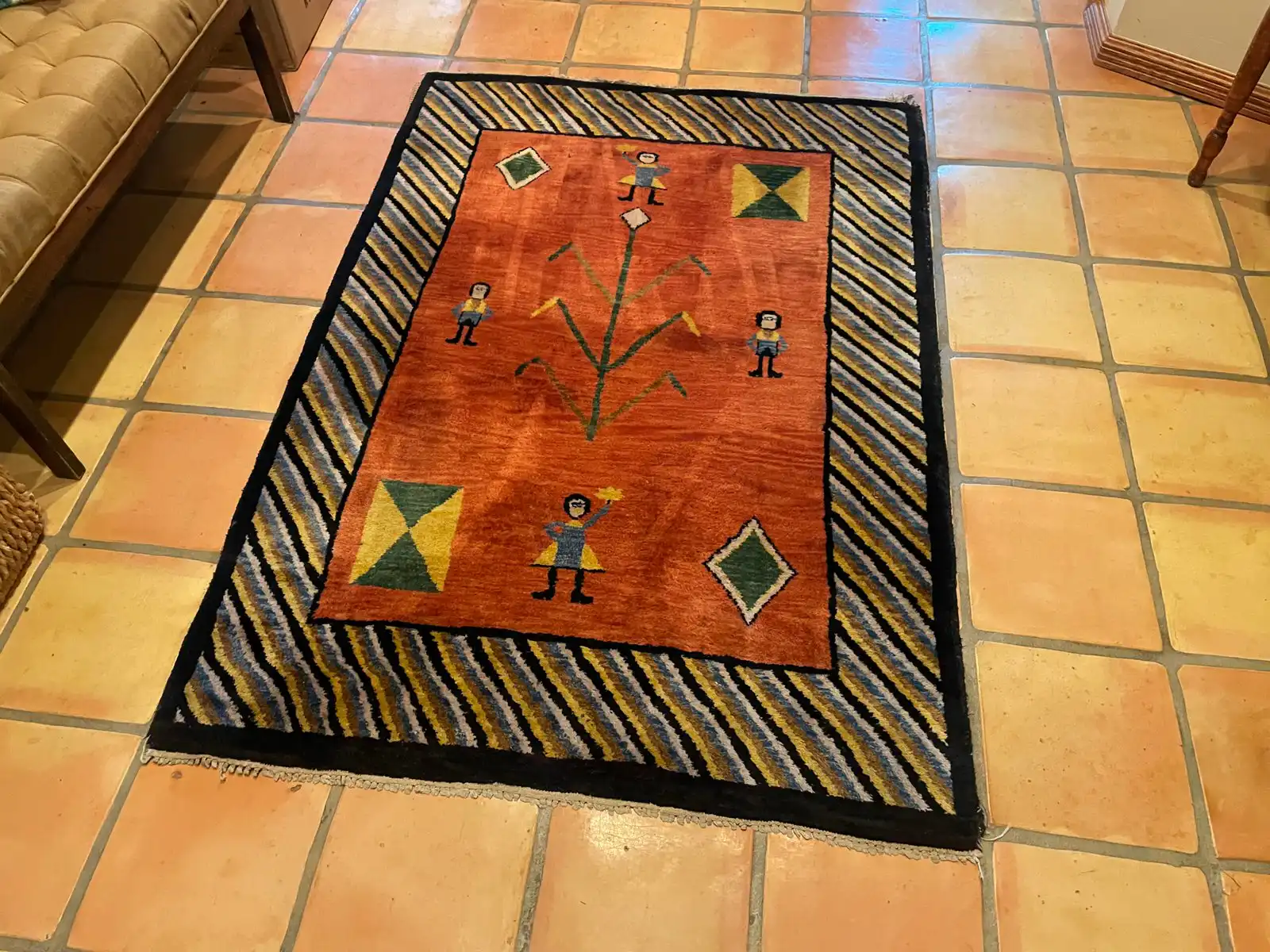
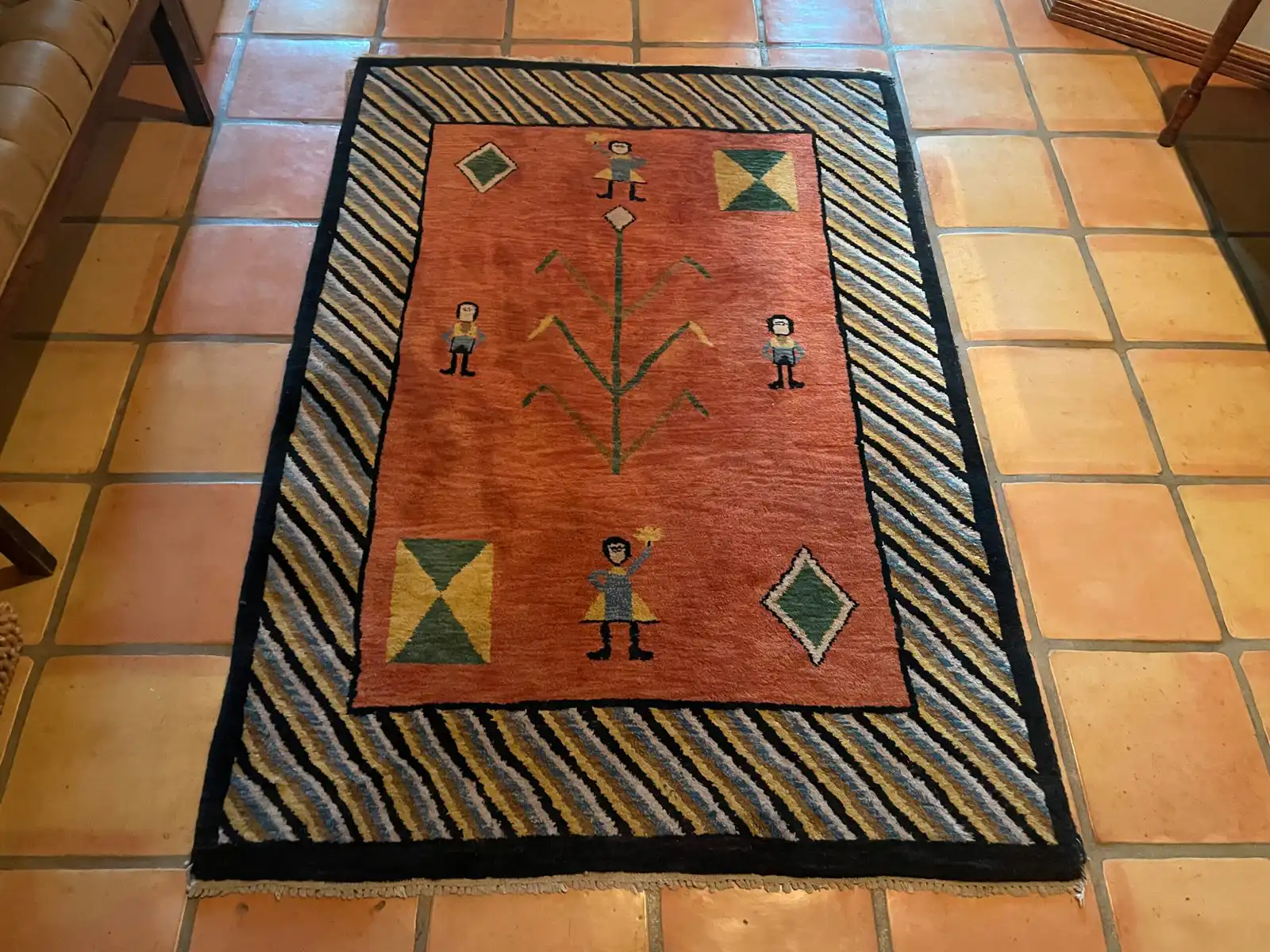
Wool Area Rug Cleaning

Most commercial cleaning products are formulated for synthetic fiber and are too alkaline for wool. Using the wrong chemistry on a wool rug does not just remove the soil. It changes the fiber itself in ways that do not reverse. Owner-operated, pH-safe wool rug cleaning, ~1 hour dry time.

Google
5.0 / 5.0
Google Reviews
Organic
100% Organic
pH-safe citrus-based products
Owner operated
Owner-Operated
Kyle shows up every time
Dry time
~1 Hour Dry Time
Low moisture, no over-wetting
No hidden fees
No Hidden Fees
Price quoted = price paid
Schedule Your Cleaning
Book Your Buckeye Wool Rug Cleaning
Pick a date, build your clean, and confirm - takes about 60 seconds
1Date
/
2Build
/
3Book
Your Clean
$0

When works for you?

Pick a day and time. We'll handle the rest.

Build your clean

Tap a category, then add what you need.

Need commercial cleaning? Call (602) 429-9602 for a custom quote.

Confirm your cleaning

Almost there. Fill in your details and lock in your spot.

📅
Driveway parking available?

Message frequency varies. Msg & data rates may apply. Reply STOP to opt out, HELP for help. Consent is not a condition of purchase. See our Privacy Policy and Terms.

Tap any item above to adjust add-ons or remove it.
✓

You're All Set!

Booking #

Confirmation sent to your email.

What to expect: I'm Kyle, the owner, and I'll be the one showing up. Carpets dry in about 1 hour. Your home will smell like fresh citrus. Safe for kids and pets immediately after cleaning.

Questions? Call or text (602) 429-9602

Need help?(602) 429-9602
Transparent Pricing

No Hidden Fees. No Surprises.

Dye stability testing at multiple zones and pH-appropriate chemistry calibrated to wool fiber are included at no extra charge.

Wool Area Rug
Wool Area Rug
pH-safe chemistry, dye testing included
$100
Per rug
Book Now >
Standard Area Rug
Standard Area Rug
Synthetic or blended fiber rugs
$55
Per rug
Book Now >
Oriental Rug
Oriental Rug
Hand-knotted, full dye zone testing
$135
Per rug
Book Now >

Dry time ~1 hour. Buckeye's low humidity helps wool dry efficiently even with higher natural moisture absorption than synthetic fiber. Prices are set and do not change based on what is found during cleaning.

What Our Customers Say

Real Reviews, Real Results

Posted on Google Google
K B profile picture
K B
Google star 1Google star 2Google star 3Google star 4Google star 5Trustindex verifies that the original source of the review is Google.
I had my sectional couch, my area rug, my bedroom carpets and my dining room chairs cleaned at the same time. Kyle did an excellent job and took his time to make sure that everything was done correctly. Everything looked beautiful when he was done. I would not hesitate to recommend this company to anyone that needs carpets or furniture cleaning in their home.
Posted on Google Google
Kelby Reck profile picture
Kelby Reck
Google star 1Google star 2Google star 3Google star 4Google star 5Trustindex verifies that the original source of the review is Google.
Kyle was incredible. The house smells great, the carpets are as clean as they were when we first moved in. I highly recommend, extremely accommodating, friendly and worth every penny.
Posted on Google Google
Brandy Robbins profile picture
Brandy Robbins
Google star 1Google star 2Google star 3Google star 4Google star 5Trustindex verifies that the original source of the review is Google.
Everything about the experience was exceptional. Kyle was prompt, professional, and very detail oriented. My sofa looked almost like new (it’s a really old sofa and we have a lot of dogs, so that’s nothing short of a miracle) and I loved the fresh, citrus smell. This is the only company I will ever use to get my carpet, rugs, and upholstry cleaned from now on.
Posted on Google Google
Joseph Presta profile picture
Joseph Presta
Google star 1Google star 2Google star 3Google star 4Google star 5Trustindex verifies that the original source of the review is Google.
Excellent job and good price of the service.
Posted on Google Google
Tami Matthews profile picture
Tami Matthews
Google star 1Google star 2Google star 3Google star 4Google star 5Trustindex verifies that the original source of the review is Google.
Kyle is very professional! I had three light grey living room set pieces cleaned. The service was quick and the furniture looks and smells fantastic. 10 out of 10 -highly recommend 😊
Posted on Google Google
Kathryn La Touf profile picture
Kathryn La Touf
Google star 1Google star 2Google star 3Google star 4Google star 5Trustindex verifies that the original source of the review is Google.
Kyle did a great job bringing our area rugs back to life! From pick up, cleaning and delivery he was courteous and professional. Highly recommend.
Posted on Google Google
Jane Dane profile picture
Jane Dane
Google star 1Google star 2Google star 3Google star 4Google star 5Trustindex verifies that the original source of the review is Google.
Excellent job by Kyle. Very professional and thorough. Would hire him again!
Posted on Google Google
Karen Mosakowski profile picture
Karen Mosakowski
Google star 1Google star 2Google star 3Google star 4Google star 5Trustindex verifies that the original source of the review is Google.
Here on time, friendly and did a great job. Thank you!
Posted on Google Google
Ruben Real profile picture
Ruben Real
Google star 1Google star 2Google star 3Google star 4Google star 5Trustindex verifies that the original source of the review is Google.
Kyle was awesome!! Arrived when he said he would and was super nice and easy to talk to. He explained the whole process that was going to go on and did an awesome job on our couches and got ride of the milk bottle smell lol. Will be calling him back for sure 🤙🏼
Posted on Google Google
Alicia Slade profile picture
Alicia Slade
Google star 1Google star 2Google star 3Google star 4Google star 5Trustindex verifies that the original source of the review is Google.
Kyle did an excellent job cleaning our carpet and tile! He was professional, friendly, and very flexible with our schedule, which made the whole process so easy. He took the time to answer our questions and made sure everything was done thoroughly. Our carpet, tile, and grout look fantastic, and we were especially impressed that there wasn't a strong chemical odor afterward. Everything looked fresh and clean without the overwhelming smell that often comes with carpet cleaning. Kyle clearly takes pride in his work, and it shows. We really appreciate his excellent service and would highly recommend him to anyone looking for carpet and tile cleaning!

Wool fiber exists in a mildly acidic pH range. Cleaning it with high-alkaline products does not just remove the soil. It strips the natural oils and disrupts the protein bond structure in ways that are permanent.

About This Service

Why the Chemistry Used on Your Wool Rug Matters More Than Anything Else

There is a specific type of call I get from Buckeye and Verrado homeowners that goes something like this: the rug was cleaned by someone else, it looked clean after the appointment, and then over the next few weeks it started feeling different. Rougher. Coarser. The pile that used to feel soft when walked on barefoot now feels almost scratchy. The color looks correct but something about the texture is off in a way that is hard to describe but immediately noticeable underfoot.

What happened in every one of those situations was the same thing. The rug was cleaned with chemistry that was too alkaline for wool fiber. Most commercial cleaning products and many consumer rug cleaners are formulated at an alkaline pH because alkaline chemistry is effective at breaking down organic soil and is safe for synthetic fibers. Synthetic fiber, nylon, polyester, polypropylene, is chemically stable across a wide pH range. You can clean it with products that sit at pH 10 or 11 and the fiber does not care. Wool is completely different. Wool has a natural chemistry that exists in a mildly acidic range, and cleaning it with high-alkaline products does not just remove the soil. It changes the fiber itself in ways that do not reverse.

I'm Kyle with All Ways Organic. This page covers what alkaline chemistry actually does to wool fiber at the structural level, why it matters specifically in Buckeye's environment where temperature and low humidity compound the effect, and what the right cleaning approach looks like for a wool rug in a Verrado or Buckeye home. If you have a wool rug that has been cleaned before and no longer feels the way it did when it was new, some of what I describe here will explain why.

Why It Matters
Four Things to Know About Wool Before the Next Cleaning
pH
Wool Fiber Has a Natural pH Range That Alkaline Chemistry Disrupts
Wool is a protein fiber made of keratin, the same protein family as human hair. Its chemical bonds are stable in a mildly acidic range, roughly 4.5 to 5.5 pH. When exposed to high-alkaline cleaning chemistry, two things happen simultaneously. The natural oils in the fiber, including lanolin, are converted into soap compounds through saponification and rinse away with the cleaning solution, leaving the fiber surface stripped and rougher. At the same time, high-alkaline pH opens the protein chains in keratin at specific chemical bonds, disrupting the scale structure on the fiber surface. Both of these changes are permanent. The fiber does not recover when the pH returns to neutral after cleaning.
Heat
Buckeye's Heat and Low Humidity Make the Same Wrong Chemistry Do More Damage
Chemical reactions are accelerated by heat. If a wool rug is cleaned with alkaline chemistry in a warm Verrado or Sundance home and left to dry in a room that is not thoroughly air-conditioned, the chemistry remains in contact with the fiber at elevated temperature for the entire drying period. A rug that takes several hours to dry in ambient summer conditions sits with alkaline cleaning solution in the fiber longer and at temperatures that accelerate both saponification and protein bond disruption. Buckeye's low humidity compounds this further because wool in a dry climate is already in a slightly drier, more stressed state than wool in a humid region. Cleaning that also strips the natural oil coating leaves fiber that has lost both its natural moisture retention and its surface oil simultaneously.
pH-safe chemistry
pH-Appropriate Citrus Chemistry Cleans the Wool Without Changing It
The citrus-based solution used here sits in the appropriate pH range for wool, roughly 4.5 to 7.0. The d-limonene component addresses organic soil without relying on alkaline saponification to lift it from the fiber. The encapsulation mechanism surrounds soil particles and holds them for extraction, removing them without requiring the high-pH chemistry that would strip the wool's natural oil coating along with the soil. Before any chemistry goes onto a wool rug, dye stability is tested at multiple points across the rug. Natural dyes used in hand-knotted wool rugs can behave unpredictably when wetted after years of drying. Testing before cleaning eliminates the possibility of resolving the soil problem while creating a dye problem.
Moisture
Moisture Control with Wool Is More Critical Than with Synthetic Fiber
Wool absorbs water readily and takes longer to dry. Over-wetting a wool rug risks browning at the pile base, which happens when moisture wicks up through the fiber carrying dissolved compounds from the backing that oxidize as they dry at the pile surface. The VLM low-moisture approach is specifically appropriate for wool because it applies enough moisture to activate the cleaning chemistry and facilitate extraction without saturating the fiber to the point where over-wetting becomes a concern. In Tartesso and other Buckeye communities where summer interiors can run warm in rooms that are not actively air-conditioned, keeping moisture volume low matters even more for controlling dry time and preventing over-wetting damage.

What Alkaline Chemistry Actually Does to Wool Fiber

Wool is a protein fiber. Each strand is made of keratin, which is the same protein family that makes up human hair and fingernails. The structure of a wool fiber strand is not smooth the way a synthetic fiber strand is. It has a surface covered in overlapping scales along the length of the strand, similar in structure to the scales on a fish. These scales are what give wool its natural crimp, its warmth retention, its softness, and the tactile quality that makes a quality wool rug feel different underfoot from a synthetic rug.

The protein structure of wool sits naturally in a mildly acidic pH range, roughly 4.5 to 5.5. This is the pH at which the chemical bonds that hold the keratin protein chains together are stable and the scale surface maintains its normal physical state. The natural oils in wool fiber, including the lanolin that remains in processed wool in varying amounts depending on how thoroughly the fiber was scoured, contribute to the slightly waxy, soft character of quality wool pile.

When wool fiber is exposed to high-alkaline chemistry, two things happen simultaneously. The first is saponification of the natural oils in the fiber. Alkaline chemistry reacts with fatty acids, including lanolin and other natural wool oils, and converts them into soap compounds that rinse away with the cleaning solution. The oils that give wool its soft, slightly waxy character are removed from the fiber surface in a process that is identical chemically to making soap. After this saponification the fiber surface is stripped of the oil coating that contributed to its soft feel, and the bare fiber surface is rougher and less pleasant underfoot.

The second effect is more structural. High-alkaline pH causes the protein chains in keratin to open at specific chemical bonds. This is the same chemistry that hair relaxers and depilatory creams use: alkaline chemistry deliberately breaks the disulfide bonds in keratin to straighten hair or dissolve it. In wool fiber, the extent of this bond disruption at cleaning pH levels is not as severe as a hair relaxer, but it is enough to change the scale structure of the fiber surface. Scales that were previously smooth and uniform become slightly irregular and rougher, and once this scale damage occurs it does not reverse when the pH returns to neutral. The fiber retains the changed scale structure permanently.

How Buckeye's Climate Compounds Alkaline Damage

The chemical reactions that alkaline chemistry causes in wool fiber are accelerated by heat, a basic principle of chemistry. In Buckeye's climate, where interior home temperatures during the summer months can climb to 85 or 90 degrees in rooms that are not actively air-conditioned, and where the exterior environment is regularly above 110, the thermal environment during and after cleaning matters considerably.

If a wool rug is cleaned with alkaline chemistry in a warm home near Victory at Verrado or along the Sun Valley Parkway corridor and then left to dry in a room that is not thoroughly air-conditioned, the alkaline chemistry remains in contact with the fiber at elevated temperature for the entire drying period. A rug that takes four to six hours to dry in ambient summer conditions is sitting with alkaline cleaning solution in the fiber for four to six hours at temperatures that accelerate the saponification and protein bond disruption that the chemistry causes. The same cleaning product used in a cooler climate with a two-hour dry time does less damage than it does in a warm room with a six-hour dry time, because the reaction has both more time and more thermal energy to work with.

Low humidity compounds this. Wool fiber in Arizona's dry climate is already under moisture stress that does not exist in more humid regions. Wool is hygroscopic: it naturally absorbs and releases moisture from the air around it. In a humid climate wool fiber maintains a natural moisture content that contributes to its suppleness and flexibility. In Buckeye's low-humidity desert environment, wool rugs are continuously losing more moisture to the dry air than they absorb, which means the fiber is already in a slightly drier and more stressed state.

When an already-dry, moisture-stressed wool fiber is cleaned with alkaline chemistry that strips the natural oils as well, the combined effect is a fiber that has lost both its natural moisture retention and its surface oil coating simultaneously. Homeowners who experience this often describe it as the rug feeling like it aged several years from a single cleaning. That description is accurate: alkaline chemistry on wool in Arizona's climate does accelerate the fiber aging process in exactly that way.

How to Tell if a Wool Rug Has Had Alkaline Damage

If you have a wool rug that has been cleaned before and you are wondering whether it received pH-appropriate treatment, a few practical checks tell you something meaningful about the fiber condition without requiring a laboratory analysis.

The texture check is the most direct. Run your hand through the pile against the lay direction in an area of moderate traffic and then do the same in a protected area under furniture or along the edge against a wall. Clean, intact wool fiber has a slightly waxy, soft resistance when you run a hand through it. Alkaline-damaged fiber feels drier and slightly rougher, almost papery at the fiber tips when you press them between your fingers. If the texture feels notably different between trafficked and protected zones, and the protected zone still has that characteristic wool softness while the trafficked zone feels rougher, the trafficked area has some combination of soil accumulation and potential alkaline damage from previous cleaning.

The moisture test is more specific to oil depletion. Take a few drops of plain water and let them fall on the pile in a trafficked area. Intact wool fiber with natural oils present will bead the water slightly before absorbing it, because the natural oil coating on the fiber surface creates mild water repellency. Severely oil-depleted wool absorbs the water almost immediately with no beading at all because there is no surface oil to slow penetration. A significant difference between the water behavior in a trafficked area and a protected area suggests meaningful oil depletion in the trafficked zone.

I had a client near the Festival Foothills area in Buckeye who had a quality wool rug that had been cleaned by a general carpet cleaning service two years earlier. She described the texture change accurately: soft before, noticeably rougher after, and it had not improved in the two years since the cleaning. The fiber check before cleaning confirmed scale damage in the pile in the traffic zones. The pH-appropriate cleaning removed the accumulated soil that had built up since the last cleaning and produced a meaningfully better result, but the scale damage from the previous alkaline exposure did not reverse. The rug was cleaner and the remaining intact fiber was in better condition, but the texture in the damaged zones was not restored to the original feel. That is the honest outcome for alkaline-damaged wool, and knowing it before the cleaning rather than after is the point of the fiber check.

Wool Rugs in the Buckeye Household Context

The wool rugs in Buckeye and Verrado homes span a wide range. In the more established sections of Verrado near the Main Street area, where some of the larger and more established homes sit, quality hand-knotted wool pieces that represent a meaningful investment are common. In newer sections throughout the Verrado build-out, the wool rugs are more commonly quality machine-made pieces from major retail brands: still wool, still deserving of proper care, but with different construction and a different cleaning tolerance than a hand-knotted piece.

Both categories of wool rug are affected by the same pH chemistry concerns, but hand-knotted pieces with natural dyes require more careful pre-cleaning dye testing because their dye systems are older, often less standardized, and more sensitive to pH extremes in both directions. A machine-made wool rug with modern synthetic acid dyes has a more predictable and more stable dye chemistry that responds well to the standard pH-appropriate cleaning approach without the same level of zone-by-zone dye testing that a hand-knotted piece requires.

Buckeye's grit environment affects wool rugs through the same abrasion mechanism described on the carpet cleaning page. Fine angular mineral particles embedded in wool pile grind against the fiber surface with every footstep. Wool fiber's scale structure makes it somewhat more resistant to abrasion than a smooth synthetic fiber but not immune. In a home near active construction zones along Jackrabbit Trail or in newer sections of Verrado where phases are still being built, the grit load in a wool rug accumulates faster than it would in a fully built-out neighborhood. More frequent professional cleaning at the shorter end of the recommended interval keeps the abrasive grit from accumulating to a level where it compounds any existing scale damage.

Dogs are very common in Buckeye and Verrado homes and their interaction with wool rugs creates a specific soil profile. Paw pad oils, dander, and hair all work into the wool pile through the scale-interlocking mechanism. The Buckeye context adds the trail and outdoor access component: dogs that have been on desert trails near the White Tank Mountains or in backyards adjacent to open land carry mineral grit on their paws that works into the wool pile base. The combination of pet hair embedding and mineral grit abrasion in the lower pile makes wool rugs in active Buckeye pet households a case where the cleaning interval should lean shorter than for a rug without pet contact.

Honest Expectations: What pH-Correct Cleaning Accomplishes

pH-correct cleaning of a wool rug that has been properly maintained removes the accumulated soil from the pile, restores color clarity and visual depth, and leaves the fiber in the same physical condition it was in before the cleaning. In a rug that has been cleaned previously with pH-appropriate chemistry, this means the cleaning result is a return to the pre-soil condition of the fiber: clean, soft, and with whatever visual quality the pile had before the soil accumulated.

For a rug that has been cleaned with alkaline chemistry in the past, the expectation is different. Cleaning removes the current soil accumulation and cleans the fiber that is currently intact. It does not restore scale structure that has been permanently changed by previous alkaline exposure. The rug will look better after a proper pH-correct cleaning because the soil is gone. The areas of the pile that experienced scale damage from previous cleaning will remain slightly rougher in texture than they were when the rug was new, because the fiber change is structural rather than soil-driven.

Color recovery after cleaning depends on how much of the color suppression was from soil versus how much was from dye change. Soil accumulation suppresses color by coating the fiber surface and reducing how clearly the dye color is visible. Cleaning removes that coating and the color becomes more vivid. UV dye degradation and alkaline dye chemistry disruption are different: those change the dye itself rather than coating it, and those changes do not reverse with cleaning. For most wool rugs that have been properly protected from direct sun, the color recovery after a good cleaning is significant.

The pre-cleaning fiber check and dye stability test happen before anything starts. If the rug has significant prior alkaline damage, that is communicated before cleaning begins so expectations are calibrated appropriately. If the rug is in good condition, the result will be close to what the rug looked like when it was newer.

Learn more about our area rug cleaning, or explore other cleaning services we offer in Buckeye.
Protecting a Wool Rug in a Buckeye Home Between Professional Cleanings
  • Never apply consumer cleaning products to a wool rug without checking the pH first. Most consumer spot cleaners sit at an alkaline pH because they are formulated for synthetic fiber. For a fresh spill, plain cold water blotted gently with a clean white cloth is the safest first response. Cold water does not trigger the protein bond changes that warm alkaline chemistry does, and blotting rather than rubbing avoids spreading the spill and disrupting the scale structure mechanically.
  • For any spill that requires more than plain water, dilute white vinegar at one part vinegar to ten parts water is a safe mildly acidic treatment for fresh protein and tannin staining on wool. Apply sparingly, blot thoroughly, and allow to dry completely. This is a first-response tool for fresh spills, not a substitute for professional cleaning.
  • Rotate the rug every four to six months. In Buckeye's high-UV environment this is particularly important for any wool rug that receives afternoon sun through a west or south-facing window. UV dye degradation in wool progresses faster in concentrated zones than it would if the exposure were distributed across the full rug surface through rotation. Rotation also distributes the grit abrasion from foot traffic across different sections of the pile, preventing concentrated scale damage in fixed traffic zones.
  • Vacuum wool rugs with a suction-only setting or a low-speed brush setting. Aggressive beater bar vacuuming on wool damages the scale structure mechanically in the same way that alkaline chemistry damages it chemically. For a wool rug in a high-grit Buckeye home, weekly vacuuming on the correct setting keeps the surface layer of desert and construction particulate from working into the pile base between professional cleanings.
  • Professional cleaning every 12 to 18 months with a pH-appropriate process is the right interval for a wool rug in regular daily use. Active pet households should lean toward 12 months. Rugs in lower-traffic rooms can go to 18 months. The key is that each cleaning uses chemistry that does not change the fiber, so the rug accumulates the benefits of regular cleaning without cumulative alkaline damage.
Common Questions

FAQs About Buckeye Wool Area Rug Cleaning

If the texture change happened after a professional cleaning, alkaline chemistry damage is the most likely cause. The roughness is the result of natural oils being stripped from the fiber surface and the scale structure being disrupted by high-pH cleaning chemistry. Use is rarely the cause of this specific type of texture change: grit abrasion from heavy foot traffic can cause a similar roughness but it develops gradually over many years, not noticeably after a single cleaning event. A proper pH-correct cleaning going forward stops the process from getting worse and addresses the accumulated soil on whatever intact fiber remains.

Partially. A proper pH-correct cleaning removes the soil accumulation and leaves the intact fiber in its best current condition. Some specialist wool rug restorers offer fiber conditioning treatments that partially restore oil content to wool that has been stripped by alkaline cleaning, and for high-value pieces that treatment may be worth exploring. For most standard wool rugs the realistic outcome is that the rug is cleaner and the intact fiber feels as it should, but the areas of most severe scale damage will retain some roughness because the structural change to the fiber is permanent rather than soil-driven.

The simplest thing to do is ask. A professional cleaner who understands wool should be able to tell you the approximate pH range of the products they use on wool without hesitation. If they are using a standard commercial cleaning product that they also use on synthetic carpet, that product is almost certainly too alkaline for wool. If they are using a wool-specific or pH-neutral product, they should know the pH range and be able to tell you. If they cannot answer the question or give you a vague answer, that is a meaningful signal about their familiarity with wool care requirements.

Yes, those areas are within my Buckeye service area. Festival Foothills and the communities along the Jackrabbit Trail corridor are areas I service regularly for both carpet and rug cleaning. The wool rug situation in those neighborhoods often involves the same active household profile, dogs, pool access, outdoor use, that makes the grit and pet dander situation in wool pile particularly relevant. The same pH-appropriate cleaning approach applies regardless of which part of Buckeye the home is in.

Most store-bought cleaners labeled for wool are safer than standard carpet cleaners but still worth checking before applying. Look for a product that specifically states a neutral or mildly acidic pH, ideally between 5 and 7. Avoid anything that lists sodium carbonate, sodium metasilicate, or borax in the ingredients because those are alkaline compounds. When in doubt, plain cold water blotting for fresh spills is the safest immediate response. Dilute white vinegar at a one-to-ten ratio with water is a safe mildly acidic option for fresh protein or tannin spills. Neither is a substitute for professional cleaning but both are safe for wool fiber in ways that most commercial spot cleaners are not.

Both are possible sources. Wool fiber contains natural compounds that can produce a characteristic smell when wet, including lanolin and other natural wool oils reacting to moisture. This is normal and dissipates as the rug dries. If the smell is more chemical than organic, or if it persists after the rug has fully dried, residual cleaning product in the fiber is the more likely cause. High-alkaline cleaning products that have not been fully rinsed from the fiber leave residue that can produce a chemical odor when reactivated by monsoon humidity. A proper professional cleaning that uses pH-appropriate chemistry and thorough extraction resolves the residue issue and the associated odor.

The pH chemistry requirements are the same for both: wool is wool and the fiber response to alkaline chemistry is the same regardless of how the rug was constructed. The differences are in dye testing and agitation approach. Hand-knotted rugs with natural or early synthetic dyes require more extensive dye stability testing at multiple color zones before cleaning, because the dye chemistry is older and less standardized. Machine-made wool rugs with modern acid dyes are more predictable. Agitation levels are also different: hand-knotted rugs with denser pile and natural fiber foundations require more careful mechanical handling than machine-made rugs with more uniform construction.

With active dog use and trail access, every 12 months is the right interval. The combination of paw pad oil and mineral grit from trail surfaces working into the wool pile base means the soil load builds faster than in a rug without pet contact. pH-correct cleaning at a 12-month interval keeps the grit from accumulating to the level where abrasion becomes a concern and keeps the organic soil from oxidizing into more tenacious compounds in the pile. Stretching to 18 months with that household profile risks allowing the grit abrasion to progress meaningfully and the organic soil to polymerize in a way that requires more aggressive chemistry to address, which then puts the pH integrity of the cleaning at greater risk.

Ready to Clean Your Wool Rug?
Dye testing included - pH-safe chemistry - Pay after you're happy
What Our Customers Say

Real Reviews, Real Results

Posted on Google Google
K B profile picture
K B
Google star 1Google star 2Google star 3Google star 4Google star 5Trustindex verifies that the original source of the review is Google.
I had my sectional couch, my area rug, my bedroom carpets and my dining room chairs cleaned at the same time. Kyle did an excellent job and took his time to make sure that everything was done correctly. Everything looked beautiful when he was done. I would not hesitate to recommend this company to anyone that needs carpets or furniture cleaning in their home.
Posted on Google Google
Kelby Reck profile picture
Kelby Reck
Google star 1Google star 2Google star 3Google star 4Google star 5Trustindex verifies that the original source of the review is Google.
Kyle was incredible. The house smells great, the carpets are as clean as they were when we first moved in. I highly recommend, extremely accommodating, friendly and worth every penny.
Posted on Google Google
Brandy Robbins profile picture
Brandy Robbins
Google star 1Google star 2Google star 3Google star 4Google star 5Trustindex verifies that the original source of the review is Google.
Everything about the experience was exceptional. Kyle was prompt, professional, and very detail oriented. My sofa looked almost like new (it’s a really old sofa and we have a lot of dogs, so that’s nothing short of a miracle) and I loved the fresh, citrus smell. This is the only company I will ever use to get my carpet, rugs, and upholstry cleaned from now on.
Posted on Google Google
Joseph Presta profile picture
Joseph Presta
Google star 1Google star 2Google star 3Google star 4Google star 5Trustindex verifies that the original source of the review is Google.
Excellent job and good price of the service.
Posted on Google Google
Tami Matthews profile picture
Tami Matthews
Google star 1Google star 2Google star 3Google star 4Google star 5Trustindex verifies that the original source of the review is Google.
Kyle is very professional! I had three light grey living room set pieces cleaned. The service was quick and the furniture looks and smells fantastic. 10 out of 10 -highly recommend 😊
Posted on Google Google
Kathryn La Touf profile picture
Kathryn La Touf
Google star 1Google star 2Google star 3Google star 4Google star 5Trustindex verifies that the original source of the review is Google.
Kyle did a great job bringing our area rugs back to life! From pick up, cleaning and delivery he was courteous and professional. Highly recommend.
Posted on Google Google
Jane Dane profile picture
Jane Dane
Google star 1Google star 2Google star 3Google star 4Google star 5Trustindex verifies that the original source of the review is Google.
Excellent job by Kyle. Very professional and thorough. Would hire him again!
Posted on Google Google
Karen Mosakowski profile picture
Karen Mosakowski
Google star 1Google star 2Google star 3Google star 4Google star 5Trustindex verifies that the original source of the review is Google.
Here on time, friendly and did a great job. Thank you!
Posted on Google Google
Ruben Real profile picture
Ruben Real
Google star 1Google star 2Google star 3Google star 4Google star 5Trustindex verifies that the original source of the review is Google.
Kyle was awesome!! Arrived when he said he would and was super nice and easy to talk to. He explained the whole process that was going to go on and did an awesome job on our couches and got ride of the milk bottle smell lol. Will be calling him back for sure 🤙🏼
Posted on Google Google
Alicia Slade profile picture
Alicia Slade
Google star 1Google star 2Google star 3Google star 4Google star 5Trustindex verifies that the original source of the review is Google.
Kyle did an excellent job cleaning our carpet and tile! He was professional, friendly, and very flexible with our schedule, which made the whole process so easy. He took the time to answer our questions and made sure everything was done thoroughly. Our carpet, tile, and grout look fantastic, and we were especially impressed that there wasn't a strong chemical odor afterward. Everything looked fresh and clean without the overwhelming smell that often comes with carpet cleaning. Kyle clearly takes pride in his work, and it shows. We really appreciate his excellent service and would highly recommend him to anyone looking for carpet and tile cleaning!
All Buckeye Services
What We Clean in Buckeye
All 14
Carpet
Upholstery
Area Rugs
Tile & Commercial
Decorative desert cactus illustration growing from the desert floor