All Ways Organic Citrus Carpet & Upholstery Cleaning - Home
🇺🇸 Made in USA
🍋 Citrus Based
🌵 Eco-Friendly
Hours
Mon – Sat
7AM – 7PM
Book Online
Book
Online
📍 Serving the Greater Phoenix Valley
🕐 Mon – Sat  7AM – 7PM
👨‍👩‍👧‍👦 Family Owned & Operated
🇺🇸 Made in USA
🍋 Citrus Based
🌵 Eco-Friendly
Book Online
Loveseat Cleaning in Youngtown Arizona - All Ways Organic
Youngtown, Arizona

Youngtown AZ
Loveseat Cleaning

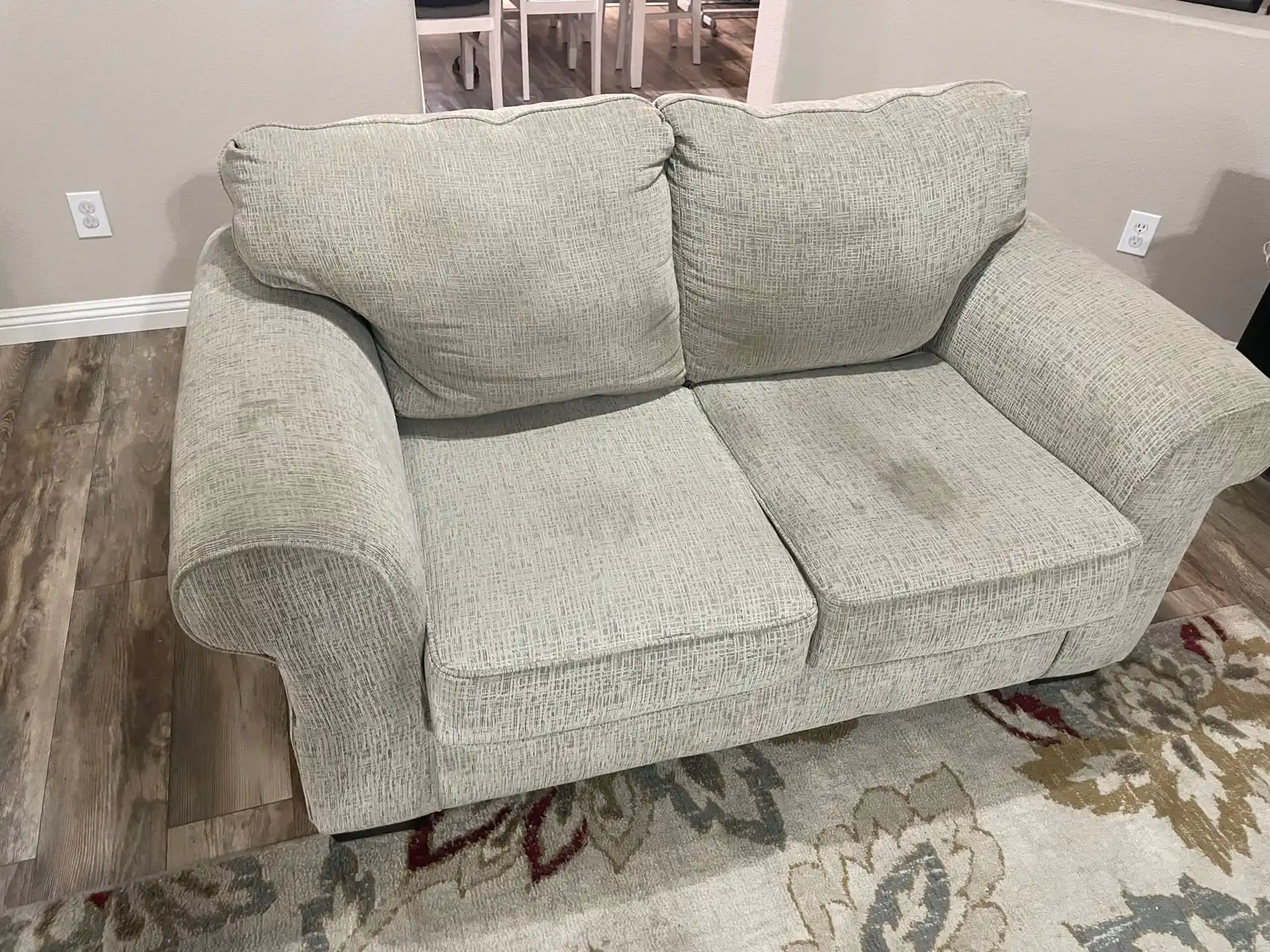
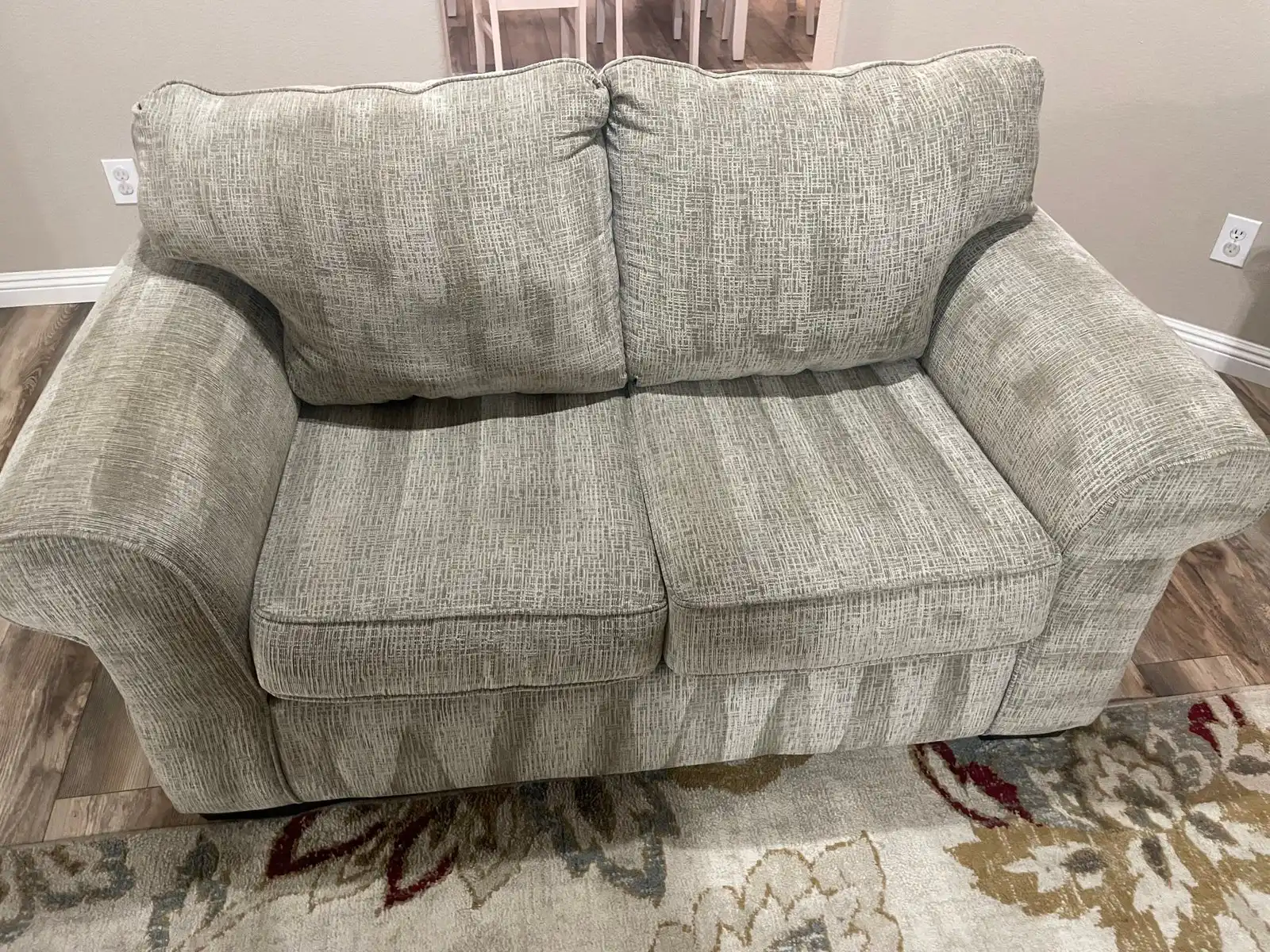
Light-colored and cream loveseats are common in Youngtown homes, working well against the neutral walls and warm desert tones of the older homes throughout Agua Fria Ranch, Suntown Estates, and the neighborhoods along 111th Ave and Peoria Ave. And in nearly every home where a light loveseat gets daily use, the same gradual problem develops: a blue or gray tint on the seat cushion surfaces and back cushion contact zones. This is clothing dye transfer, the migration of dye from dark clothing onto light upholstery through friction and warmth during normal seated contact. It looks like soil accumulation but it is not soil. It is deposited dye from jeans, dark leggings, and other clothing with unstable or excess dye.

Google
5.0 / 5.0
Google Reviews
Organic
100% Organic
Citrus-based products
Owner operated
Owner-Operated
Kyle shows up every time
Quick dry
~1-Hr Dry Time
Low-moisture process
No hidden fees
No Hidden Fees
Price quoted = price paid
Schedule Your Cleaning
Book Your Youngtown Loveseat Cleaning
Pick a date, build your clean, and confirm - takes about 60 seconds
1Date
/
2Build
/
3Book
Your Clean
$0

When works for you?

Pick a day and time. We'll handle the rest.

Build your clean

Tap a category, then add what you need.

Need commercial cleaning? Call (602) 429-9602 for a custom quote.

Confirm your cleaning

Almost there. Fill in your details and lock in your spot.

📅
Driveway parking available?
Tap any item above to adjust add-ons or remove it.

You're All Set!

Booking #

Confirmation sent to your email.

What to expect: I'm Kyle, the owner, and I'll be the one showing up. Carpets dry in about 1 hour. Your home will smell like fresh citrus. Safe for kids and pets immediately after cleaning.

Questions? Call or text (602) 429-9602

Need help?(602) 429-9602
SMS Consent: By providing your phone number when booking, you consent to receive appointment reminders and follow-up messages via SMS from All Ways Organic. Msg frequency varies. Msg & data rates may apply. Reply STOP to opt out at any time. Privacy Policy · Terms
Transparent Pricing

No Hidden Fees. No Surprises.

The price you see is the price you pay. Dye transfer assessment, fabric dye stability testing, solvent pre-treatment for dye release, and honest outcome discussion included.

Recliner Cleaning
Recliner
All surfaces, headrest and arms
$45
per recliner
Book Now >
Loveseat Cleaning
Loveseat
Two-cushion, all surfaces cleaned
$75
per loveseat
Book Now >
3 Seat Sofa Cleaning
3 Seat Sofa
Three-cushion, all surfaces cleaned
$125
per sofa
Book Now >
Optional Upgrade Treatments
Available at checkout to customize your cleaning
Deodorizer
Deodorizer
Extra odor elimination for a deeper fresh
High Traffic
High Traffic
Targeted treatment for heavy-wear areas
Pet Treatment
Pet Treatment
Neutralizes pet odors at the source
What Our Customers Say

Real Reviews, Real Results

"The blue-gray tint on your cream loveseat isn't dirt. It's indigo dye from denim jeans that has migrated onto the upholstery fiber through friction and warmth during normal seated contact."

About This Service

How Clothing Dye Transfers to Light Upholstery Fabric

Clothing dye transfer is not a dramatic event. It doesn't happen from a single sitting and doesn't leave a defined stain mark the way a spill does. It is a gradual accumulation that occurs over many hours of contact between dark clothing and light upholstery, depositing small amounts of dye with each contact event until the accumulated load becomes visually apparent.

The transfer involves two factors acting together: friction and moisture. Friction between clothing and upholstery during normal sitting movements physically transfers dye molecules from the clothing fiber to the upholstery fiber. Moisture from perspiration and the warmth of extended sitting increases dye mobility in the clothing fiber. In Youngtown's warm months when air conditioning isn't running at maximum, the combination of friction and moisture during seated contact creates favorable conditions for dye migration.

New dark jeans are the most notorious source because indigo bonds to denim fiber through physical rather than chemical attachment, releasing through friction relatively easily. The excess indigo that leaves blue on hands, car seats, and light furniture is the same dye that transfers to loveseat fabric. Over weeks and months of daily use in Cooks Corners and Youngtown Park households where dark denim is regularly worn, the deposited dye builds to a clearly visible blue-gray tint concentrated in the primary seating contact zones.

Why It Matters
How to Identify Dye Transfer vs Soil
Color
Color Character Is the First Indicator
General soil produces gray-brown or tan discoloration. Denim dye transfer produces a distinctly blue or blue-gray tone. Dark synthetic clothing transfer produces gray that can be harder to distinguish by color alone. Any blue or blue-gray quality on light upholstery is almost certainly transferred indigo dye rather than soil.
Pattern
Location Pattern Confirms the Diagnosis
Soil distributes relatively uniformly across all contact zones. Dye transfer concentrates in specific zones where clothing makes direct contact: seat cushion centers, back cushions at shoulder height, armrests. There may be a relatively sharp boundary between dye-affected and unaffected zones that soil wouldn't produce.
Audit
The Household Clothing Audit
Ask who sits on the loveseat most and what they typically wear. Regular dark denim, dark leggings, or dark-colored clothing strongly confirms dye transfer. Light-colored clothing makes dye transfer less likely and points to general soil or another cause instead.
White Cloth
The White Cloth Transfer Test
Dampen the affected area slightly and press a clean white cloth firmly for 10 seconds. Blue or gray color transferring to the cloth confirms deposited dye. General brownish-gray transfer confirms soil accumulation. A clean cloth from a visibly discolored area suggests permanent fabric discoloration rather than a removable deposit.

Which Clothing Items Cause the Most Transfer

Dark denim is the highest-transfer item. Denim uses a ring-dyeing process where only the outer layer of each cotton fiber is dyed indigo while the interior remains undyed. This surface-level attachment means indigo releases through friction more easily than fully penetrating dyes. New unwashed jeans retain the most excess surface indigo and transfer most aggressively. Heavily washed older denim has released most of its excess through repeated laundering.

Dark synthetic leggings and athletic wear can transfer disperse dyes that haven't been completely fixed during manufacturing. The tight fit and extended seated contact create more total contact area for transfer than looser clothing. Bright-colored garments in red, orange, or fuchsia transfer as visibly as dark garments, producing distinctive non-brown tones on cream fabric. Garments worn while still damp, whether from laundry or perspiration, transfer most aggressively because moisture increases dye mobility. In homes throughout Alabama Ave and Olive Ave where extended sitting in warm conditions is common, perspiration is a real transfer accelerant.

What Cleaning Can Achieve by Transfer Duration

Fresh transfer from days to a few weeks responds very well to solvent pre-treatment. The dye hasn't had time to develop strong secondary bonds with the upholstery fiber. Professional treatment produces good to excellent results. The sooner transfer is addressed after it becomes apparent, the better the outcome.

Moderate transfer from weeks to a few months requires more intensive chemistry and extended dwell times. The result is typically meaningful improvement rather than complete elimination: discoloration substantially reduced, the loveseat looks significantly better, but trace staining in the deepest contact zones may remain detectable in close examination.

Long-term transfer from many months to years has had extended time to bond deeply. Some transferred dye has effectively become part of the fiber's color at the contact zones. Cleaning produces noticeable improvement rather than complete restoration. The honest expectation for long-term heavy transfer on light loveseats throughout Grand Ave and River Heights is a better condition rather than original condition.

The Professional Treatment Process

Pre-cleaning assessment establishes extent, duration, and primary clothing source. Fabric fiber identification determines solvent chemistry selection, as polyester responds differently than cotton or microfiber. The critical precaution: the fabric's own dye must be tested for solvent stability on an inconspicuous area before visible zones are treated. If the fabric's own dye is stable, full treatment proceeds. If it releases, a gentler approach is used.

Solvent pre-treatment specifically for dye release is applied to affected zones with 15 to 20 minutes dwell time for moderate to long-term transfer. This is different chemistry from the enzyme and degreaser used for organic soil. Multiple extraction passes ensure dissolved dye is completely removed rather than redistributed within the fabric as the solvent evaporates. Post-treatment assessment in raking light reveals whether residual transfer remains at depth for a second treatment pass.

Preventing Future Dye Transfer

Washing dark garments, particularly new dark denim, before wearing them on light upholstery dramatically reduces transfer risk. Jeans washed five or more times have lost most excess surface indigo. A washable throw over primary seating positions intercepts clothing contact before it reaches the upholstery. Fabric protector applied after professional cleaning creates a barrier that slows dye penetration into the fiber depth, making any transfer that does occur easier to address at the next cleaning.

The simple rub test on white paper before first wearing any new dark garment identifies high-transfer clothing in 30 seconds. Professional cleaning every 12 months maintains dye transfer at the fresh-to-moderate stage where solvent treatment produces the most complete results throughout Agua Fria Ranch, Suntown Estates, and surrounding Youngtown neighborhoods.

Dye Transfer Treatment Uses Different Chemistry Than Standard Cleaning

Solvent chemistry for dye release is a different approach from the enzyme and degreaser chemistry used for general soil. The fabric's own dye is tested for solvent stability before any treatment of visible zones. The honest pre-cleaning discussion covers expected results based on transfer duration and fiber type. You'll know what improvement is achievable before any work begins.

Learn more about our upholstery cleaning services, or explore other cleaning services we offer in Youngtown.

Common Questions

FAQs About Youngtown Loveseat Cleaning

Almost certainly clothing dye transfer, specifically indigo from denim jeans migrating onto your light upholstery through friction and warmth. General soil produces gray-brown or tan discoloration, not the distinctly blue or blue-gray tone of indigo transfer. The location concentrated where people sit rather than uniformly across the fabric is also characteristic of dye transfer. Professional solvent treatment produces good results on denim transfer, particularly when addressed before it has had months to deeply bond to the fiber.

Three checks. The color: blue or blue-gray for denim, distinctly different from gray-brown soil. The location: concentrated in specific clothing contact zones rather than uniformly distributed. The household clothing audit: do regular sitters wear dark denim or dark clothing? The white cloth test also helps: dampen the area slightly and press a clean white cloth against it. Blue or gray color transferring to the cloth confirms deposited dye.

Only if the care tag confirms they're machine washable, and many upholstery fabrics are not designed for machine washing. Home washing doesn't provide the controlled solvent chemistry and targeted extraction that professional treatment does. For non-washable covers, which is most upholstery fabric, professional spot treatment and full cleaning is the appropriate approach.

Not technically a defect. New jeans retain significant excess surface indigo from manufacturing. Most denim manufacturers implicitly acknowledge this by recommending washing before first wear. Washing new dark denim two to three times removes most excess surface indigo and dramatically reduces transfer risk. The fresh denim transfer on your loveseat is a real and removable condition, and professional solvent treatment on fresh indigo transfer typically produces excellent results.

Partially, with honest expectations. Long-term transfer has had time to develop deeper bonds with the fiber. Surface dye that hasn't deeply bonded is removable and produces significant visible improvement, but the most deeply penetrated dye may have effectively become part of the fiber's color at the core contact zones. The result is meaningful improvement rather than complete restoration. The pre-cleaning assessment and solvent test give a good indication of achievable improvement before treatment begins.

It reduces the rate of penetration rather than preventing all transfer. Protector creates a surface barrier that slows dye from reaching the fiber depth. Transferred dye that stays near the surface is more responsive to cleaning and doesn't bond as strongly. Protector combined with a throw cover on primary seating positions gives the most comprehensive protection between professional cleanings.

Yes. Rub the new garment firmly against white paper or a clean white cloth in an area that will contact the furniture. Significant color transfer means the garment has excess transferable dye and should be washed before being worn on light furniture. New dark denim almost always shows significant transfer. This takes 30 seconds and can be done before the first wearing of any new dark garment.

Every 12 months for a light loveseat in active daily use with regular dark clothing wear. Annual cleaning maintains dye transfer at the fresh-to-moderate stage where solvent treatment produces the most complete results. Allowing transfer to accumulate for two or more years pushes it into the long-term deeply-bonded range where cleaning produces partial rather than complete improvement.

Blue-Gray Tint on Your Light Loveseat? Solvent Chemistry Removes What Standard Cleaning Leaves.
Same-week availability - No hidden fees - Dye transfer assessment and fabric stability testing included
What Our Customers Say

Real Reviews, Real Results

All Youngtown Services
What We Clean in Youngtown
All 14
Carpet
Upholstery
Area Rugs
Tile & Commercial
Decorative desert cactus illustration growing from the desert floor