All Ways Organic Citrus Carpet & Upholstery Cleaning - Home
🇺🇸 Made in USA
🍋 Citrus Based
🌵 Eco-Friendly
Hours
Mon – Sat
7AM – 7PM
Book Online
Book
Online
📍 Serving the Greater Phoenix Valley
🕐 Mon – Sat  7AM – 7PM
👨‍👩‍👧‍👦 Family Owned & Operated
🇺🇸 Made in USA
🍋 Citrus Based
🌵 Eco-Friendly
Book Online
Dining Room Chair Cleaning in Youngtown Arizona - All Ways Organic
Youngtown, Arizona

Youngtown AZ
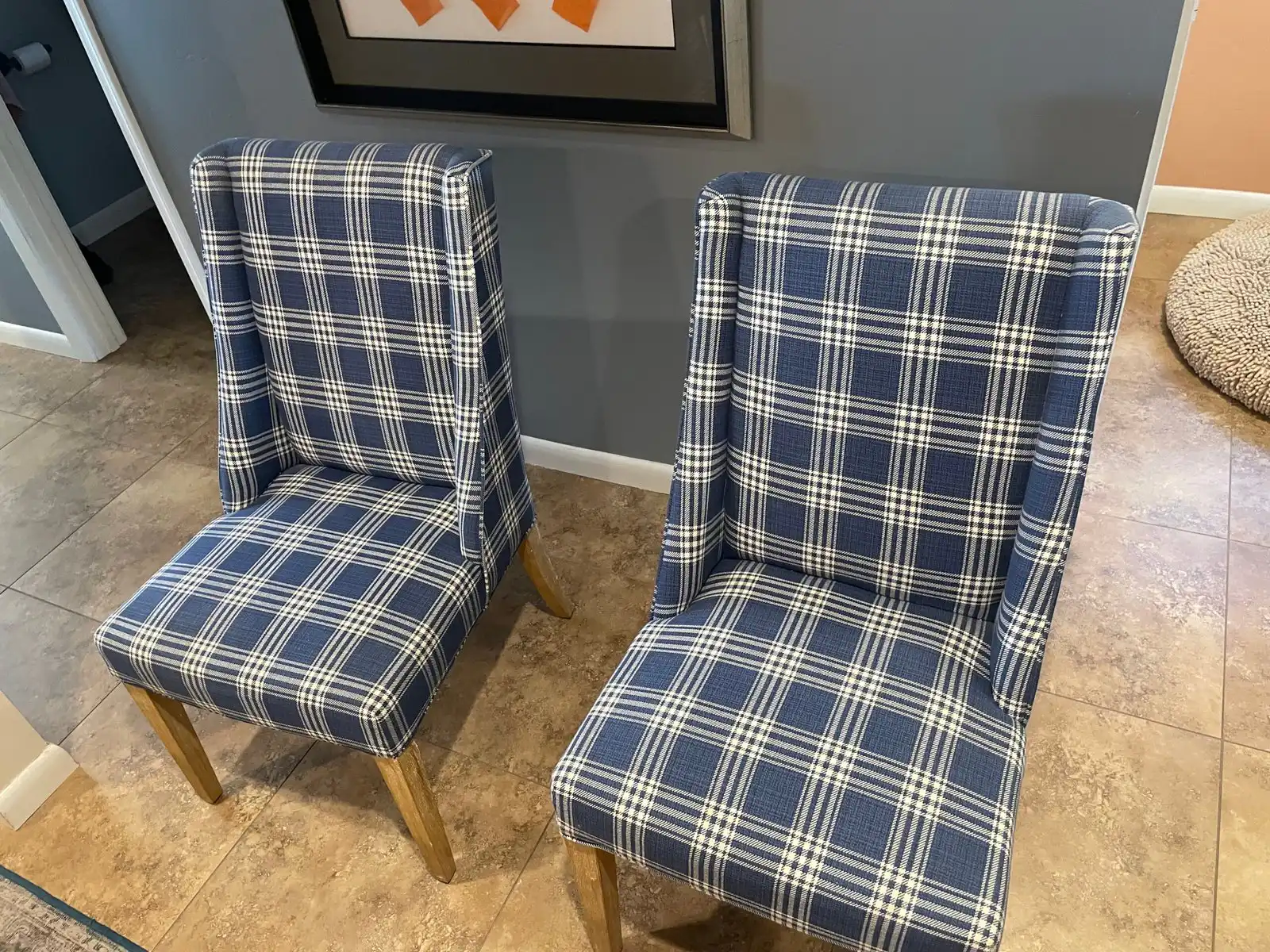
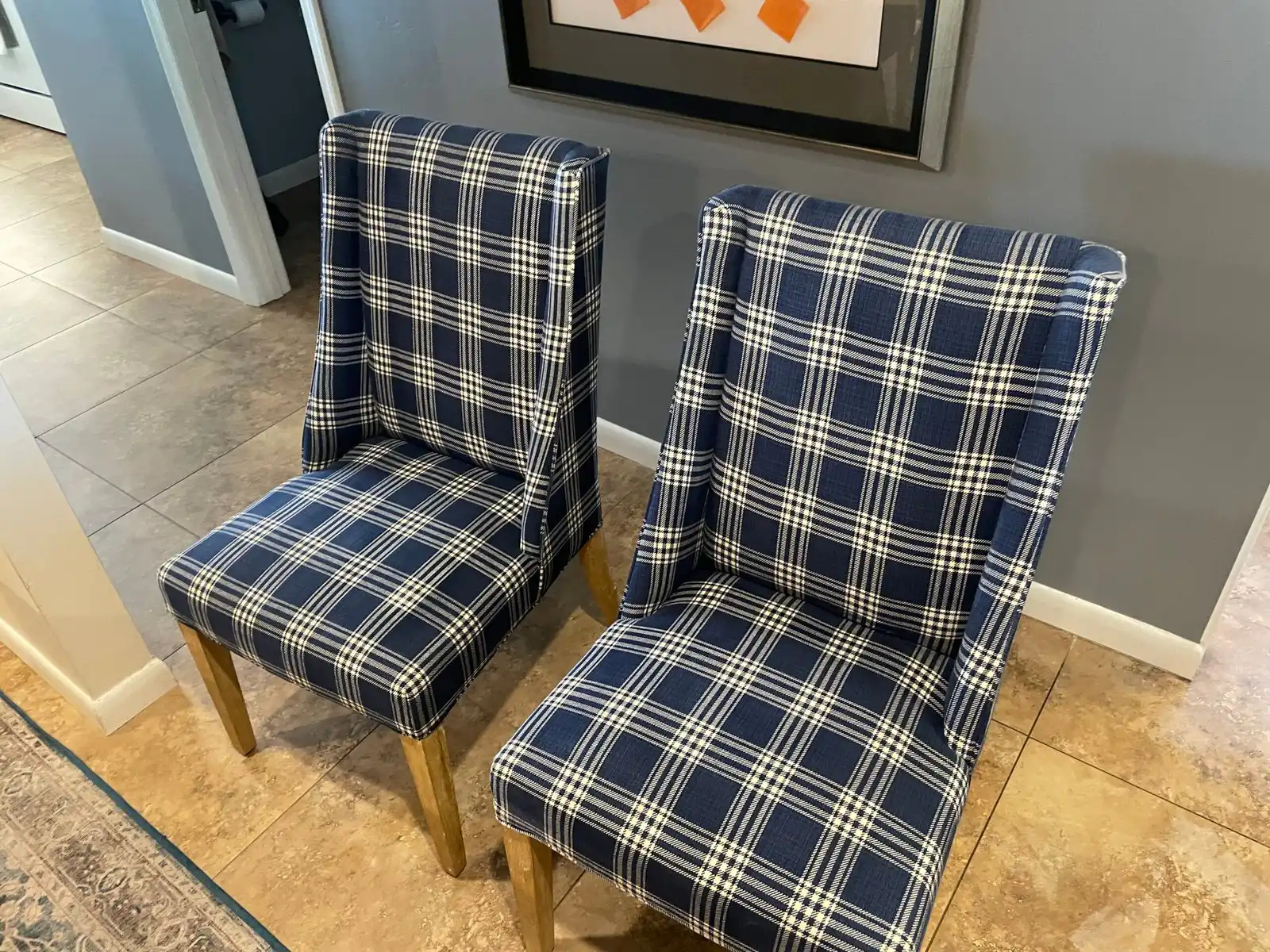
Dining Room Chair Cleaning

Dining chairs in Youngtown's older homes sit close to cooking activity in smaller kitchen and dining configurations. The compact floor plans of established neighborhoods along Peoria Ave, Alabama Ave, and throughout Agua Fria Ranch and Suntown Estates put dining tables near stovetops in ways that newer open-plan construction spreads apart. Years of cooking in close proximity deposits oil on chair fabric and frames continuously. But cooking oil that has been on surfaces for months or years is not the same material as fresh oil. It has polymerized, undergone a chemical change that converts it from a fluid oil into a semi-solid, varnish-like compound that bonds with completely different strength and does not respond to the cleaning chemistry appropriate for fresh oil.

Google
5.0 / 5.0
Google Reviews
Organic
100% Organic
Citrus-based products
Owner operated
Owner-Operated
Kyle shows up every time
Quick dry
~1-Hr Dry Time
Low-moisture process
No hidden fees
No Hidden Fees
Price quoted = price paid
Schedule Your Cleaning
Book Your Youngtown Dining Chair Cleaning
Pick a date, build your clean, and confirm - takes about 60 seconds
1Date
/
2Build
/
3Book
Your Clean
$0

When works for you?

Pick a day and time. We'll handle the rest.

Build your clean

Tap a category, then add what you need.

Need commercial cleaning? Call (602) 429-9602 for a custom quote.

Confirm your cleaning

Almost there. Fill in your details and lock in your spot.

📅
Driveway parking available?
Tap any item above to adjust add-ons or remove it.

You're All Set!

Booking #

Confirmation sent to your email.

What to expect: I'm Kyle, the owner, and I'll be the one showing up. Carpets dry in about 1 hour. Your home will smell like fresh citrus. Safe for kids and pets immediately after cleaning.

Questions? Call or text (602) 429-9602

Need help?(602) 429-9602
SMS Consent: By providing your phone number when booking, you consent to receive appointment reminders and follow-up messages via SMS from All Ways Organic. Msg frequency varies. Msg & data rates may apply. Reply STOP to opt out at any time. Privacy Policy · Terms
Transparent Pricing

No Hidden Fees. No Surprises.

The price you see is the price you pay. Polymerized oil solvent treatment, chair frame cleaning, extended dwell for heavy deposits, and proximity assessment all included.

Single Dining Chair
Per Chair
Single dining chair, all surfaces cleaned
$10
per chair
Book Now >
Set of 4 Dining Chairs
Set of 4
Four dining chairs, full set consistency
$40
per set
Book Now >
Set of 6 Dining Chairs
Set of 6
Six dining chairs, full set consistency
$60
per set
Book Now >
Optional Upgrade Treatments
Available at checkout to customize your cleaning
Deodorizer
Deodorizer
Extra odor elimination for a deeper fresh
High Traffic
High Traffic
Targeted treatment for heavy-wear areas
Pet Treatment
Pet Treatment
Neutralizes pet odors at the source
What Our Customers Say

Real Reviews, Real Results

"Fresh cooking oil and polymerized cooking oil are chemically different materials. The degreaser that works on a fresh oil spill produces no result on a hardened old deposit because the chemistry targets bonds that polymerization has already consumed."

About This Service

What Polymerized Cooking Oil Is and How It Forms on Dining Chairs

Polymerization is the chemical process by which individual oil molecules link together into long chains and cross-linked networks, converting a fluid material into a solid or semi-solid one. This is the same chemistry that converts linseed oil into the dried binder of oil-based paint and causes cooking oil to harden on pans that aren't thoroughly cleaned. On dining chair fabric and frames near active cooking, this process occurs gradually over months and years.

Cooking oils are composed of triglyceride molecules containing unsaturated fatty acids with reactive double bonds. When exposed to oxygen and heat during cooking, these double bonds react with oxygen in a process called oxidative polymerization, gradually building larger molecular chains until the oil transforms from a fluid into a cross-linked network. Oil that spatters from a hot pan is already partially polymerized, adhering more strongly and hardening faster than cold oil would.

On fabric, polymerized oil penetrates into the fiber structure and hardens within the interstices, stiffening the fabric and producing a darkened, slightly shiny surface. On hard chair frames in Youngtown's older homes throughout River Heights and Cooks Corners, it forms a tacky-to-hard yellowish-brown surface film that builds progressively with each cooking event.

Why It Matters
Why Standard Degreasing Doesn't Work
Saponification
Alkaline Degreasing Targets the Wrong Bonds
Dish soap and commercial degreasers use saponification chemistry that cleaves fresh oil triglycerides into water-soluble compounds. Polymerized oil's reactive double bonds have already been consumed by the cross-linking reaction. There are far fewer reactive sites for the alkaline chemistry to act on, producing minimal results on hardened deposits.
Solvent
Solvent Dissolution Works Differently
Effective chemistry for polymerized oil works through solvent dissolution rather than saponification. D-limonene, the citrus-derived terpene, penetrates the polymer network and disrupts the intermolecular forces holding the chains together, softening and dissolving the hardened material for extraction. Gentler on fabric fiber and dye than petroleum-based alternatives.
Dwell
Extended Dwell Time Is Critical
Fresh oil saponification works in seconds. Solvent dissolution of polymerized oil needs 15 to 40 minutes for the solvent to penetrate the full depth of the hardened deposit. Applying solvent and immediately wiping removes only the surface layer. The dwell time is the difference between partial and complete results.
Proximity
The Proximity Gradient Across Your Set
Deposits are heaviest on chairs nearest the stove and lightest or absent on chairs furthest away. Comparing the most-affected and least-affected chairs in your set reveals the full extent of the cooking proximity effect and helps calibrate treatment intensity for each chair individually.

Where Polymerized Oil Deposits Appear on Dining Chairs

Chair back rails and uprights accumulate the heaviest deposits because they face toward the kitchen and receive the greatest exposure to airborne cooking oil droplets. The back rail of the chair nearest the stove in a Youngtown kitchen typically shows the most advanced accumulation, sometimes building to a visibly thick yellowed-brown deposit with the consistency of dried varnish.

Chair seat fabric at the splash zone receives repeated oil vapor deposition that penetrates into the pile and hardens within the fiber interstices. The stiffened, darkened patches are most visible in raking light where the surface quality difference between oil-stiffened zones and clean surrounding fabric is apparent. Seat front edges nearest the cooking area also accumulate significantly. In Youngtown's compact kitchen-dining configurations along 111th Ave and near Youngtown Park, these proximity effects are more pronounced than in homes with more separation between cooking and dining areas.

Treating Polymerized Oil on Chair Fabric

D-limonene based solvent is the primary chemistry. The citrus-derived terpene penetrates polymer networks effectively, disrupts intermolecular forces, and converts the semi-solid deposit into a fluid that can be extracted. Application with a soft brush works the solvent into fiber interstices where the polymerized oil is deposited. Dwell time of 15 to 25 minutes for moderate accumulation, 25 to 40 minutes for heavy long-term deposits.

The dwell adequacy check: gently press a white cloth against the treated zone. If the cloth picks up softened oil, the deposit is ready for extraction. Gentle agitation after dwell helps break up softened polymer for more complete removal. Multiple extraction passes prevent residual softened polymer from re-hardening in the fiber. For very heavy deposits common in the cooking-proximate chairs of homes throughout Olive Ave and Grand Ave, two full treatment cycles are typical rather than exceptional.

Treating Polymerized Oil on Chair Frames

Frame treatment uses solvent applied with a dampened cloth and allowed to dwell for 5 to 15 minutes on hard surfaces. Mechanical removal with a soft cloth or fine non-abrasive pad wipes the softened deposit away without scratching lacquer or paint finishes. Multiple application cycles may be needed for heavy buildup on back rails where decades of cooking proximity have built significant thickness. Frame cleaning is completed before fabric cleaning so any solvent residue on fabric is addressed by the subsequent fabric treatment.

Realistic Outcomes by Severity

Light to moderate accumulation from one to three years of cooking proximity responds very well. Fabric stiffness resolves, visible darkening is substantially reduced, and frames clean to near-original condition. Heavy long-term accumulation from five or more years requires multiple treatment cycles and produces significant improvement rather than complete removal in the most severely affected zones. Fabric that has had deeply penetrated polymerized oil for extended periods may show some residual discoloration where chemical interaction between the oil and fiber has occurred, particularly in homes throughout Agua Fria Ranch and Suntown Estates with the most compact kitchen configurations.

Preventing Re-Accumulation

Splatter guards on pots and pans during high-heat cooking reduce airborne oil volume. Moving the chair nearest the stove away from the kitchen during cooking eliminates direct exposure for the duration of cooking, and takes thirty seconds. A weekly wipe of chair back rails and frame surfaces with a damp cloth and mild dish soap removes fresh oil deposits before they polymerize. Fresh oil that is a few days old wipes away easily. The same deposit allowed to accumulate for months becomes the hardened material requiring professional solvent treatment.

Fabric protector applied after professional cleaning creates a barrier that slows oil penetration into fiber interstices. Professional cleaning every 12 months for cooking-proximate chairs addresses accumulation at the light-to-moderate stage where results are most complete. The chairs furthest from cooking may extend to 18 months throughout River Heights, Cooks Corners, and surrounding Youngtown neighborhoods.

Solvent Chemistry Dissolves What Standard Cleaning Leaves Behind

Every dining chair cleaning appointment in Youngtown includes polymerized oil assessment and solvent treatment where cooking proximity deposits are identified. The d-limonene chemistry with extended dwell time addresses what dish soap and commercial degreasers cannot. Chair frame cleaning is included at every appointment. No additional charge for the extended dwell and multiple extraction passes that heavy accumulation requires.

Learn more about our upholstery cleaning services, or explore other cleaning services we offer in Youngtown.

Common Questions

FAQs About Youngtown Dining Chair Cleaning

Yes, polymerized cooking oil that has been depositing from cooking vapors and spatters over time and hardening on the frame surface. The yellowish-brown color and sticky-to-hard quality are characteristic of polymerized oil, the same chemistry that makes cooking oil harden on pans. Standard degreasing chemistry doesn't dissolve it because the saponification reaction that breaks down fresh oil doesn't work on the cross-linked polymer structure. Solvent chemistry with appropriate dwell time dissolves and removes it.

Dish soap and degreasers use alkaline saponification, converting fresh oil triglycerides into water-soluble soap compounds. Polymerized oil has already undergone the cross-linking reaction that consumes the double bonds saponification targets. There are far fewer reactive sites for the degreaser to act on. Solvent chemistry that disrupts the intermolecular forces in the polymer network, like d-limonene, dissolves polymerized oil through a different mechanism that is effective where alkaline degreasing is not.

Almost certainly. Cooking oil that deposited on the fabric and polymerized within the fiber interstices stiffens it by filling spaces between fibers with hardened material. Solvent pre-treatment with d-limonene and sufficient dwell time dissolves the polymerized oil from within the fiber structure, resolving the stiffness. The extent to which color returns to normal depends on how long the oil has been there and how deeply it penetrated.

Cooking proximity. The chairs nearest the stove receive the most exposure to cooking oil vapor and spatters. In a typical Youngtown dining room with the table near the kitchen, one or two positions are significantly closer to cooking activity. The gradient from most-affected to least-affected follows the distance from the cooking area exactly. This pattern helps calibrate treatment intensity for each chair individually.

Not advisable. WD-40 can soften polymerized oil but leaves a petroleum residue that is itself tacky and soil-attracting, trading one problem for another. Cooking spray adds fresh oil to the deposit rather than dissolving the hardened material. Appropriate solvent chemistry dissolves the deposit and is itself extractable or wipeable without leaving a problematic residue.

Three indicators. Location: cooking oil concentrates on surfaces facing the cooking area rather than distributed across all use surfaces. Texture: polymerized oil stiffens the fabric and may feel slightly waxy, while general soil doesn't stiffen fabric significantly. Response to damp cloth: general soil transfers as gray-brown color when a damp white cloth is pressed against it. Polymerized oil doesn't transfer with plain water and requires solvent chemistry to dissolve.

A weekly wipe of chair back rails and frame surfaces nearest the stove with a cloth dampened with mild dish soap solution removes fresh oil deposits before they polymerize. Fresh oil that is a few days old wipes away easily. The same deposit allowed to accumulate for months becomes hardened material requiring professional solvent treatment. The weekly wipe takes two minutes and prevents the primary accumulation mechanism from progressing.

Every 12 months for chairs nearest the cooking area. Annual cleaning at the light-to-moderate accumulation stage produces the most complete results and is more efficient than less frequent cleaning at the heavy stage. Chairs furthest from cooking can extend to 18 months. For a set where all chairs are within close proximity to cooking, annual cleaning of the full set is the right schedule.

Sticky, Stiff, or Coated With Hardened Cooking Oil? Solvent Chemistry Removes It.
Same-week availability - No hidden fees - Polymerized oil treatment and frame cleaning included
What Our Customers Say

Real Reviews, Real Results

All Youngtown Services
What We Clean in Youngtown
All 14
Carpet
Upholstery
Area Rugs
Tile & Commercial
Decorative desert cactus illustration growing from the desert floor