All Ways Organic Citrus Carpet & Upholstery Cleaning - Home
🇺🇸 Made in USA
🍋 Citrus Based
🌵 Eco-Friendly
Hours
Mon – Sat
7AM – 7PM
Book Online
Book
Online
📍 Serving the Greater Phoenix Valley
🕐 Mon – Sat  7AM – 7PM
👨‍👩‍👧‍👦 Family Owned & Operated
🇺🇸 Made in USA
🍋 Citrus Based
🌵 Eco-Friendly
Book Online
Commercial Carpet Cleaning in Youngtown Arizona - All Ways Organic
Youngtown, Arizona

Youngtown AZ
Commercial Carpet Cleaning

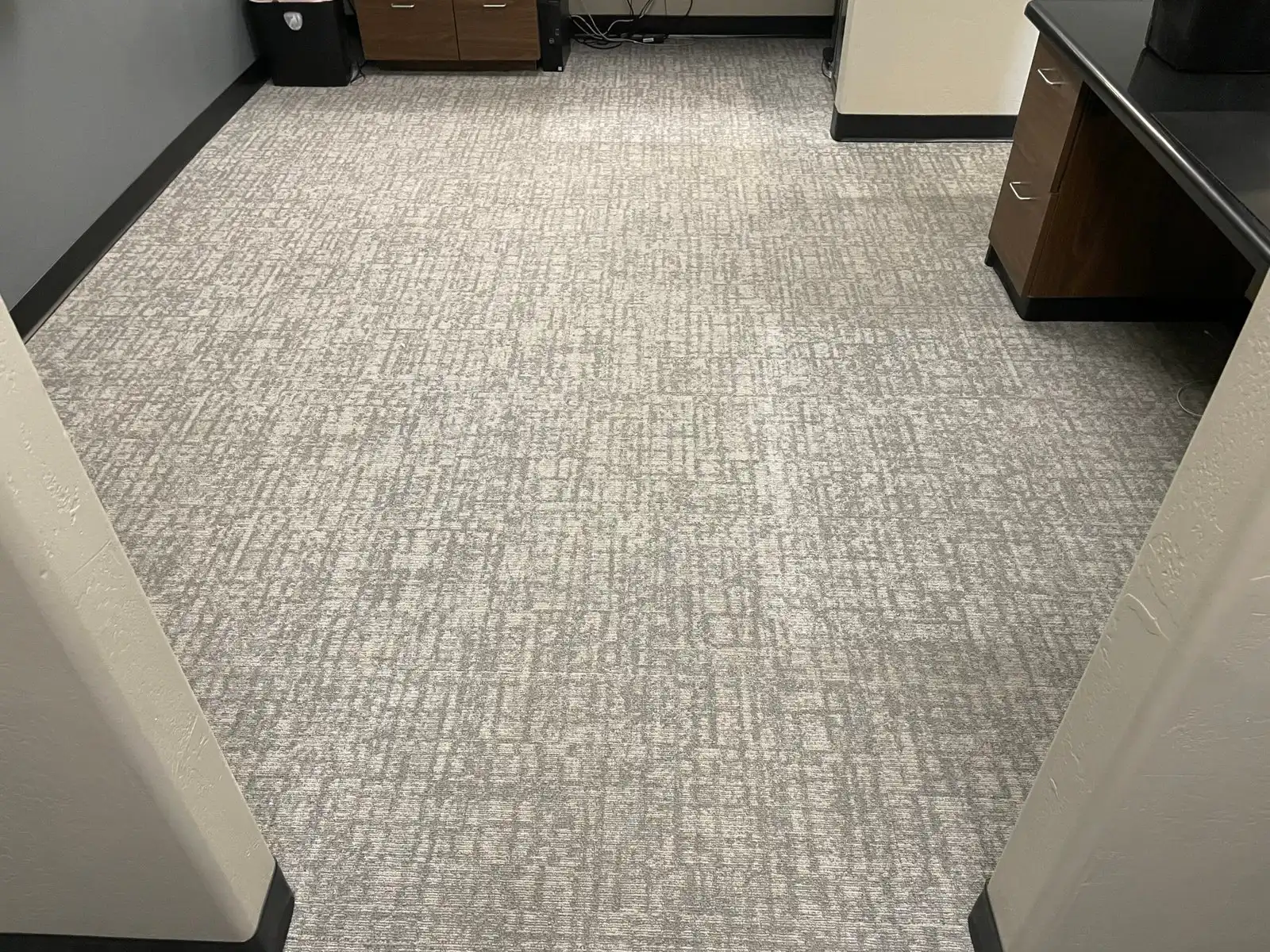
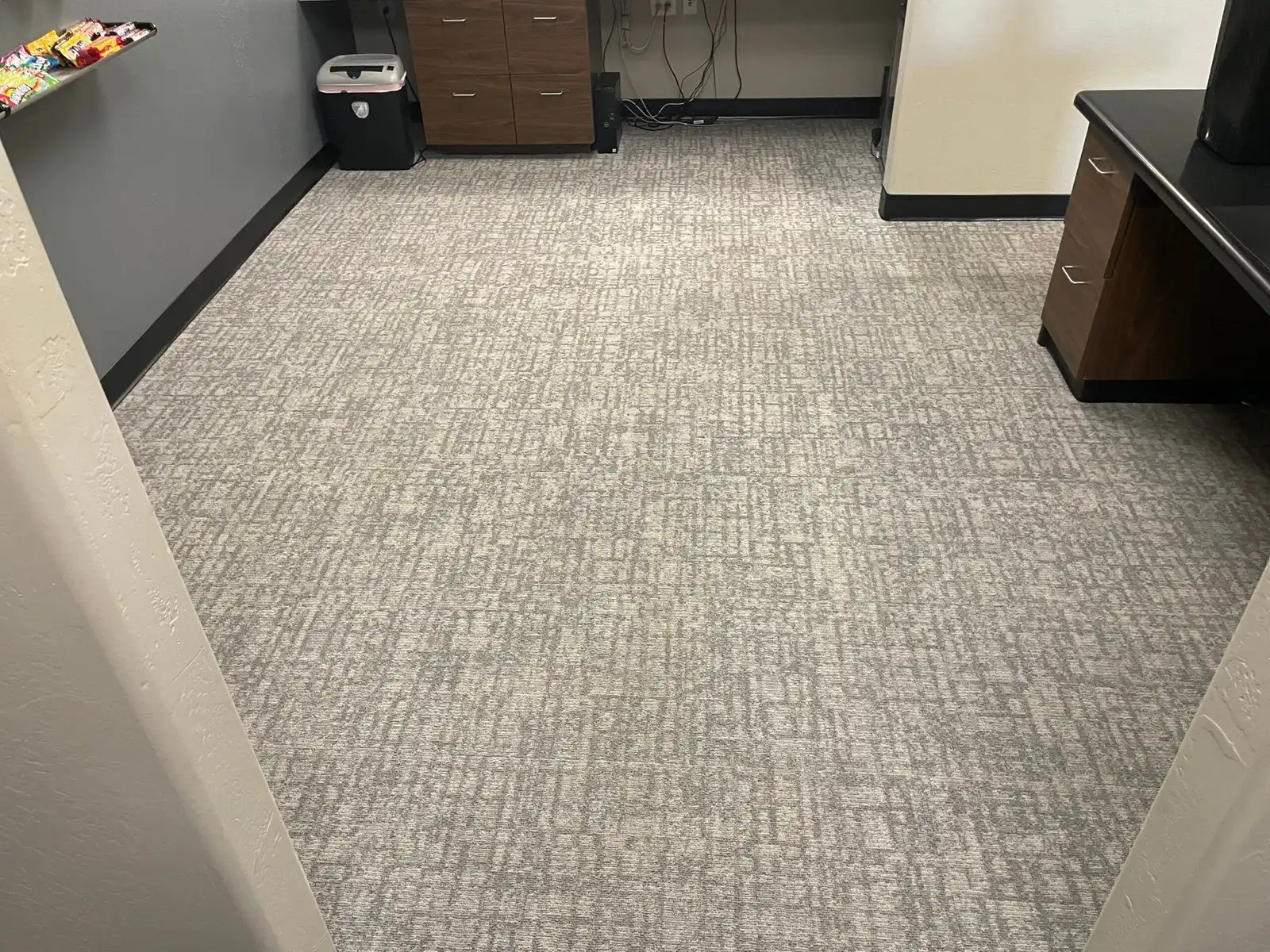
The most common carpet maintenance advice given to small office owners - clean every three months, or monthly for high-traffic areas - comes from cleaning companies whose revenue increases with cleaning frequency. It is not always wrong, but it is frequently wrong for the small offices that make up most of Youngtown's commercial landscape: the professional offices, service businesses, and small commercial spaces along Grand Ave, near Youngtown's downtown area on N Dysart Rd, and throughout the modest commercial corridors serving the community. A six-person law office does not have daycare-level traffic. Cleaning its carpet monthly subjects the fiber to repeated moisture cycling that progressively fatigues it, leaves surfactant residue that accumulates between inadequately extracted cleanings, and makes the carpet look worse faster than less frequent cleaning would.

Google
5.0 / 5.0
Google Reviews
Organic
100% Organic
Citrus-based products
Owner operated
Owner-Operated
Kyle shows up every time
Quick dry
Fast Dry Time
Minimal business disruption
No hidden fees
No Hidden Fees
Price quoted = price paid
Schedule Your Assessment
Book Your Youngtown Commercial Cleaning
No-charge office walkthrough and maintenance program assessment - takes about 30 minutes
1Date
/
2Build
/
3Book
Your Clean
$0

When works for you?

Pick a day and time. We'll handle the rest.

Build your clean

Tap a category, then add what you need.

Need commercial cleaning? Call (602) 429-9602 for a custom quote.

Confirm your cleaning

Almost there. Fill in your details and lock in your spot.

📅
Driveway parking available?
Tap any item above to adjust add-ons or remove it.

You're All Set!

Booking #

Confirmation sent to your email.

What to expect: I'm Kyle, the owner, and I'll be the one showing up. Carpets dry in about 1 hour. Your home will smell like fresh citrus. Safe for kids and pets immediately after cleaning.

Questions? Call or text (602) 429-9602

Need help?(602) 429-9602
SMS Consent: By providing your phone number when booking, you consent to receive appointment reminders and follow-up messages via SMS from All Ways Organic. Msg frequency varies. Msg & data rates may apply. Reply STOP to opt out at any time. Privacy Policy · Terms
Transparent Pricing

No Hidden Fees. No Surprises.

Commercial pricing based on zone area and soil accumulation. No-charge walkthrough is the right starting point.

Small Commercial
Small Space
Up to 1,500 sq ft office or suite
$0.25-0.35
per sq ft
Request Assessment >
Medium Commercial
Medium Space
1,500 - 5,000 sq ft office or facility
$0.20-0.25
per sq ft
Request Assessment >
Large Commercial
Large Space
5,000+ sq ft, multi-zone program
$0.15-0.20
per sq ft
Request Assessment >
What Our Customers Say

Real Reviews, Real Results

"The rapid re-soiling that appears to justify frequent cleaning is actually being caused by the frequent cleaning itself. Surfactant residue from over-cleaning makes the carpet attract soil faster."

About This Service

What Over-Cleaning Is and Why It Happens in Small Offices

Over-cleaning is the condition that develops when carpet is cleaned more frequently than the soil accumulation rate requires, using methods that introduce more stress, moisture, and chemistry than the soil load justifies. The cleaning industry has a financial incentive to recommend more frequent cleaning rather than less, which is why over-cleaning is rarely discussed.

The dynamic begins with the commercial cleaning sales call. A representative assesses a small office, typically by looking at traffic volume without carefully considering soil type or current carpet condition, and recommends monthly or quarterly cleaning. The office owner accepts the recommendation as professional advice. For a small professional office with eight employees on commercial loop pile carpet, that same frequency produces over-cleaning rather than good maintenance.

The carpet doesn't accumulate enough soil between cleanings to justify the chemistry and moisture of professional cleaning at that interval. Each cleaning introduces surfactant chemistry and moisture to a carpet already in reasonable condition. In Youngtown's small offices near Agua Fria Ranch and along 111th Ave, the cumulative result is a real and measurable deterioration that paradoxically makes the carpet look worse and wear out faster than less frequent cleaning would.

Why It Matters
The Self-Reinforcing Over-Cleaning Cycle
Residue
Surfactant Residue Builds With Each Cleaning
When carpet is cleaned before sufficient soil has accumulated to provide the extraction medium that carries old residue out, each cleaning adds new surfactant residue on top of old. The residual load in the fiber grows with each cycle. The residue creates a sticky fiber surface that attracts new soil faster than clean fiber would.
Re-soil
Rapid Re-Soiling Looks Like It Needs More Cleaning
Residue-loaded carpet re-soils within two to three weeks rather than the six to eight weeks clean fiber would take. This rapid re-soiling appears to confirm the monthly schedule is needed, when the schedule itself is creating the rapid re-soiling. The cycle reinforces itself until someone recognizes what's happening.
Fatigue
Fiber Fatigue From Repeated Moisture Cycling
Carpet fiber swells when wet and contracts when dry. Twelve moisture cycling events per year from monthly cleaning rather than one or two from appropriate-frequency cleaning progressively weakens the fiber's heat-set twist memory. The pile becomes flatter and less resilient after each cycle, looking like heavy traffic wear.
Signs
Four Signs of Over-Cleaning Damage
Rapid re-soiling within weeks of each cleaning. Progressive matting and pile flatness in traffic lanes. A dull, slightly gray surface that persists even immediately after cleaning. An unusual musty or chemically stale smell from the carpet. Any combination of these in a low-traffic office suggests over-cleaning is the cause.

How Surfactant Residue Accumulates

In a carpet cleaned at appropriate intervals, the surfactant residue from one cleaning is partially removed during the next cleaning's extraction phase because sufficient soil has accumulated to provide the medium that carries residue out. The system reaches a manageable equilibrium. In a carpet cleaned too frequently, each cleaning adds new surfactant without the same clearing mechanism. New surfactant is introduced on top of old residual, and the load grows with each cycle.

The residue acts as a soil magnet, particularly for the fine desert particulate that settles on all Youngtown surfaces from the dry Agua Fria riverbed proximity and the general West Valley dust environment. Small offices along Peoria Ave and Alabama Ave with over-cleaned carpet experience this accelerated re-soiling cycle consistently.

Fiber Fatigue From Repeated Moisture Cycling

Carpet fiber's heat-set twist memory weakens with each wet-dry cycle. Wet fibers are more susceptible to mechanical stress from agitation, and repeated agitation during frequent cleaning progressively disrupts the heat-set twist. The fiber becomes less resilient after each cleaning, taking a flatter orientation than it did originally. The carpet develops a progressively matted appearance that looks like heavy traffic wear but is actually fiber fatigue from over-cleaning.

For commercial carpet installed in small offices at residential or near-residential quality levels, common in the modest commercial spaces of Youngtown's older commercial corridors near Suntown Estates and River Heights, the repeated moisture cycling at high-frequency extraction produces measurable fiber changes over time.

The Correct Cleaning Frequency for Youngtown Small Offices

Traffic volume is the starting point. A six-person office with employees arriving and leaving once daily and no client visitors has a very different profile from a twelve-person office with frequent client visits. The former might need cleaning every four to six months. The latter might need quarterly. Neither needs monthly cleaning unless the soil type is unusually aggressive.

Professional shoe traffic carries far less soil per step than gym athletic shoes, trades work boots, or childcare bare and sock foot traffic. This soil profile does not produce the rapid accumulation that justifies monthly cleaning. The honest recommendation for most Youngtown small offices: every four to six months for standard professional environments. High-traffic entry zones may benefit from targeted cleaning every two to three months, with the main office area at the longer interval. Monthly cleaning of the full office is appropriate only for unusually high-traffic environments, not the typical small professional office along Grand Ave or near Youngtown's downtown area.

Restoration Cleaning for Over-Cleaned Carpet

Reducing frequency alone doesn't address accumulated residue already in the fiber. The residue continues attracting soil rapidly until specifically addressed. Restoration cleaning uses dry extraction first to remove surface soil and accessible surfactant residue, followed by a pH-neutral or mildly acidic rinse that works against the alkaline surfactant residue, and thorough extraction with multiple passes of clean water to remove neutralized residue and leave the fiber genuinely clean.

After restoration, the carpet is in a state where appropriate-frequency maintenance produces good results rather than the diminishing returns that over-cleaned, residue-loaded carpet produces. Offices throughout Cooks Corners and Youngtown Park's commercial areas that have been on aggressive cleaning schedules benefit from this reset before transitioning to a correct-frequency program.

What an Honest Maintenance Program Looks Like

The program starts with a no-charge walkthrough of the specific office, assessing traffic volume, soil type, carpet condition, and any existing over-cleaning or under-cleaning damage. Quarterly to biannual cleaning of the full office with targeted entry zone cleaning at a tighter interval where appropriate. Low-moisture encapsulation cleaning for standard office soil that doesn't require high-moisture extraction, producing dry times of 30 to 45 minutes rather than hours.

Weekly dry vacuuming between professional cleanings removes surface soil before it compacts into the pile. Quality entry matting at the office entry captures the significant fraction of outdoor soil before it reaches the carpet. A program that cleans less frequently but produces better results because the cleaning matches the actual soil accumulation rate is a better program than one that cleans monthly and produces over-cleaning damage.

No-Charge Office Walkthrough and Honest Frequency Assessment

The walkthrough assesses current carpet condition, identifies any existing over-cleaning or under-cleaning damage, and produces a specific maintenance program recommendation calibrated to the actual soil load of your space. No obligation. The honest assessment gives you the information to make a good decision about your carpet maintenance program, whether you choose to work with me or not.

Learn more about our commercial carpet cleaning services, or explore other cleaning services we offer in Youngtown.

Common Questions

FAQs About Youngtown Commercial Carpet Cleaning

Almost certainly yes for a standard small professional office. Monthly cleaning is appropriate for high soil load environments like food service, daycare, or high-volume medical facilities. A small office with six to twelve employees in professional shoes accumulates soil at a rate that typically justifies cleaning every four to six months. Monthly cleaning of a low-soil-load office produces surfactant residue buildup and fiber fatigue that progressively damage the carpet rather than maintaining it.

Surfactant residue buildup from frequent cleaning is the most likely cause. Residual surfactant stays in the fiber, creates a sticky surface, and attracts new soil dramatically faster than clean fiber would. The rapid re-soiling that appears to justify frequent cleaning is actually being caused by the frequent cleaning itself. Breaking this cycle requires a restoration cleaning that removes accumulated residue, followed by a less frequent maintenance program.

Yes, if the cleaning is frequent and uses high-moisture methods. Fiber fatigue from repeated moisture cycling weakens the heat-set twist memory progressively. The pile becomes less resilient and takes a flatter orientation after each drying cycle. Combined with mechanical agitation stress, frequent high-moisture cleaning produces fiber fatigue that looks like heavy traffic compression. Switching to appropriate-frequency low-moisture cleaning reduces the stress while still maintaining the carpet.

Three indicators. Rapid re-soiling within two to three weeks rather than six to eight weeks of post-cleaning appearance. A dull hazy surface that persists even immediately after cleaning, from the residue coating diffracting light on the fiber face. A slightly sticky feel when you run your hand across the surface. A restoration cleaning that addresses residue resets the fiber to a clean state from which appropriate-frequency maintenance produces much better results.

No. The entry zone accumulates soil significantly faster and benefits from targeted cleaning every two to three months. The main office area at four to six months addresses its actual accumulation rate. This zone-based approach provides better results than uniform-frequency cleaning and avoids over-cleaning the main office to match the entry zone's legitimate higher-frequency need.

Steam cleaning (hot water extraction) uses heated water injected under pressure and extracted by suction. Effective for heavy soil but produces wet carpet requiring hours of drying. Low-moisture encapsulation uses significantly less water, encapsulating soil particles in crystalline compounds removed by vacuuming. Dry time is 30 to 45 minutes. For a small office with moderate soil, low-moisture cleaning removes soil adequately without extended wet time or the fiber moisture cycling stress of hot water extraction.

Partially true but overstated for most small offices. Youngtown's desert environment does produce elevated fine particulate from the Agua Fria riverbed proximity. Quality entry matting, exterior bristle mat plus interior absorbent mat, captures a significant fraction before it reaches the carpet. With quality matting in place, four to six month intervals are manageable. Without matting, the argument for more frequent cleaning has more validity, but the correct response is better matting rather than more frequent cleaning of inadequately protected carpet.

Call or text and describe your office: number of employees, approximate square footage, type of business, and current cleaning frequency. I'll give you an initial honest assessment and schedule a no-charge walkthrough. The walkthrough assesses current carpet condition, identifies any existing over-cleaning or under-cleaning damage, and produces a specific maintenance program recommendation and cost estimate for the actual needs of your space. No obligation.

Office Carpet Getting Cleaned Often But Still Looking Dull? The Program May Be the Problem.
No-charge walkthrough - Honest frequency assessment - Restoration cleaning for residue-loaded carpet
What Our Customers Say

Real Reviews, Real Results

All Youngtown Services
What We Clean in Youngtown
All 14
Carpet
Upholstery
Area Rugs
Tile & Commercial
Decorative desert cactus illustration growing from the desert floor