Distinguishing Wear From Soil: The Diagnostic Approach
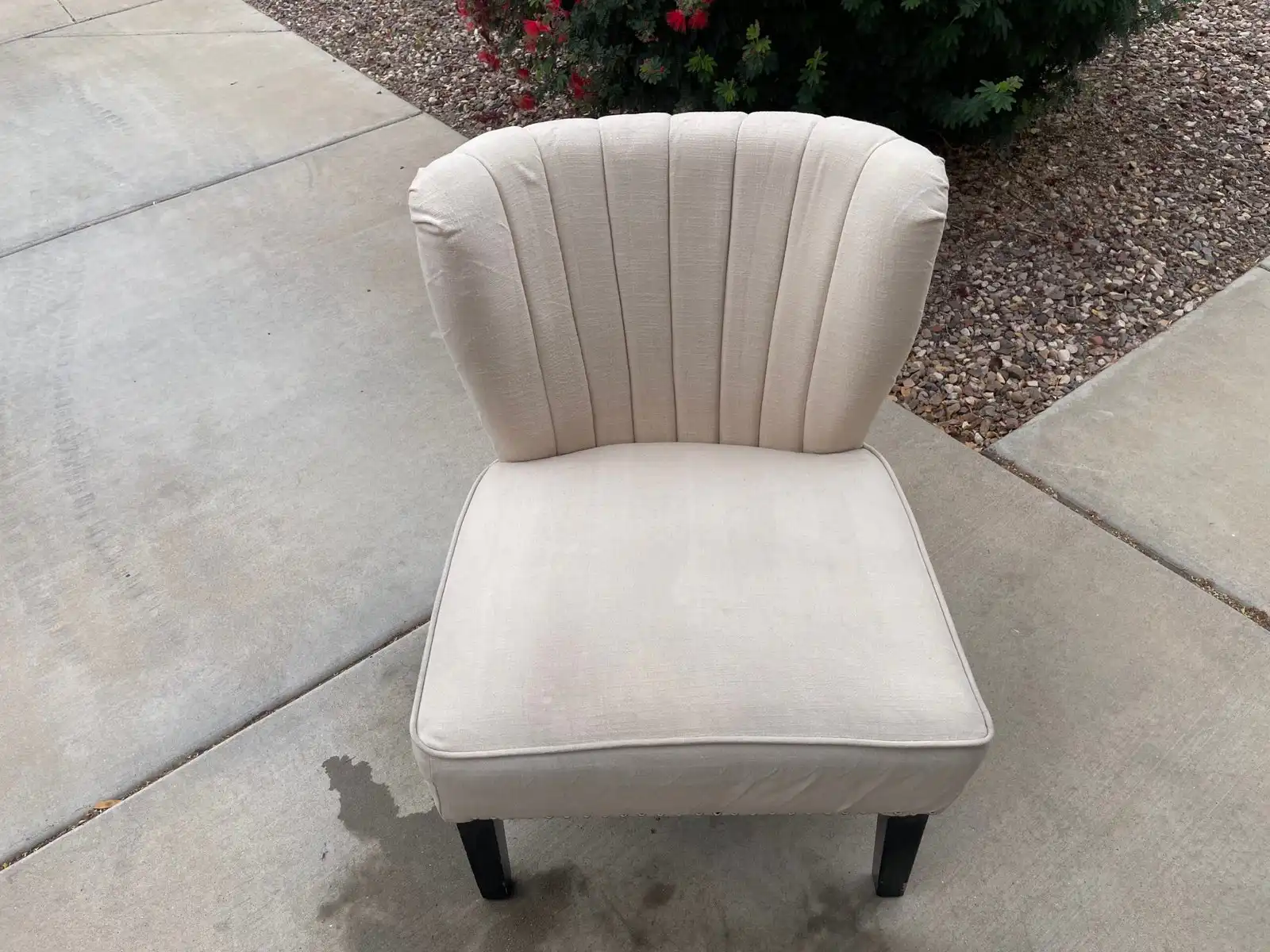
The sheen location test is the first diagnostic. Soil darkens fabric. Wear-related sheen makes fabric brighter and shinier. Look at the contact zones in good lighting: if the affected area looks shinier and lighter-toned than surrounding fabric, sheen-type wear is the primary condition. If darker, soil is the primary condition.
The white cloth test confirms whether soil is present alongside wear. Dampen a small area and press a clean white cloth firmly against it. Color transfer to the cloth indicates deposited material that cleaning can address. A clean cloth from an affected area confirms the visual difference is from the fabric itself - wear rather than soil.
The damp-cloth rubbing test distinguishes sheen from grease. Rub a barely damp cloth firmly across the sheened area. Grease would transfer and the sheen would reduce. Wear-related sheen doesn't reduce from rubbing - the smooth fiber surface remains identical after firm rubbing.
What Cleaning Can and Cannot Achieve
For sheen-type wear: cleaning removes soil present with or around the sheened zone, but the sheen remains. A sheened seat that also has soil will look better after cleaning because the soil is gone, but the sheen remains because the fiber surface change is permanent. If the sheen is the primary visual concern, cleaning is not the solution.
For compression-type wear: cleaning combined with moisture-assisted grooming produces partial recovery. Directional grooming while the fabric is at peak moisture-flexibility works compressed fiber toward a more upright position. The result is typically meaningful visual improvement, though full recovery of severely compressed fabric isn't achievable.
For fiber breakdown: cleaning addresses soil but the structural fiber damage is permanent. Frayed, split, or thinned fibers don't recover structural integrity from cleaning.
Why El Mirage Dining Chairs Show Wear Faster
Multi-tenancy wear accumulation is the most distinctive pattern. Dining chairs in rental properties throughout Arizona Brisas and Thompson Ranch that have been through multiple tenancies accumulate wear from successive occupants without restoration. By the third or fourth tenancy, the seat contact zone may be at the sheen or early fiber breakdown stage from combined wear of multiple households' daily dining.
Budget-fabric dining chairs common in El Mirage's rental market develop sheen and compression more quickly than quality-fabric alternatives. A dining chair at a budget price point may show significant wear within two to three years of regular family dining use.
El Mirage's fine particulate environment contributes an abrasion component - mineral particulate from the desert environment and Luke AFB operations settles on dining chair fabric and becomes a micro-abrasive layer between clothing and chair during sitting. This particulate-assisted abrasion may accelerate sheen development in homes throughout Rancho El Mirage and Dysart Cactus compared to equivalent chairs in lower-particulate environments.
The Cleaning Process for Dining Chairs With Wear
Pre-cleaning assessment of each chair documents the wear condition at contact zones alongside the soil condition. This takes 5 to 10 minutes for a full set and produces specific information about what cleaning will and won't address. I share these findings before starting.
For chairs with primarily soil and minimal wear: standard cleaning produces close to full visual restoration. For chairs with significant sheen alongside soil: cleaning addresses the soil, the sheen is documented as permanent. For chairs with compression: moisture-assisted directional grooming after extraction targets compression recovery alongside soil removal.
Full chair set cleaning at the same appointment produces the best visual consistency. Treatment intensity is calibrated to each chair's specific condition rather than applying uniform treatment.
Options When Wear Is the Primary Problem
Chair cover replacement - having the seat pad recovered with new fabric - is the most cost-effective restoration for chairs with good structural frames. For a set of four chairs with worn but structurally sound seats, cover replacement restores full visual appearance at a fraction of full replacement cost. DIY seat pad replacement is achievable for many standard designs - the pad is typically secured with screws and can be re-covered with a staple gun.
Protective seat covers going forward extend the life of recovered or replaced fabric by absorbing the abrasive contact that drives wear. For El Mirage Downtown rental properties where dining chair wear is a recurring cost, protective covers reduce the wear rate and extend the interval between replacements.
The Wear vs Soil Assessment Happens First
Every dining chair cleaning appointment in El Mirage begins with the wear vs soil diagnostic. If wear is the primary condition, you'll know before any work begins - along with an honest recommendation about whether cleaning, recovering, or replacing is the right investment for your specific chairs.
Learn more about our upholstery cleaning services, or explore other cleaning services we offer in El Mirage.

 (602) 429-9602