Why Second-Story Bedrooms Get Hit Hardest
In most Surprise homes - especially the two-story layouts common in Royal Ranch, The Residences at Stadium Village, and Surprise Farms - there's a noticeable texture difference between upstairs and downstairs carpet after summer.
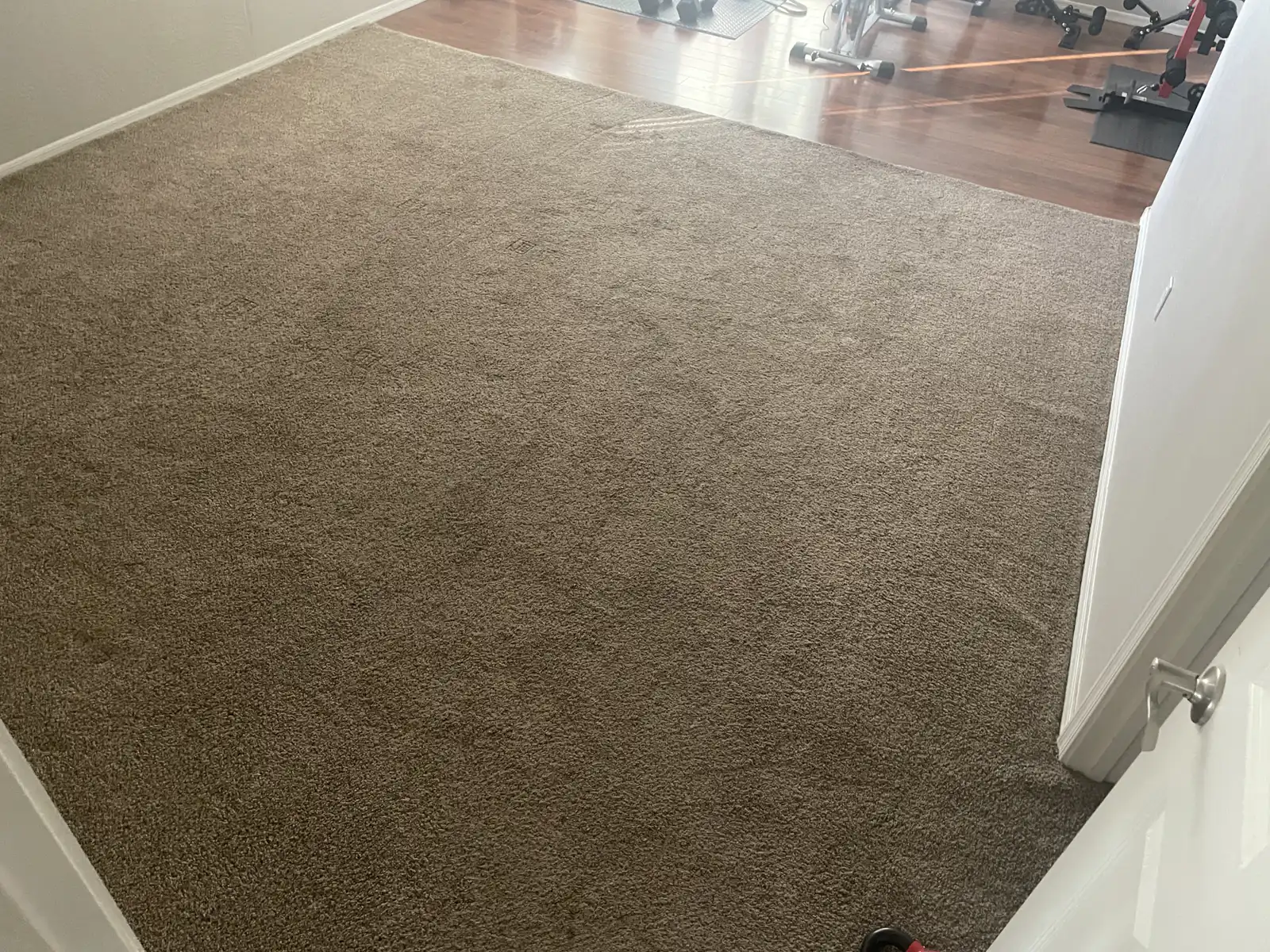
Downstairs carpet feels relatively normal. Maybe a little worn in traffic areas, but the texture is still soft. Upstairs carpet feels crunchy, stiff, and rough - especially in the bedrooms and hallway.
Your attic space is the hottest part of your home during summer. Even with insulation and ventilation, attic temps in Surprise regularly hit 140-150° in July and August. That heat radiates down through the ceiling into upstairs bedrooms. Your AC works hard to cool those rooms, but there's a constant battle between the heat coming from above and the cool air coming from vents.
Upstairs rooms also tend to have lower humidity because warm air holds less moisture after AC conditioning. So upstairs carpet fibers are getting hit with both more heat stress AND more moisture depletion than downstairs fibers. This is especially noticeable in homes where the upstairs has carpet but the downstairs is all tile - the contrast is obvious when you walk from cool tile downstairs onto crunchy carpet upstairs.
💡 AC Cycling & Fiber Dehydration
Your AC runs April through October minimum. During peak summer, it's running almost continuously. Every cycle removes humidity from indoor air - over months, indoor humidity drops to 10-15%. Carpet fibers need some moisture to stay flexible. When they're chronically dehydrated, they become brittle and feel stiff and crunchy instead of soft and resilient. A customer in Marley Park said her bedroom carpet felt "like straw" after summer. The fibers weren't dirty - they were dehydrated.
How I Restore Carpet Texture After Summer Heat Damage
First, I evaluate the fiber condition. Not all crunchy carpet is heat damage - sometimes it's residue from previous cleanings or actual fiber breakdown from wear. I check to see if the fibers are intact but stiff (heat damage - reversible) or if they're actually broken or frayed (wear damage - not reversible).
Second, I apply a fiber conditioning pre-treatment. This isn't regular carpet cleaner - it's formulated to reintroduce moisture and flexibility to dehydrated synthetic fibers. The solution penetrates the fiber structure and helps restore some of the internal moisture that's been lost.
Third, I use controlled moisture during cleaning. Too much water can cause other problems, but the right amount actually helps rehydrate fibers. The cleaning process itself introduces moisture back into the carpet in a controlled way.
Fourth, I extract thoroughly but not aggressively. I want to leave a small amount of moisture in the fibers to help them stay flexible as they dry, but not so much that drying takes forever or creates other issues.
Fifth, I groom the carpet to reset fiber direction. Heat-stressed fibers often end up laying in random directions. Grooming while slightly damp helps them align properly as they dry.
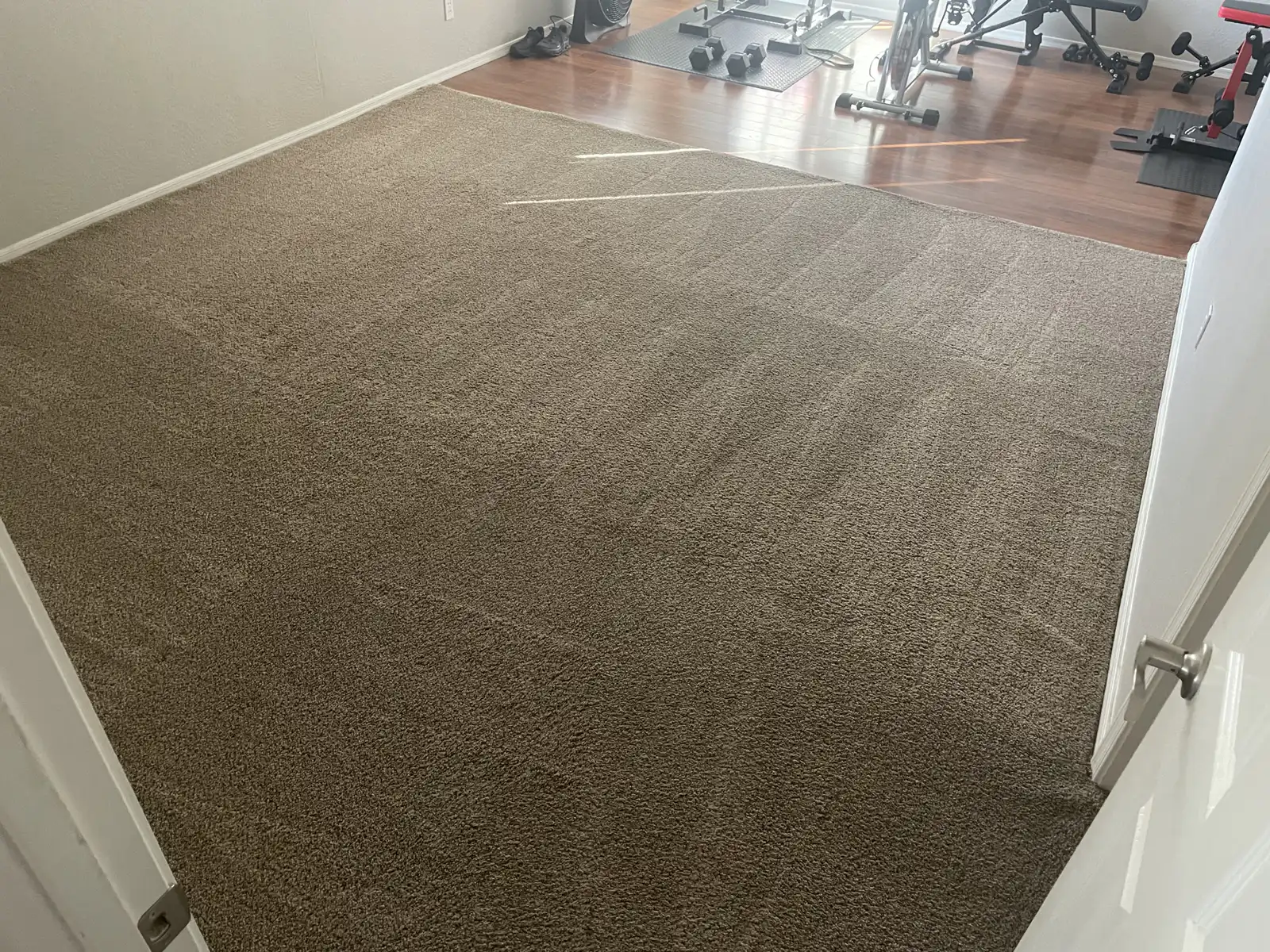
The carpet dries in under an hour because of the low-moisture method. And as it dries with proper moisture levels and fiber alignment, the texture comes back soft instead of staying crunchy. Most customers notice the difference immediately when they walk on it barefoot.
Preventing Fiber Damage During Next Summer
You can't completely prevent heat stress on upstairs carpet in Surprise - it's going to happen when outside temps hit 115° repeatedly. But you can minimize the damage.
- Keep indoor humidity slightly higher if possible. Maintain 20-25% humidity using a small humidifier in bedrooms or adjusting AC settings.
- Use area rugs in high-traffic bedroom zones. An area rug over carpet in the path from bed to bathroom protects the underlying carpet from combined stress of foot traffic plus heat damage.
- Close blinds on west-facing bedroom windows during afternoon. Direct sun through windows heats rooms even more. Keeping blinds closed 2-5pm helps.
- Replace AC filters monthly during summer. Better airflow means more efficient cooling and less extreme temperature swings in upstairs rooms.
- Get carpets professionally cleaned in fall. September or October cleaning after summer helps restore fiber texture before it becomes permanent.
For homes in Prasada, Mountain Vista Ranch, or near Surprise Stadium where two-story layouts are common, the fall cleaning schedule makes a huge difference in long-term carpet lifespan.
When Texture Damage Is Permanent vs Reversible
I need to be honest about what's possible when carpet feels crunchy after summer.
If the texture change is from heat stress and dehydration - fibers are intact but stiff - professional cleaning with moisture reintroduction and fiber treatment usually restores softness. I see this work well on carpet that's 5-10 years old with no major wear damage.
If the carpet has actual fiber breakdown - threads fraying, pile loss, backing deterioration - cleaning won't fix structural damage. At that point you're looking at replacement, not restoration.
The way to tell: look closely at the crunchy areas. If the fibers look intact but just feel harsh, that's likely heat damage and it's reversible. If you see actual fiber loss, thinning, or backing showing through, that's wear damage and cleaning won't help much.
In most Surprise homes I clean - especially newer builds in the 2000s-2020s range - the crunchy texture is heat stress, not wear. The carpet is structurally fine, it just needs moisture restoration and fiber treatment. I'll tell you honestly during the walkthrough which situation you're dealing with.
Learn more about our carpet cleaning process, or explore other cleaning services we offer in Surprise.

 (602) 429-9602