The Mechanics of How Hand-Grip Oil Concentrates at the Seat Edge
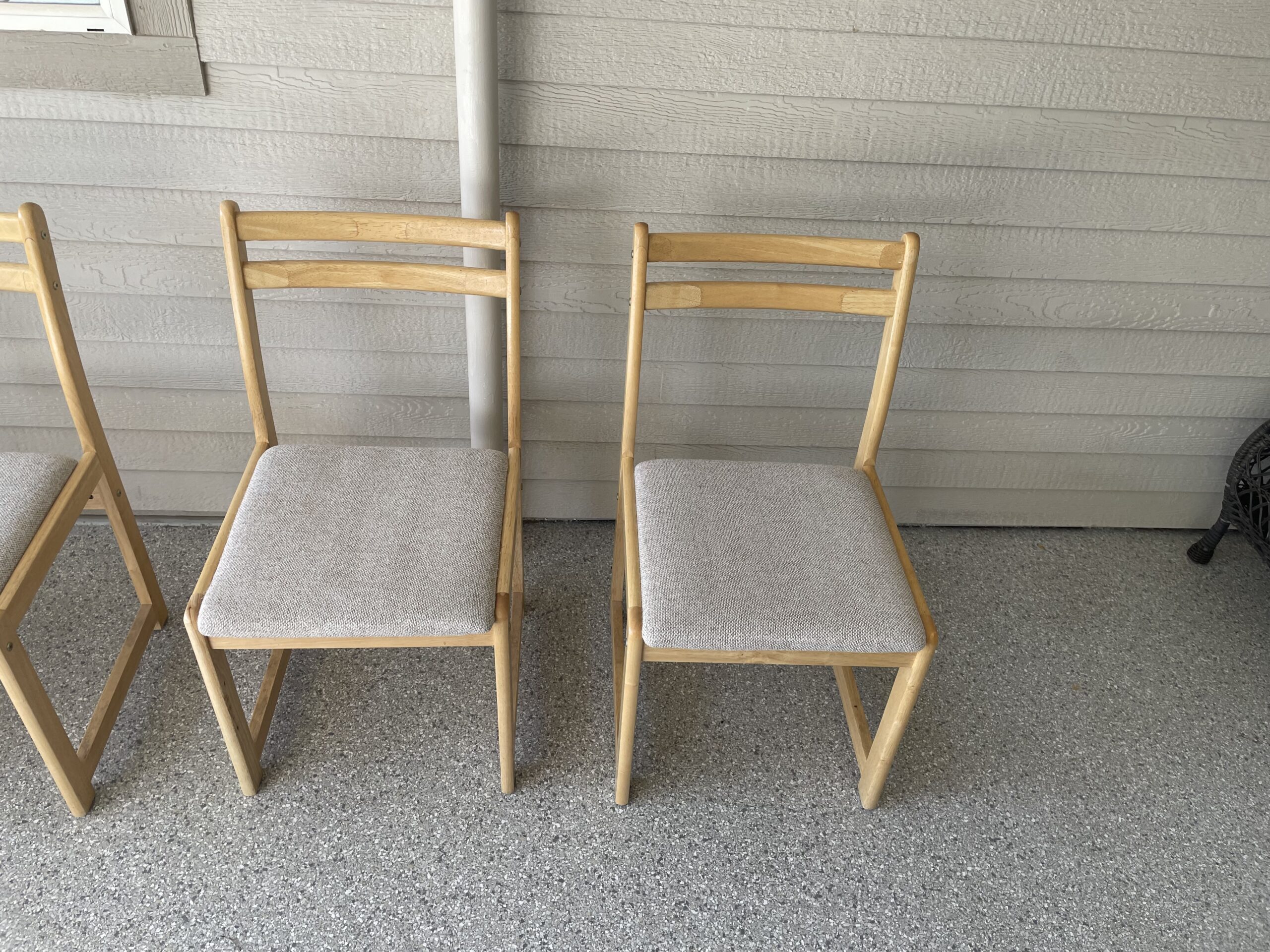
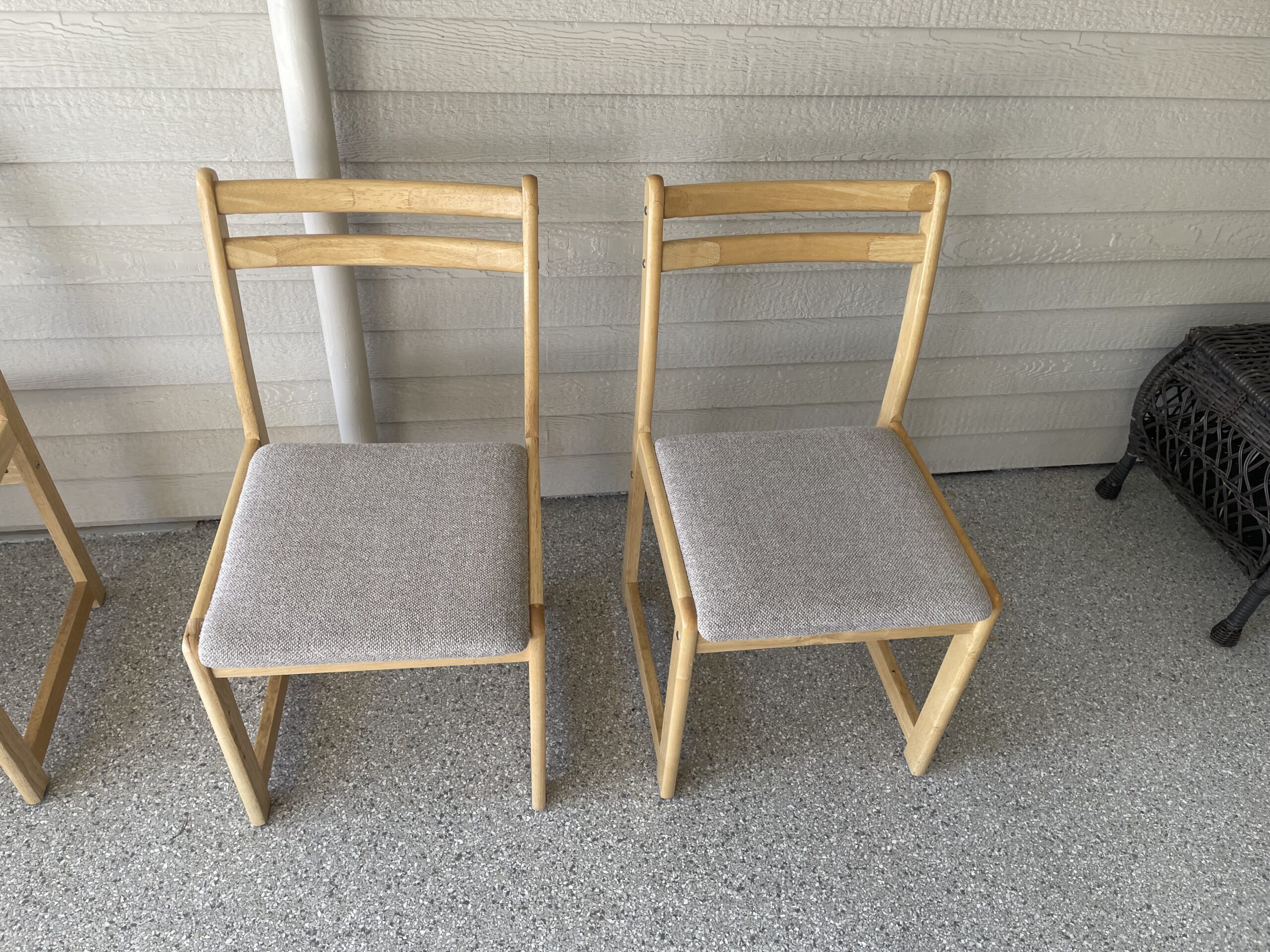
The hand-grip motion during the sit-stand cycle is brief but it involves significant pressure. When a person grips the seat edge to push up from a chair, the full force of pushing their body weight upward is transmitted through the hand-to-fabric contact at the seat edge. The pressure per square inch at the grip point is substantially higher than the distributed pressure of body weight across the full seat surface during sitting. That higher contact pressure drives oil more effectively into the fabric fiber than the lower-pressure body contact does during normal seated use.
The oil that transfers in this grip motion is primarily from the palm and the underside of the fingers. Palm oil has a slightly different fatty acid composition from the scalp oil that concentrates at headrest zones or the plantar oil that concentrates in carpet from barefoot traffic, but the mechanism of oil deposition into fabric from consistent pressure contact is the same. High pressure, repeated contact, oil in fabric.
The edge geometry of the seat cushion is also a factor. The fabric at the cushion edge is typically wrapped around the cushion foam and secured at the bottom, which means the fabric at the edge is under slight tension rather than lying flat against the foam as the center of the seat face does. Fabric under slight tension may have a slightly more open fiber structure at the surface, which can make it more receptive to oil penetration from contact pressure. The grip contact is also consistent: the hand always grips at approximately the same position along the front of the seat edge because that is where the ergonomics of the sit-stand motion place the hand.
In families throughout central and north Glendale, a chair used twice daily for three years may have a seat face with moderate soil accumulation and an edge zone with considerably heavier oil concentration. Not because the edge received more total contact time, but because the contact pressure during each grip event was higher and the oil transfer per contact event was greater.
How to Identify the Hand-Grip Pattern Versus Other Chair Soil
The hand-grip edge pattern has a specific visual signature that distinguishes it from food contact staining and from general seated body-contact soil that accumulates across the main seat surface.
Location is the primary indicator. Hand-grip oil concentrates at the perimeter of the seat cushion: the front edge and the side edges where the sit-stand grip motion contacts the cushion. The center of the seat face, which receives the most body contact during seated use, accumulates standard seated soil but not the concentrated edge oil. A dining chair with a clean-ish center and a noticeably darker perimeter ring is showing the hand-grip pattern rather than food staining, which would be distributed wherever contact with food occurred rather than concentrated at the geometric edge of the cushion.
The texture of the dark zone is another indicator. Hand-grip oil that has accumulated over time and partially oxidized produces a zone that feels slightly different from the surrounding fabric: slightly stiffer, slightly more resistant to a fingertip drawn across the surface. Pressing firmly on the edge zone and releasing it next to pressing on the center seat face tells you whether the edge has this different physical character.
The pattern is also consistent across chairs in the same set that have had similar use. If you check multiple chairs from the same dining set and the edge darkening is present on all of them at the same location on each chair, the pattern is from a consistent behavioral mechanism. In households near the Camelback Ranch area and the established neighborhoods around Dysart Ranch, where dining rooms see genuine daily family use from multiple household members, this pattern develops within the first two to three years of regular use. A family of four sharing six chairs develops approximately the same pattern across all chairs because the grip motion is essentially universal -- it is the ergonomic way humans sit down and stand up from any chair, not a learned behavior specific to certain people.
The back chair legs and the lower back rail sometimes show a similar pattern from hand contact when people pull the chair out or push it back to the table. Identifying all the grip contact zones before cleaning ensures the pre-treatment covers the full hand-contact soil map rather than just the most obvious seat edge zone.
Why Standard Cleaning Underperforms on Edge Oil
Standard dining chair cleaning is typically calibrated for food contact staining: the tannin from wine and juice, the protein from food residue, and the fat from cooking oils and sauces. The chemistry approach for these soils is well-established. Enzyme pre-treatment for protein staining, tannin-targeted chemistry for beverage marks, degreaser for fat compounds.
Palm oil from the hand-grip contact is a different soil type from food fat in a specific way that matters for the cleaning approach. Food fat on a dining chair is typically a relatively fresh deposit from a meal -- it has been in the fabric for at most a few days before the chair is cleaned again. Palm oil from daily hand-grip contact accumulates continuously and has been oxidizing in the fabric at the edge zone since the first grip event on the piece.
The oxidation of sebaceous oil in fabric fiber converts the relatively soluble fresh oil into progressively more complex and less soluble compounds. Fresh palm oil in fabric responds readily to degreasing chemistry -- the d-limonene solvent component dissolves the unoxidized fatty acid compounds and lifts them from the fiber for extraction. Oxidized palm oil that has been in the fabric for months or years has cross-linked into a more resistant compound that requires more aggressive chemistry, longer dwell time, and more mechanical agitation to address effectively.
A standard dining chair cleaning that treats the full seat surface uniformly without extended pre-treatment dwell time at the edge zones removes the fresh soil from the seat face and improves the edge zones but may not fully address the oxidized oil concentration there. The edge zones need longer dwell time and more targeted agitation than the center of the seat face to reach the same level of soil removal.
The Cleaning Process for Chairs Showing the Edge Oil Pattern
The pre-cleaning assessment for a dining chair set in a Glendale home that shows the edge oil pattern maps each chair's soil distribution before chemistry is selected. The seat edge zones, the side edge zones, and any back frame fabric contact points that show grip oil are identified and noted for extended pre-treatment.
The degreasing pre-treatment at the edge zones uses the citrus-based d-limonene component with extended dwell time specifically in those zones. For fresh or moderate oil accumulation -- a chair set in use for one to three years without professional cleaning -- a five to eight minute dwell is sufficient to penetrate the oxidized oil and bring it toward the surface for extraction. For heavier accumulation from a longer uncleaned interval, the dwell time extends to allow the chemistry to work through the more resistant cross-linked oil layer before agitation begins.
Agitation at the edge zones is more deliberate than at the center seat face because the edge geometry requires working into the fabric wrap at the cushion perimeter rather than across a flat surface. A small detail brush working specifically at the edge zone during the pre-treatment dwell period loosens the oxidized oil from the fiber before the main cleaning pass extracts it along with the chemistry.
The standard full-chair cleaning follows the targeted edge pre-treatment -- covering the seat face, the back cushion, the armrests if present, and all exposed fabric surfaces. For a set of chairs this cleaning follows a consistent sequence from chair to chair to ensure even drying and a consistent result across the full set. Dry time is about an hour, which keeps the disruption to your dining room minimal.
Set consistency after cleaning is the visual standard that matters most for dining chairs because they are seen together as a group. If the edge zones of some chairs clean to a different level than others -- because one chair was used more heavily or had older oil accumulation -- the result looks uneven when the chairs are in their normal positions. The pre-treatment calibration to each chair's specific edge zone condition accounts for this by adjusting the dwell time and agitation intensity based on what the assessment found for that specific chair.
The Glendale Dining Chair Context
The hand-grip edge oil pattern is present on dining chairs throughout Glendale but it is most pronounced in households where the dining room is genuinely used for daily family meals rather than reserved for occasional entertaining. A dining chair used twice a day accumulates hand-grip contact at the seat edge at roughly the rate of two grip events per meal, four to six grip contacts per day, across however many people use that chair regularly.
In the Camelback Ranch area and the established neighborhoods near Dysart Ranch, where family households with multiple daily users of the dining room are common, the pattern develops within the first two to three years of regular use. The grip motion is essentially universal -- every family member who sits at that table contributes to the edge oil accumulation on the chairs they use regularly.
The pattern is also visible on chairs in households where the dining table serves multiple functions. Homework, work-from-home tasks, craft projects -- every sit-stand cycle at that table produces the same hand-grip contact at the seat edge regardless of what the table is being used for. A chair at a dining table that also serves as the household workspace gets the grip oil contact from every sit-stand event throughout the workday in addition to every meal event, which accelerates the edge oil accumulation compared to a chair used only for meals. This is common in many Glendale homes where the dining table doubles as the primary work and homework surface.
Chairs with armrests distribute the stand-up assistance differently. Armrest grips reduce the frequency of seat-edge grip during standing because the armrests provide an alternative push-up point. Armrest dining chairs in Glendale households therefore often show the grip oil pattern more at the armrests and less at the seat edge than armrest-free chairs, which concentrate all grip contact at the seat perimeter. The assessment maps whichever contact points the specific chair design produces.
Honest Expectations: What the Edge Pre-Treatment Accomplishes
For dining chairs with one to three years of hand-grip edge oil accumulation, the targeted edge pre-treatment with appropriate dwell time produces a strong result. The edge zones clean to a color and texture consistent with the surrounding seat face, and the full chair looks uniform after cleaning. The dark ring at the cushion perimeter resolves and the chairs look like a matching set rather than like pieces with concentrated perimeter wear.
For chairs with four or more years of accumulated edge oil -- particularly if the oil has had repeated heating and cooling cycles in a room with afternoon sun exposure that accelerated the oxidation -- the pre-treatment produces meaningful improvement but the edge zones may retain a slight difference from the center seat face after a single cleaning. The heavily oxidized oil in the deepest fiber layers responds to the chemistry but may require more than one cleaning cycle to fully address. A second annual cleaning produces additional improvement as it addresses residual oxidized oil on the cleaner baseline established by the first cleaning.
Physical fiber wear from repeated grip contact at the seat edge is a separate condition from oil accumulation. If the fabric at the grip contact point has been abraded by the grip pressure over many years -- producing a slightly shinier, smoother appearance at the fabric surface in the grip zone specifically -- that surface change is from fiber abrasion rather than oil, and it does not fully reverse through cleaning. The cleaning addresses the oil component. The abrasion-related surface change is structural.
Slowing Edge Oil Accumulation Between Professional Cleanings
The hand-grip motion during sitting and standing is essentially impossible to eliminate -- it is the ergonomic behavior that makes getting in and out of a chair comfortable and safe. Prevention focuses on reducing the oil transfer rate rather than eliminating the grip contact.
Wiping hands before sitting, particularly after meal preparation when hands carry cooking oil and food residue in addition to the baseline palm oil, reduces the concentration of what is transferred during the grip event. Chair arm covers or seat edge guards -- fabric or leather strips applied to the cushion edge at the primary grip contact point -- intercept the grip oil before it reaches the upholstery fabric. These are removable and washable, which makes them practical for households with heavy chair use.
Regular wiping of the seat edge fabric with a barely damp cloth removes fresh oil deposits from the surface before they penetrate into the fiber and begin oxidizing. A microfiber cloth slightly dampened with distilled water -- not Glendale tap water, which leaves mineral residue -- run along the seat edge perimeter after meals removes the majority of that day's grip contact oil while it is still fresh and surface-level. This ten-second habit after clearing the table makes a meaningful difference to the rate at which the edge oil builds between professional cleanings.
Professional cleaning every 12 months for a dining chair set in daily family use is the right interval. This catches the edge oil before it advances to the deeper oxidized layer that requires more intensive pre-treatment and longer dwell times.
On the Inspection Before Cleaning
Every job starts with an assessment on arrival to map the soil distribution across each chair and confirm the right pre-treatment approach for the edge zones. The inspection does not change the price. It determines which zones need extended dwell time and how much, so the result across the full set is as consistent as possible.
Learn more about our upholstery cleaning services, or explore other cleaning services we offer in Glendale.

 (602) 429-9602