All Ways Organic Citrus Carpet & Upholstery Cleaning - Home
🇺🇸 Made in USA
🍋 Citrus Based
🌵 Eco-Friendly
Hours
Mon – Sat
7AM – 7PM
Book Online
Book
Online
📍 Serving the Greater Phoenix Valley
🕐 Mon – Sat  7AM – 7PM
👨‍👩‍👧‍👦 Family Owned & Operated
🇺🇸 Made in USA
🍋 Citrus Based
🌵 Eco-Friendly
Book Online
Dining Room Chair Cleaning in Avondale Arizona - All Ways Organic
Avondale, Arizona

Avondale AZ
Dining Room Chair Cleaning

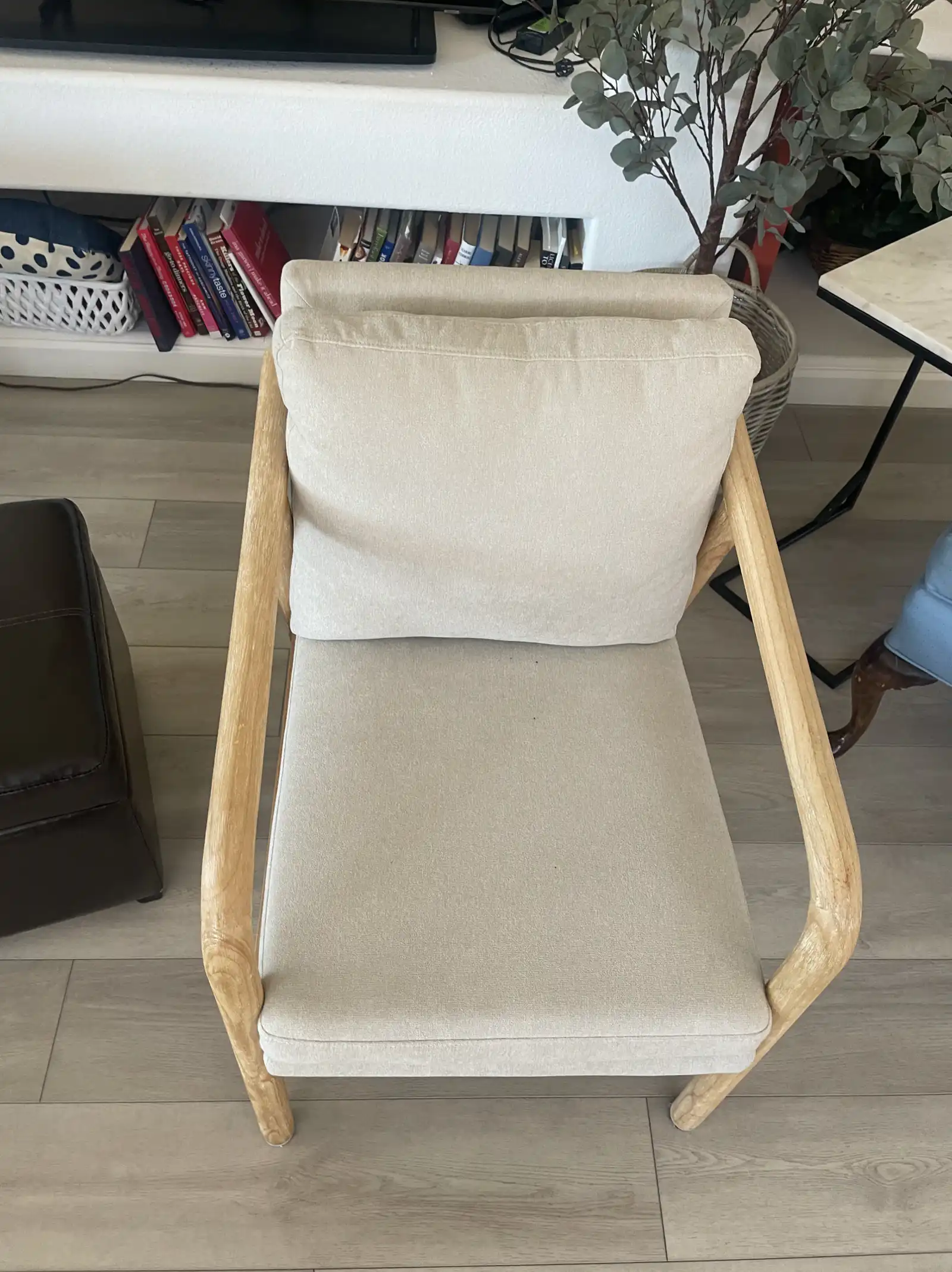
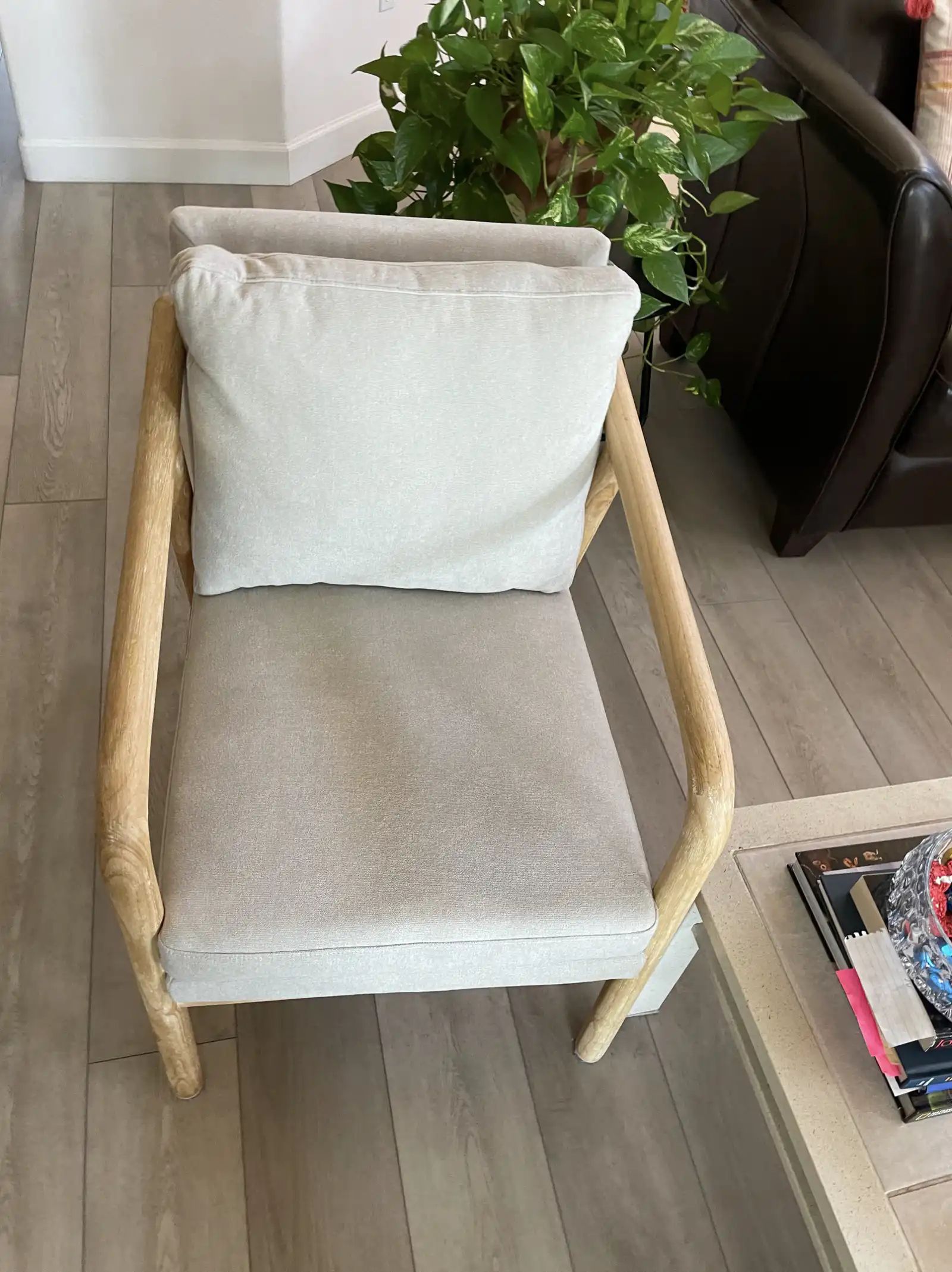
Dining room chairs in Avondale homes take a specific kind of beating - salsa splashes at family dinners, oily handprints from kids grabbing the chair backs, and grease spots from plates set down too close to the edge. The problem isn't the visible stains you see right away - it's the food oil that's spreading underneath the fabric surface, getting bigger every time someone sits down and adds heat and pressure.

Google
5.0 / 5.0
Google Reviews
Organic
100% Organic
Citrus-based products
Owner operated
Owner-Operated
Kyle shows up every time
Quick dry
~1 Hour Dry Time
Not 3 days like steam
No hidden fees
No Hidden Fees
Price quoted = price paid
Schedule Your Cleaning
Book Your Avondale Dining Chair Cleaning
Pick a date, build your clean, and confirm - takes about 60 seconds
1Date
/
2Build
/
3Book
Your Clean
$0

When works for you?

Pick a day and time. We'll handle the rest.

Build your clean

Tap a category, then add what you need.

Need commercial cleaning? Call (602) 429-9602 for a custom quote.

Confirm your cleaning

Almost there. Fill in your details and lock in your spot.

📅
Driveway parking available?
Tap any item above to adjust add-ons or remove it.

You're All Set!

Booking #

Confirmation sent to your email.

What to expect: I'm Kyle, the owner, and I'll be the one showing up. Carpets dry in about 1 hour. Your home will smell like fresh citrus. Safe for kids and pets immediately after cleaning.

Questions? Call or text (602) 429-9602

Need help?(602) 429-9602
SMS Consent: By providing your phone number when booking, you consent to receive appointment reminders and follow-up messages via SMS from All Ways Organic. Msg frequency varies. Msg & data rates may apply. Reply STOP to opt out at any time. Privacy Policy · Terms
Transparent Pricing

No Hidden Fees. No Surprises.

The price you see is the price you pay. Per-chair pricing with proper sequencing included - no upsells at the door.

Dining chair seat only
Seat Only
Fabric seat cushion
cleaned and extracted
$10
per chair
Book Now >
Dining chair seat and back
Seat + Back
Full fabric coverage,
front and back panels
$15-20
per chair
Book Now >
Set of 6 dining chairs
Set of 6
Most common set size,
seat + back included
$60-90
per set
Book Now >
Optional Upgrade Treatments
Available at checkout to customize your cleaning
Deodorizer
Deodorizer
Extra odor elimination for a deeper fresh
High Traffic
High Traffic
Targeted treatment for heavy-wear areas
Pet Treatment
Pet Treatment
Neutralizes pet odors at the source

All prices include proper sequencing, organic citrus treatment, and controlled extraction. Dry time: 1-2 hours.

What Our Customers Say

Real Reviews, Real Results

The stain you wiped last month isn't gone. The oil migrated deeper and wider every time someone sat down.

About This Service

Avondale AZ Dining Room Chair Cleaning:
Stopping Food Oil Before It Spreads

Here's what I see in most Avondale homes - especially the ones in Harbor Shores, Crystal Point, or near Gateway Pavilions where families eat together regularly. You've got dining chairs with fabric seats and backs. Microfiber, linen blends, polyester weaves - whatever came with the set when you bought it.

At first, the chairs look fine. Maybe a small spot here and there from salsa, guacamole, or something oily dripping off a plate. You wipe it with a damp cloth, it looks better, and you move on.

But here's what's actually happening: food oils don't just sit on the surface. They travel. When oil lands on fabric, capillary action pulls it outward through the fibers. It spreads horizontally underneath the surface layer, especially in woven fabrics that have space between the threads.

Then someone sits down. Body heat warms the oil. Pressure from sitting pushes it deeper and wider. Over days and weeks, that small splash you thought you cleaned turns into a larger shadowed area that no amount of wiping will remove.

Why It Matters
How Food Oil Destroys Dining Chair Fabric
Oil migration
Oil Migration
Food oils travel horizontally through fabric via capillary action. A small splash spreads into a large shadow beneath the surface where wiping can't reach.
Heat reactivation
Heat Reactivation
Every time someone sits down, body heat reactivates embedded oils. The oil keeps spreading with each use - that's why stains grow weeks after the original spill.
DIY damage
DIY Spreading
Water pushes oil outward because they don't mix. Scrubbing forces it deeper. Most DIY cleaning makes dining chair stains larger, not smaller.
Proper sequencing
Proper Sequencing
Stabilize first, then break down, then extract, then neutralize. Order matters more than the product itself. Skip a step and the oil spreads instead of shrinks.

Why Fresh Spills and Old Stains Need Different Treatment

Not all dining chair stains are the same. A splash that happened yesterday behaves very differently from an oil stain that's been reheated 50 times by people sitting on it.

Fresh splashes often sit near the surface. If you treat them correctly - in the right order, with the right products - they respond well. The oil hasn't had time to bond deeply or spread far.

Set-in oil stains are a different problem. These have been through multiple heat cycles. Every time someone sits in that chair, their body heat reactivates the oil and allows it to continue migrating. Sunlight does the same thing. Room temperature changes do the same thing.

By the time you notice the stain has gotten bigger, the oil has already spread laterally through the fabric weave and bonded with fibers in a way that makes it much harder to remove.

This is why random spot cleaning often makes things worse. You add moisture without breaking down the oil first. The water spreads the oil even wider. You scrub, which pushes it deeper. You end up with a ring effect - lighter in the center, darker at the edges - that's harder to fix than the original stain.

I see this all the time in Avondale. Someone tries to clean their own dining chairs with whatever spray cleaner they have under the sink, and they call me a week later because the stains look worse than before.

The Most Common Mistakes Avondale Homeowners Make

Most people see a stain on their dining chair and want to clean it immediately. That makes sense. The problem is the method and products used.

Here's what usually happens: You grab a spray bottle of upholstery cleaner or just use water and dish soap. You spray the stain, scrub it with a towel or sponge, and blot it dry. The stain looks lighter at first, so you think it worked.

But here's what actually happened: you added moisture to oil-based residue without breaking down the oil structure first. Water and oil don't mix - they repel. So the moisture pushes the oil outward through the fabric. Scrubbing makes it worse by forcing oil deeper and spreading it across a larger area.

Then the moisture dries, and the oil that got pushed outward stays there. Now you have a bigger stain than you started with, and it's set deeper into the fabric.

This is why proper dining chair cleaning in Avondale requires a specific sequence. You stabilize the oil first so it doesn't spread. Then you break it down. Then you extract it. Order matters more than the product itself.

Why Linen Reacts Differently Than Microfiber

Linen spreads oil quickly - the natural fiber structure has larger gaps between threads, so oil travels horizontally fast. A small splash on linen can turn into a 4-inch shadow within a week. Microfiber holds oil more tightly in one spot but shows darkening immediately. The tight weave slows horizontal spread, but the oil bonds deeply right where it landed. Polyester blends vary depending on the weave. You can't clean every dining chair the same way - the fabric dictates the approach.

Why Order Matters More Than Product

One of the biggest differences between professional dining chair cleaning and DIY attempts is treatment order. Applying the right product at the wrong time can undo everything.

First, I stabilize the oil. This prevents it from spreading when moisture is introduced later. If you skip this step and go straight to wet cleaning, the oil moves outward and you've already lost control.

Second, I break down the bonded residue. Food oils don't just sit on fabric - they chemically bond with fibers over time, especially after repeated heating from body contact. You need a product that releases that bond without damaging the fabric.

Third, I extract. This is where the broken-down oil and residue get pulled out of the fabric. Extraction has to be controlled - too much moisture causes new problems, too little leaves residue behind.

Fourth, I finish with a neutralizer to prevent re-soiling. This step is often skipped in DIY cleaning, which is why chairs look good for a few days and then attract dirt again.

When sequencing is done correctly, stains shrink inward instead of spreading outward. The fabric stays uniform in color. There's no halo effect. The chair doesn't feel stiff or sticky after cleaning.

The Role of Heat and Pressure in Oil Bonding

Most staining happens where pressure and heat combine. That's why dining chair seats discolor much faster than backs or arms.

Every time someone sits down, their body heat warms any oil already present in the fabric. That heat allows the oil to move and bond deeper into fibers. Add the pressure from sitting, and the oil gets driven further into the seat cushion foam beneath the fabric.

Hand oils make it worse. People grab chair backs to pull chairs in and out. Kids lean on chair arms. All of that transfers skin oils to the fabric, which then mix with food oils from splashes and spills.

Over time, you end up with dining chairs that look uneven - clean backs, darker seats, shadowing near edges where people grip. This is especially visible in Avondale homes with light-colored dining sets.

The fix isn't just cleaning the whole chair the same way. You need to focus on high-load zones - the seat, the areas where hands contact the back, the front edge where legs rub. These spots need deeper treatment because the oil has bonded more aggressively there.

Why Dining Chairs Smell Used After Wiping Them Down

Even when there's no visible stain, dining chairs can hold odors from oils, sauces, and airborne food particles. I see this a lot in Avondale homes where families cook with strong spices - cumin, garlic, chili powder - or oils that vaporize during cooking.

These particles settle into fabric over time. They don't look like stains. They don't feel sticky. But they smell.

The odor reactivates with warmth or humidity. So even after you've wiped the chairs clean, they start smelling "used" again as soon as someone sits down and adds body heat. Air fresheners only mask the problem temporarily.

Proper cleaning removes the odor source instead of covering it. The organic citrus solution I use breaks down the compounds that cause smell, not just surface dirt. Once those compounds are extracted, the odor doesn't come back.

Preventing Replacement by Maintaining Appearance

Dining chairs are often replaced long before they need to be. I've seen this happen in Avondale homes where chairs are only 5-7 years old but look terrible because oil buildup and stain spread have made them seem ruined.

Regular professional cleaning prevents this. It stops permanent discoloration before it sets. Early oil stains respond well to treatment. Old oil stains that have been heat-cycled hundreds of times don't.

It reduces fabric breakdown from oil bonding. When oils bond with fibers, they make fabric brittle over time. The texture changes. The fabric feels rough or stiff instead of soft. Regular cleaning prevents this degradation.

It keeps chairs visually consistent. When some chairs look darker than others because of uneven use, the whole set looks bad. Professional cleaning evens out appearance across all chairs.

It preserves texture and softness. Fabric that's been cleaned properly feels better than fabric that's been scrubbed with dish soap and water repeatedly.

For most Avondale families, scheduling dining chair cleaning every 12-18 months is enough to keep chairs looking good. If you've got young kids or you cook with a lot of oils, every 6-12 months makes more sense.

Learn more about our upholstery cleaning process, or explore other cleaning services we offer in Avondale.

Common Questions

FAQs About Avondale Dining Room Chair Cleaning

Food oils migrate through fabric even after the initial spill is wiped away. Every time someone sits in the chair, body heat reactivates the oil and allows it to continue spreading outward beneath the surface. Pressure from sitting pushes it deeper. This process is invisible at first but becomes obvious weeks or months later as a shadowed stain. Improper spot cleaning accelerates this by adding moisture without stabilizing the oil first. Professional cleaning stops the migration and removes bonded oils safely.

In most cases, yes - but results depend on how deeply the oil has bonded and whether previous cleaning attempts caused spreading or residue buildup. Older stains require careful sequencing to avoid pushing oil further outward. I can usually improve even chairs that seem "ruined," though some permanent fiber discoloration can't be fully reversed. The key is breaking down the bond without damaging the fabric. Most oil-based dining chair stains respond very well to proper treatment.

Odors come from oils and residue trapped inside the fabric, not surface dirt. Food vapors, grease particles, and hand oils settle into upholstery over time. These compounds reactivate with warmth and humidity, causing lingering smells even without visible stains. Wiping the surface doesn't remove what's embedded deeper. Professional dining chair cleaning removes the odor source instead of masking it, which is why the smell doesn't return days later.

Yes, when the cleaning process is tailored to the fabric type. Light-colored chairs are especially sensitive to overwetting and improper sequencing, which can cause rings or discoloration. I test the fabric first to see how it reacts, then adjust the treatment accordingly. The key is understanding how oils move within that specific fabric - linen behaves differently than microfiber, polyester blends react differently than cotton. Controlled moisture and proper sequencing prevent damage.

Water spreads oil because they don't mix. When you add water to an oil stain, the water pushes the oil outward through the fabric. This creates a larger stain with a lighter center and darker edges - the classic halo effect. Scrubbing makes it worse by forcing oil deeper and wider. The fix is to stabilize the oil first before introducing any moisture. That prevents spreading and gives you control over where the oil goes during treatment.

For most families, every 12-18 months is enough to prevent permanent staining and keep chairs looking consistent. If you've got young kids, cook with a lot of oils, or eat at the table daily, every 6-12 months makes more sense. The goal is to clean before oil stains spread and set deeply. Early treatment is much more effective than waiting until chairs look obviously dirty.

Usually, yes. The spreading happened because moisture was added without stabilizing the oil first. The good news is the oil is still in the fabric - it's just spread wider. Professional cleaning can reverse most DIY damage by using the correct sequence: stabilize, break down, extract, neutralize. I see this situation all the time in Avondale. Chairs that look worse after home cleaning often respond very well once proper treatment is applied.

Ready to Restore Your Dining Chair?
Same-week availability - No hidden fees - Pay after you're happy
What Our Customers Say

Real Reviews, Real Results

All Avondale Services
What We Clean in Avondale
All 14
Carpet
Upholstery
Area Rugs
Tile & Commercial
Decorative desert cactus illustration growing from the desert floor