Bacterial Odor: The Smell That Keeps Coming Back
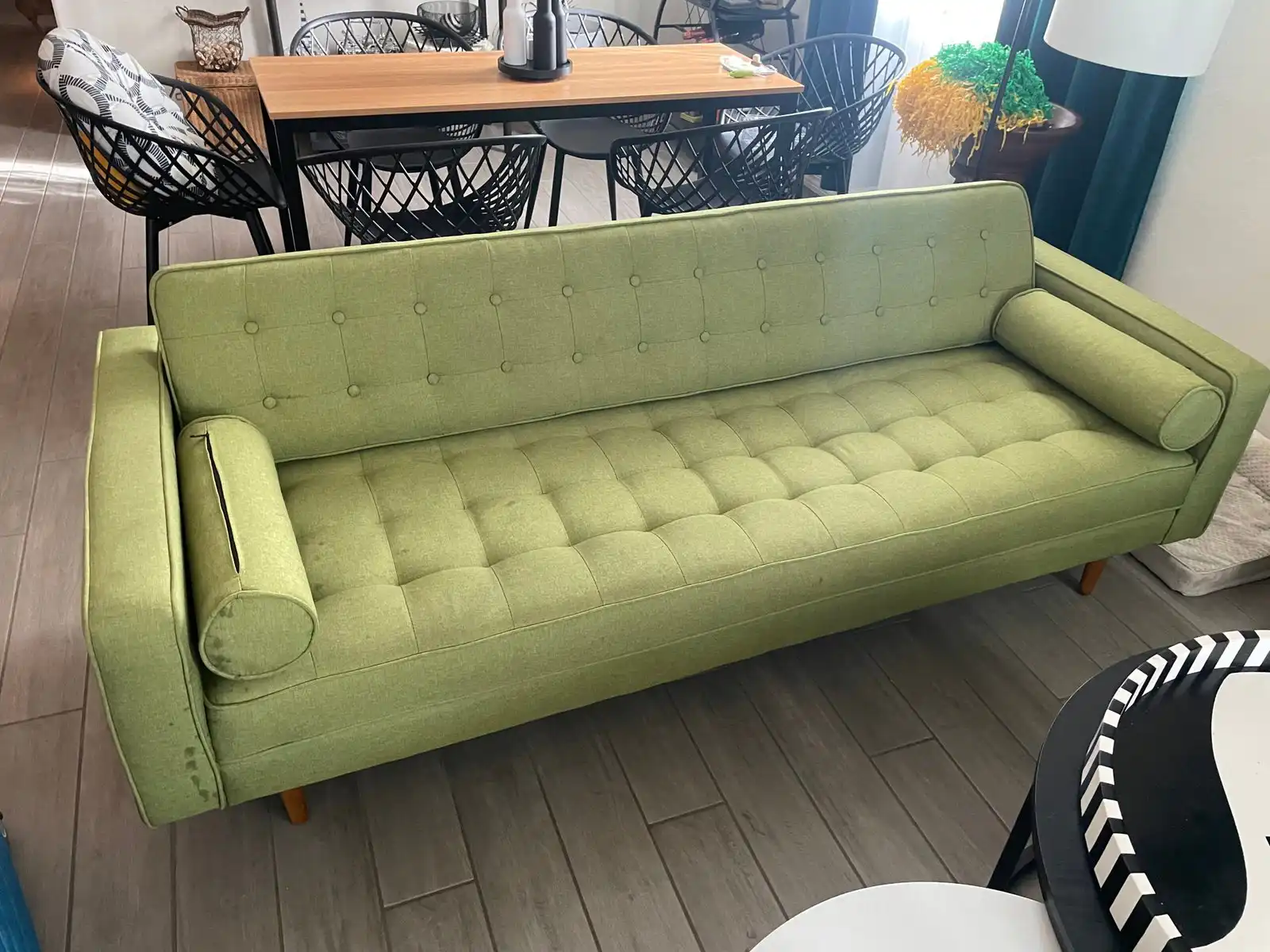
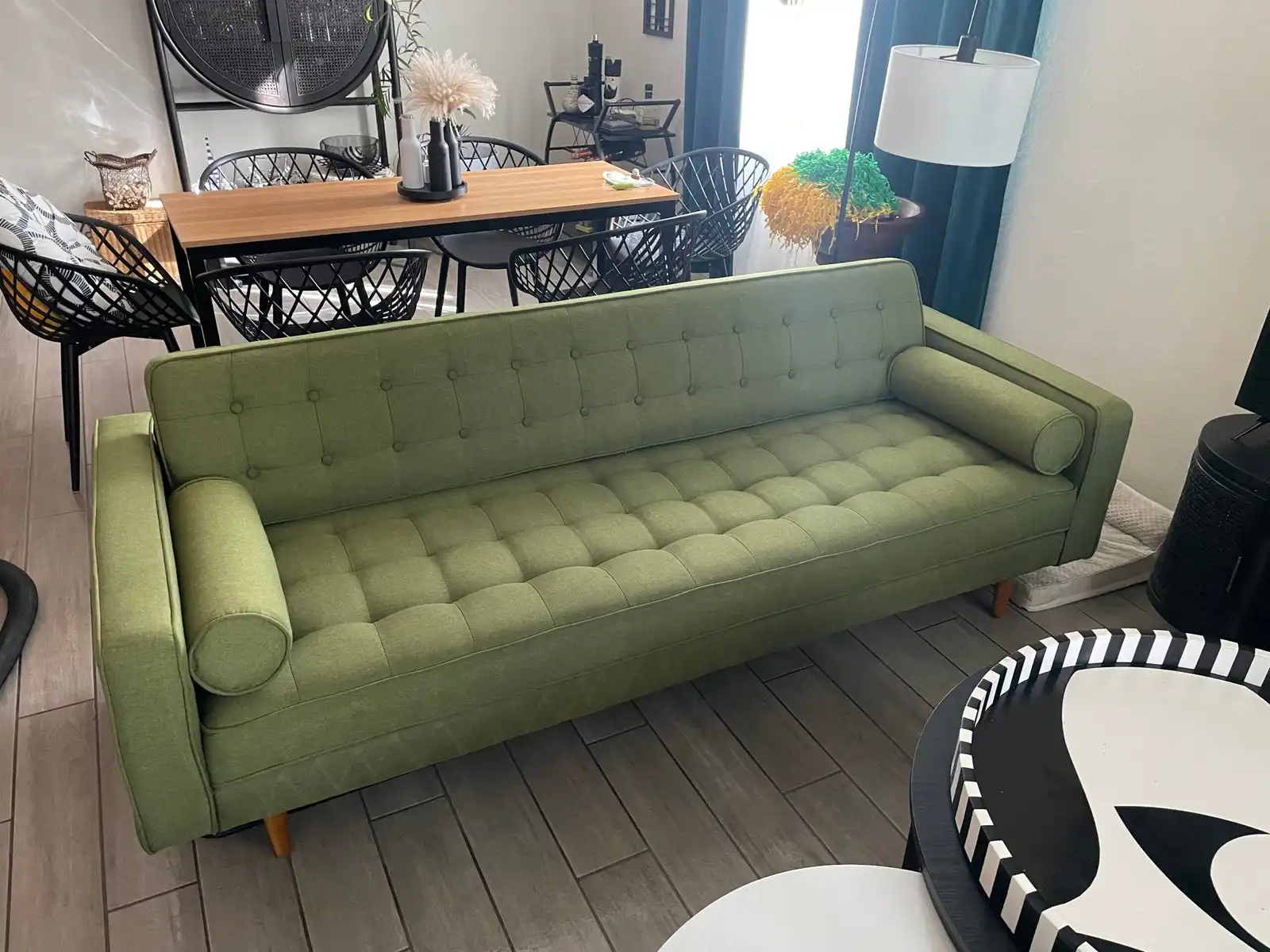
Bacterial odor is the most persistent and most commonly misdiagnosed sofa smell. Bacteria feed on organic material in the foam and produce volatile compounds. Deodorizers mask the output temporarily. Standard cleaning removes some food supply but not the colony itself, which regrows within weeks.
The fix is enzyme-based treatment that breaks down the organic material bacteria feed on, combined with antimicrobial treatment that disrupts the colony. Bacterial odor is most common in sofas that have had moisture exposure - spills, oversaturating steam cleaning, or high humidity during Surprise monsoon season.
💡 Heat as an Odor Amplifier in Surprise
Heat accelerates bacterial metabolism and makes volatile compounds more airborne. A sofa with mild bacterial odor at 72° smells more pronounced at 82-85° in summer. Surprise's sealed-house conditions from May through September mean those compounds keep recirculating rather than dispersing through open windows. Monsoon humidity in August and September can reactivate dormant bacterial colonies that were inhibited by dry conditions.
Cleaning Product Residue: When Previous Treatments Create New Problems
Products applied and not fully extracted leave residue in fabric and foam. As residue ages, it develops its own odor. Enzymatic sprays that aren't extracted continue breaking down organic material, and the byproducts can smell. Baking soda loaded with absorbed organic compounds develops a stale, sour smell in damp foam.
I assessed a sofa in Prasada where the homeowner described the smell as "musty but also kind of soapy." Multiple product applications over eight months had created a compound odor from the original source plus residue degradation. After full extraction and targeted treatment, the sofa smelled genuinely clean for the first time in over a year.
How I Diagnose and Treat Sofa Odor in Surprise
First, I ask about history. How long has the smell been present? Does it get worse in summer? Has anything been applied? Was there ever a spill or moisture exposure? History narrows down the likely sources significantly.
Second, physical assessment. Moisture meter on the foam. Staining patterns. Smell testing in different zones - cushion centers versus edges versus backing. Different sources concentrate in different locations.
Third, I identify primary and secondary sources. Most persistent odor has more than one factor. Treatment addresses all of them in the right sequence.
Fourth, targeted treatment for each source. Enzyme solution for organic material and bacterial food supply. Antimicrobial for active colonies. Thorough extraction for product residue. Controlled moisture into foam - enough for effective treatment, not so much that it creates new bacterial conditions.
Fifth, complete extraction. This is where most treatments fail - they apply chemistry but don't extract the dissolved material back out. I extract thoroughly so treated compounds actually leave the sofa.
Sixth, post-dry assessment. Deep bacterial odor or heavy organic contamination sometimes needs two treatment sessions for complete resolution.
When Sofa Odor Can't Be Fully Resolved by Cleaning
Most sofa odors respond well to proper diagnosis and treatment. The exception is foam degradation - if polyurethane foam has physically deteriorated from age, the foam itself is off-gassing. No fabric cleaning addresses this because the source is the foam material, not contamination. The only solution is foam replacement.
The press-and-release test is diagnostic: if pressing the cushion releases a musty-chemical smell that's coming unmistakably from the foam material, that's degradation. I'll identify this during assessment and tell you clearly rather than taking your money for a service that can't deliver.
Learn more about our upholstery cleaning process, or explore other cleaning services we offer in Surprise.

 (602) 429-9602