The Repeated-Contact Problem on Sectionals
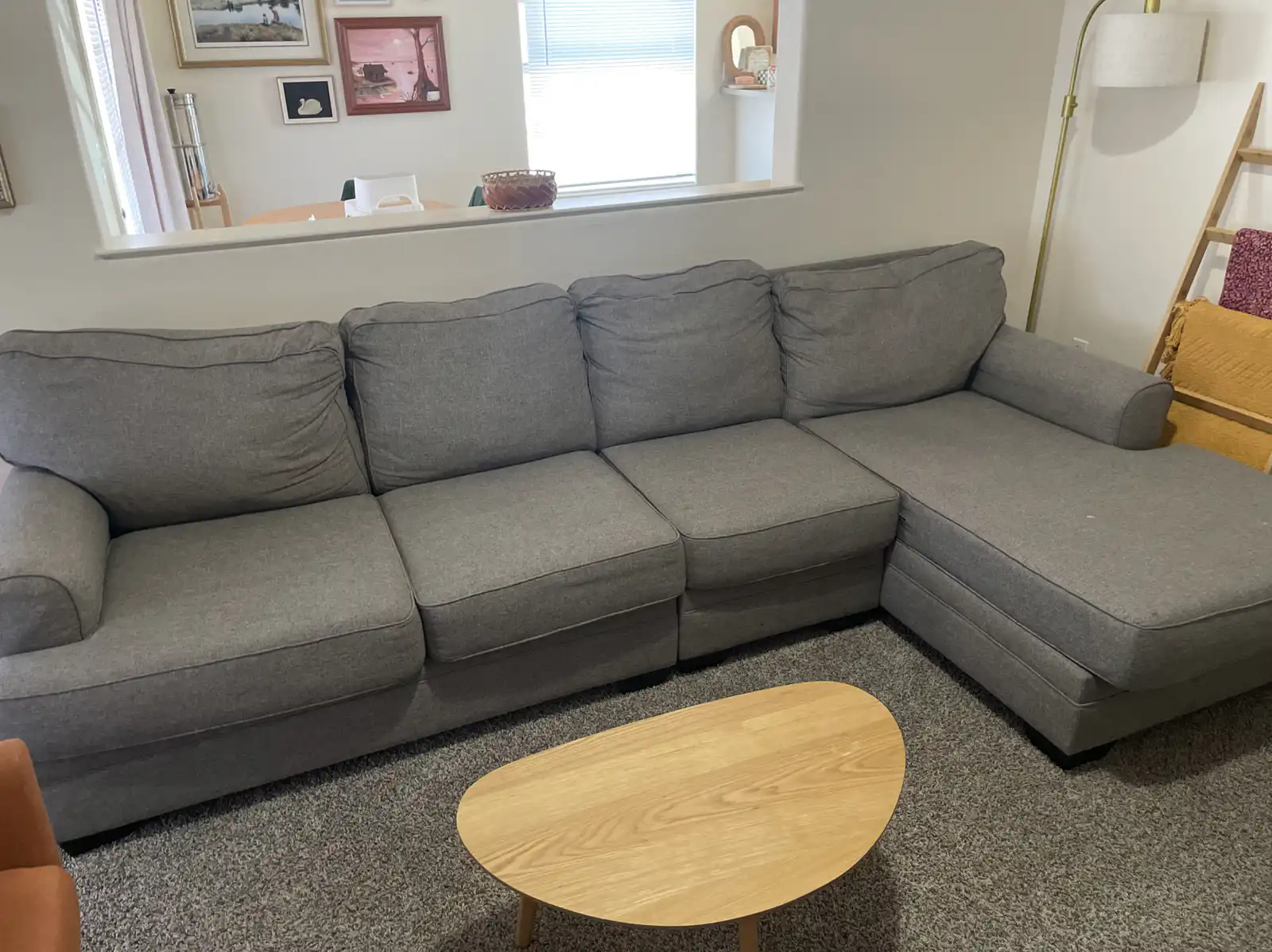
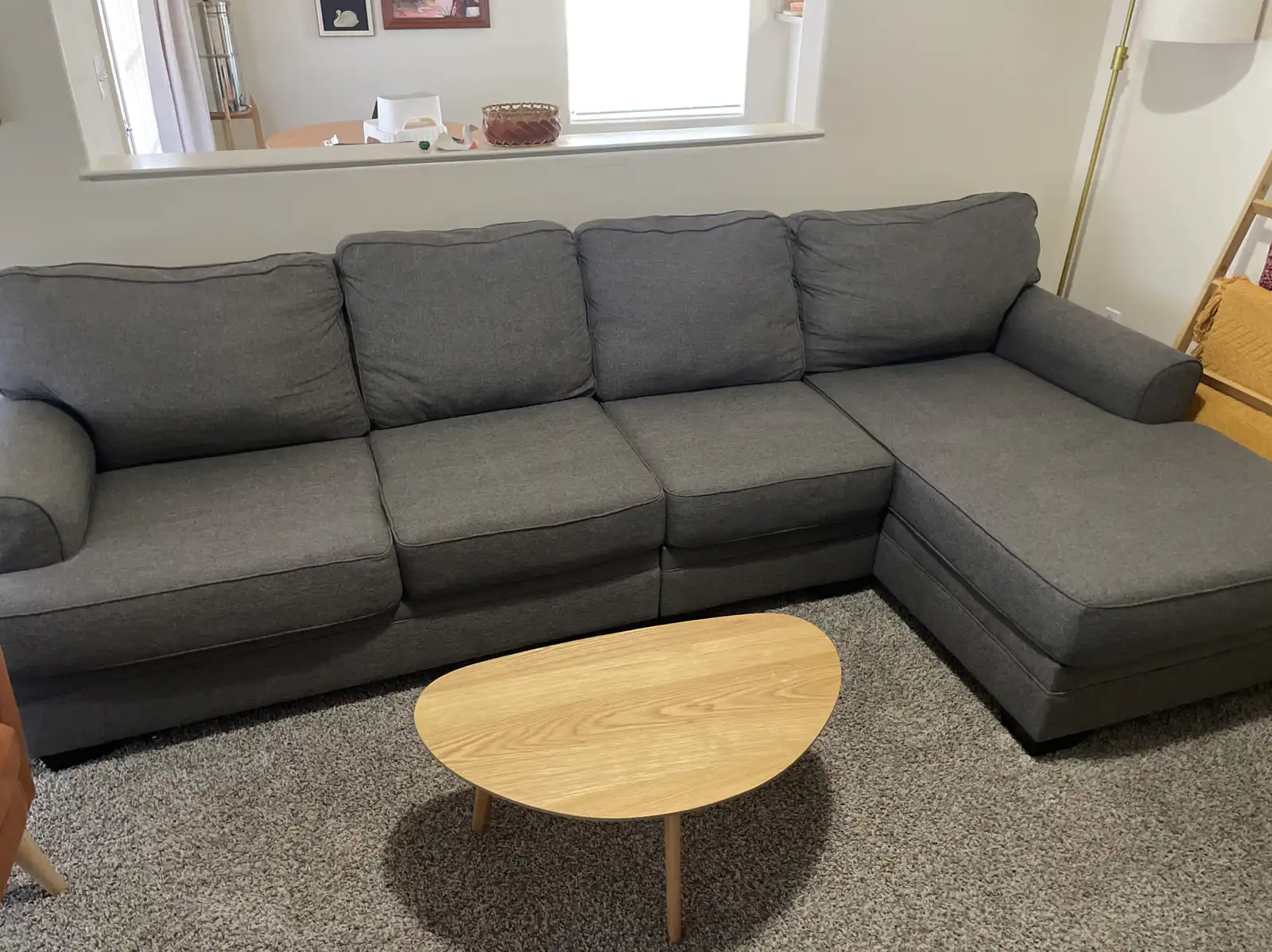
Sectionals are different from other furniture because the same spots get used over and over. In a typical Avondale family room, people have their spots. Dad sits in the corner with his arm on the left armrest. Mom sits on the chaise. The kids sprawl across the middle sections.
This repeated contact in the exact same areas accelerates oil bonding. It's not random use - it's predictable patterns that create predictable wear zones.
Compare that to a dining chair, where different people sit in different chairs at different times. Or a loveseat, where contact is more evenly distributed. Sectionals concentrate use into specific high-contact areas, and those areas show oil buildup first.
The armrests are the worst because people lean on them constantly. Bare arms in summer. Clothed arms in winter (but oils still transfer through fabric). Hands gripping to pull yourself up. Every contact adds a microscopic amount of oil.
Headrests get hit with hair oils, scalp oils, and hair products. If someone takes a nap on the sectional, that headrest is absorbing oils for hours at a time.
Chaise sections where people stretch out with bare legs - same problem. Skin contact, repeated over months, bonds oils to the fabric that vacuuming can't touch.
I see this constantly in the homes I clean in Diamond Ridge, Coldwater Ridge, or over near the Civic Center. Sectionals that are only 5-7 years old but look terrible in specific spots because oil buildup has been ignored.
The Difference Between Surface Dirt and Bonded Oils
Most people try to maintain their sectional by vacuuming regularly and wiping down the armrests with a damp cloth when they start to look dark. That makes sense for surface dirt - but it doesn't address bonded oils.
Vacuuming pulls up loose dust and debris. It can't remove oils that have chemically bonded to fibers. The oils are part of the fiber structure at that point, not sitting loose on top.
Wiping with a damp cloth just redistributes the oils. You might lighten the appearance temporarily, but you're spreading the oils around instead of removing them. Once the fabric dries, the darkening comes back - sometimes worse than before because you've added moisture that helped the oils spread.
This is why so many Avondale homeowners tell me: "I clean my armrests every week and they still look dark."
It's not that you're not cleaning - it's that surface cleaning doesn't address the actual problem, which is happening inside the fabric structure.
Why Steam Cleaning Fails on Oil-Bonded Sectionals
Steam cleaning uses hot water and suction to remove dirt. That works fine for water-based soils - mud, food spills, drink stains. But oils don't respond to water. They repel it. When you hit oil-bonded fabric with hot water, the heat can actually loosen the oils and allow them to migrate deeper into the cushion foam. The water spreads them laterally through the fabric instead of removing them. Then the fabric dries, the oils re-bond in new locations - sometimes in a larger area than before. In Avondale's dry climate, this happens fast. The fabric surface dries quickly, which locks in whatever moisture distribution pattern was created during cleaning.
The Process That Actually Removes Oil Instead of Moving It
When I clean a sectional in Avondale, the goal is to break the bond between oils and fibers, then extract those oils completely. Surface wiping doesn't do that. Steam cleaning doesn't do that. You need a process designed specifically for oil release.
I use encapsulation cleaning. The organic citrus solution I apply chemically attaches to the bonded oils. It surrounds the oil molecules and breaks their bond with the upholstery fibers. This is a chemical release, not a mechanical scrub.
Once the bond is broken, controlled agitation lifts the oils away from the fiber structure. The agitation is gentle but thorough - it reaches into the base of the fabric where oils have penetrated deepest.
As the solution dries, it forms brittle crystals around the released oils. Those crystals don't stick to the fabric - they release and can be extracted or vacuumed away. The oils leave with the crystals instead of re-bonding to the fibers.
This is the opposite of what happens with steam cleaning, where heat can actually help oils penetrate deeper into cushion foam. Encapsulation keeps everything at the fiber level and removes it before it can migrate.
The result: armrests that look lighter and feel cleaner. Headrests without visible buildup. Chaise sections that don't feel greasy. The fabric returns to a more uniform appearance because the oil layer is gone.
Armrests, Headrests, and Chaise Sections That Need Extra Attention
When I clean a sectional in Avondale, I don't treat the whole couch the same way. The center seat cushions might just need surface cleaning. But the armrests, headrests, and chaise sections - those need focused oil release treatment.
Armrests get the most aggressive treatment because that's where oil buildup is usually heaviest. Multiple passes with encapsulation solution, controlled agitation, full extraction. The goal is to break down years of bonded oils, not just lighten the appearance.
Headrests are tricky because hair products can leave sticky residue that's different from body oils alone. Gel, mousse, leave-in conditioner - all of that bonds with fabric and attracts dust. I adjust the treatment based on what I'm seeing and feeling in the fabric.
Chaise sections where people stretch out - those get treated like armrests. Heavy contact, repeated oil transfer, deep bonding. The fabric needs full release and extraction to restore uniform appearance.
This targeted approach is especially important in Avondale homes where the sectional is only a few years old. You don't need to replace the whole thing - you just need to address the oil buildup in specific high-use areas.
Preventing Permanent Darkening Before It Sets In
Once oil bonding becomes severe, it takes professional cleaning to fix. But you can slow down the buildup with proper maintenance between cleanings.
Don't use hair products that transfer easily. If someone regularly leans their head on a specific spot, whatever's in their hair is going into the fabric. Gel and mousse are the worst offenders.
Wipe armrests with a dry microfiber cloth, not a damp one. Dry wiping removes surface dust without adding moisture that helps oils spread. Do this weekly if the armrests get heavy use.
Vacuum the entire sectional regularly, including armrests and headrests. Use the upholstery attachment. This removes loose debris before it has a chance to bond with surface oils.
Schedule professional sectional cleaning every 12-18 months if you use the couch daily. Every 18-24 months if it's lighter use. The goal is to remove bonded oils before they build up to the point where the sectional looks ruined.
For most Avondale families - especially the ones in Harbor Shores, Crystal Gardens, or Lower Buckeye Road where sectionals are the main family room furniture - this maintenance schedule keeps the couch looking good for 10+ years instead of needing replacement after 5.
What Cleaning Can Fix vs What It Can't
I need to be honest about what's possible when cleaning oil-bonded sectionals.
If the fabric fibers are intact and the darkening is purely from oil buildup, professional cleaning can restore the appearance significantly. Most armrests and headrests lighten dramatically once the bonded oils are removed. The fabric looks more uniform. The greasy feel goes away.
If the fabric has been physically worn down - threads fraying, pile flattened beyond recovery, actual fiber loss - cleaning won't fix that. You're looking at structural damage, not just oil bonding. In those cases, I'll tell you honestly during the walkthrough.
If previous steam cleaning attempts drove oils deep into cushion foam, it might take multiple cleanings to fully correct. The first cleaning breaks down surface oils and starts the release process. A second cleaning 6-12 months later finishes the job.
But in the majority of Avondale sectionals I clean - especially the ones that are 5-10 years old with visible armrest darkening - the problem is oil bonding, not fiber damage. And oil bonding responds very well to encapsulation cleaning.
Learn more about our upholstery cleaning process, or explore other cleaning services we offer in Avondale.

 (602) 429-9602